
Tuberculosis Treatment in Siliguri
Tuberculosis (TB) is a serious infectious disease caused by the bacterium Mycobacterium tuberculosis. While it primarily attacks the lungs, it can also spread to other organs, such as the brain, kidneys, and spine. According to the Ministry of Health and Family Welfare (2025), the incidence rate of TB cases has dropped by nearly 17.7%, from 237 cases per 1 lakh people in 2015 to 195 in 2023, under the National Tuberculosis Elimination Programme (NTEP) in India.
The role of renowned pulmonologists, such as Dr. Abhishek Bali, who offers the best tuberculosis treatment in Siliguri, has been significant in terms of ensuring macro-level national policies successfully translate into high cure rates.
14 +
Years of Hospital affiliations Experience
5K +
Number of patient
1000+
Successful Recoveries
Academic Achievement: He performed the first-ever Medical Pleuroscopy in North Bengal and Sikkim, and he is currently the Head of the Pulmonology Department at Maxwell Hospital & Research Centre.
Why Choose Dr. Abhishek Bali For Tuberculosis Treatment?
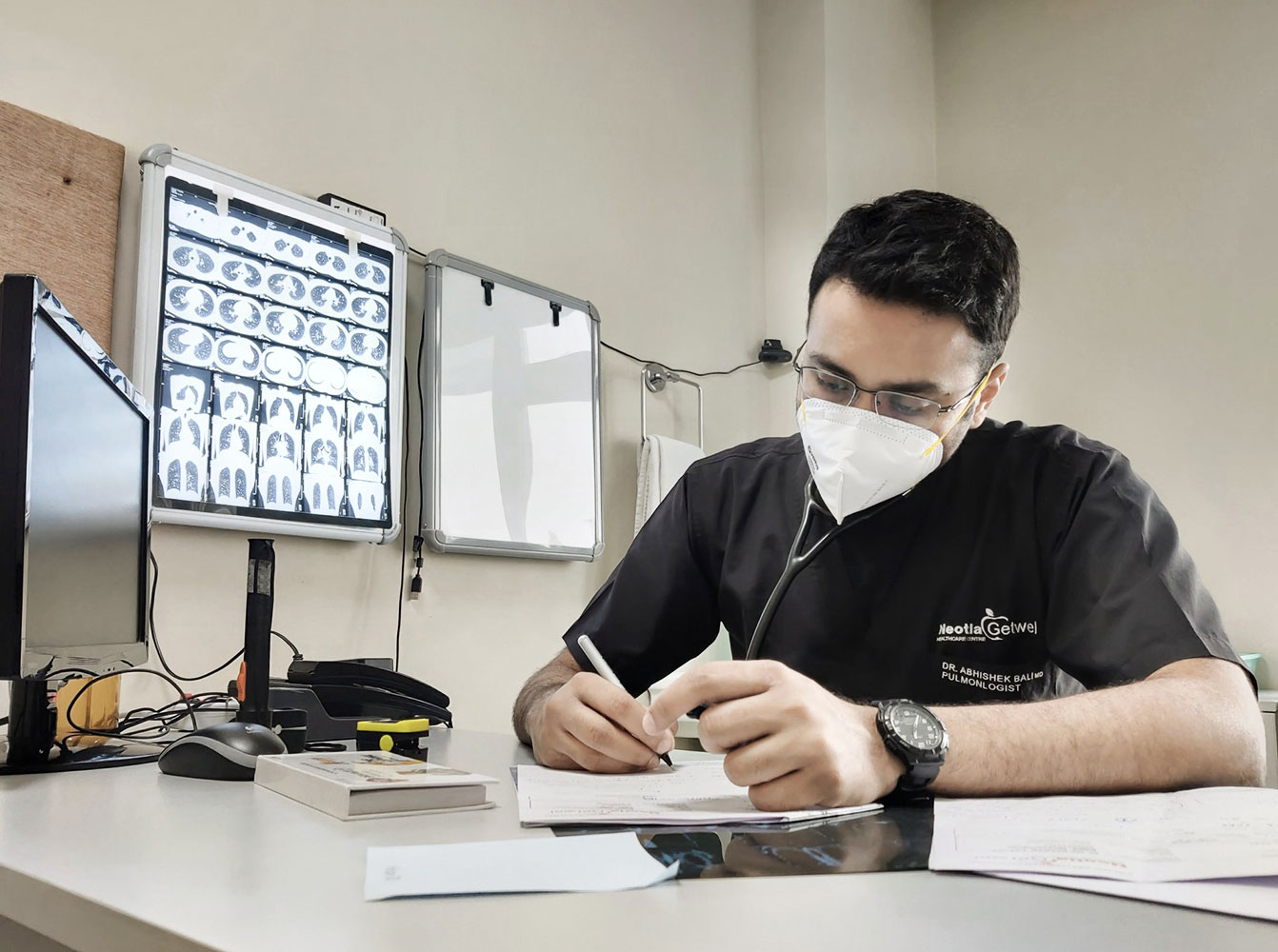
As a leading TB specialist in Siliguri, Dr. Abhishek Bali combines advanced academic training in respiratory medicine (MBBS, MD) with intensive fellowships in interventional pulmonology. In addition, he focuses on bridging the gap between national elimination targets and individualized patient recovery.
Here are the top reasons to choose him for TB treatment:
Critical Care Specialization
He specializes in managing high-risk TB emergencies, such as severe hemoptysis (coughing blood).
Advanced Training
He has received advanced training in Interventional Pulmonology, EBUS (Endobronchial Ultrasound), and Medical Pleuroscopy.
Patient-Centric Care
He focuses on long-term therapy so that the risk of relapses and drug mutations is significantly reduced.
14+ Years of Experience
He has been associated with pulmonology care since 2012 after completing his MBBS. His extensive qualification of MD in Respiratory Medicine and simultaneous practice make him a highly trusted pulmonologist.
Reputed Hospital Affiliations
He leads the pulmonology department at Maxwell Hospital & Research Centre, which is a top multi-specialty hospital in Siliguri with advanced emergency care and world-class diagnostic facilities.
What Is Tuberculosis (TB)?
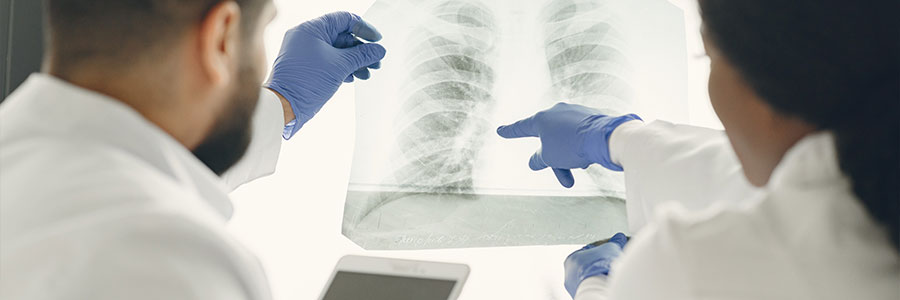
Tuberculosis (TB) is a contagious bacterial infection caused by Mycobacterium tuberculosis. It primarily affects the lungs, but in some cases, it can also spread to other parts of the body, including the brain, spine, kidneys, and lymph nodes. TB develops when the bacteria enter the body and begin multiplying, causing inflammation and damage to the affected tissues.
There are two main forms of tuberculosis: latent TB and active TB. In latent TB, the bacteria remain inactive in the body and do not cause symptoms. In active TB, the bacteria multiply and cause symptoms such as persistent cough, fever, weight loss, and fatigue. Early diagnosis and timely treatment are essential to prevent complications and reduce the spread of infection. Dr. Abhishek Bali offers advanced TB diagnosis in Siliguri with a focus on accurate diagnosis, effective therapy, and long-term recovery.
Causes and Risk Factors of Tuberculosis
Tuberculosis spreads through the air when a person with active TB coughs, sneezes, speaks, or sings. However, not everyone exposed to TB bacteria becomes infected. Certain health conditions, lifestyle habits, and environmental factors can increase the risk of developing active tuberculosis.
Here are some of the most common causes and risk factors of tuberculosis:

Weakened Immune System
People with conditions such as HIV/AIDS, diabetes, chronic kidney disease, or cancer have a higher risk of developing active TB because their immune system is less able to fight infections.
Smoking
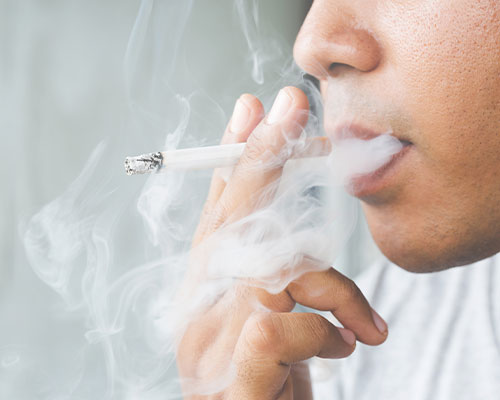
Tobacco use damages the lungs and weakens the body's natural defense mechanisms, increasing the likelihood of TB infection and complications.

Excessive Alcohol Consumption
Heavy alcohol use can impair immune function and make it harder for the body to control TB bacteria.

Malnutrition
Poor nutrition and low body weight reduce the body's ability to fight infections, making individuals more vulnerable to tuberculosis.
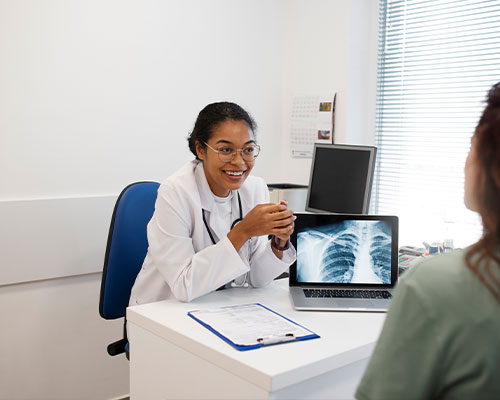
Close Contact with TB Patients
Living with or spending long periods around someone with untreated active TB increases the risk of exposure and infection.

Overcrowded Living Conditions
Crowded and poorly ventilated environments allow TB bacteria to spread more easily from person to person.

Immunosuppressive Medications
Certain medications used to treat autoimmune diseases or prevent organ transplant rejection can weaken the immune system and increase TB risk.

Advancing Age
Older adults may have a higher risk of developing active TB due to age-related weakening of the immune system.
Identifying these risk factors early and consulting a tuberculosis doctor in Siliguri can help with timely diagnosis, effective treatment, and prevention of serious complications.
How Does Tuberculosis Spread?
Knowing the key contributing factors and risk factors of catching Tuberculosis can help with early diagnosis, preventing the spread of infection, and targeting preventive treatment for vulnerable populations.
Let us first know how TB spreads:
Airborne Droplets
The bacteria spreads through the air when an infected person with TB coughs, sneezes, speaks, or spits.
Inhalation
A healthy individual can contract the infection by breathing in microscopic droplets containing TB bacteria.
Prolonged Contact
For TB bacteria to be transmitted, it takes close, repeated, or prolonged indoor exposure to an untreated individual.

Common Symptoms of Tuberculosis
TB bacteria slow down the body’s systems, which leads to symptoms developing gradually over the course of a few weeks. As part of providing TB treatment in Siliguri, Dr, Abhishek Bali emphasizes educating the people about the common symptoms that must not be ignored.
Here are some of the common symptoms that require immediate evaluation from a specialist:
Chronic Cough
A persistent cough that lasts more than 21 days without any improvement despite medications.
Dyspnea
Experiencing shortness of breath during mild physical activities.
Chest Pain
Experiencing sharp chest pain while breathing in or coughing.
Blood in Sputum
Coughing up blood or brown colored sputum.
Fever
Low-grade fever that peaks in the evenings.
Unexplained Weight Loss
Sudden and unintentional loss of body weight.
Frequent Chills
Frequent episodes of shivering without cold weather exposure.
How Is Tuberculosis Diagnosed?
Since TB bacteria tend to hide in the body without creating any distinct symptoms, TB treatment specialists, such as Dr. Abhishek Bali, use specific tools to detect both latent and active infections. Here are the different types of diagnostic procedures used by him:
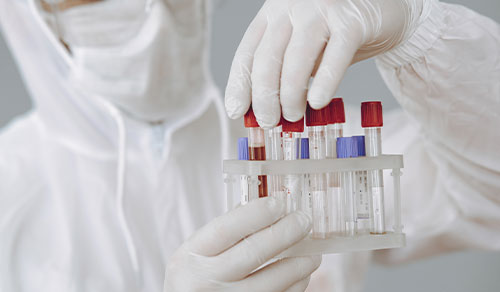
Molecular Tests
Advanced DNA tests, such as CBNAAT or GeneXpert, help identify if the strain is resistant to standard medications. In addition, these tests help detect the genetic material of the bacteria.
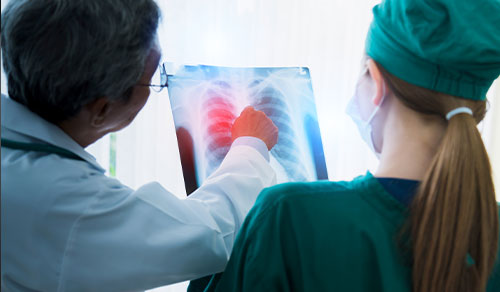
Chest X-Ray or CT Scan
This is based on looking for structural changes in the lungs, such as scarring or fluid accumulation.
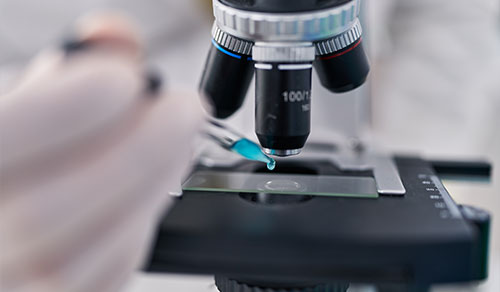
Sputum Smear Microscopy
This test involves examining the coughed-up mucus under a microscope to spot the bacteria.
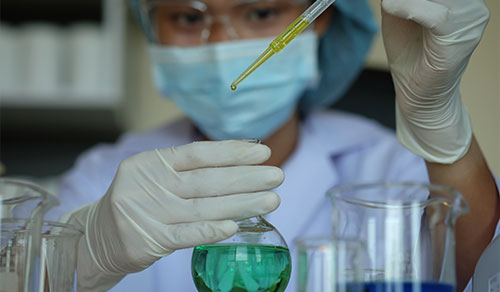
Mycobacterial Culture
A sample of the sputum is incubated in the lab to grow the bacteria, which is considered the most accurate method.
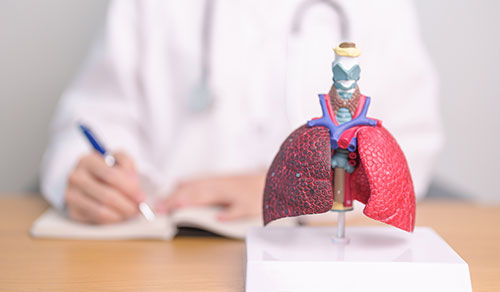
Pleural Fluid Analysis
Fluid is obtained from the lining of the lungs to confirm infection by chemical and microscopic evaluation.

Interferon-Gamma Release Assays (IGRA)
This is a single-visit blood test that measures how the immune system reacts to TB bacteria.
Testimonials

Pranesh BoseSiliguri
Somnath Barui, Matigara
Riya Dewan, Siliguri

Frequently Asked Questions
- Q. How long does Tuberculosis treatment take? Answer: Treatment for standard TB takes around 6 to 9 months based on using first-line antibiotics. On the other hand, treatment for drug-resistant TB takes around 9 to 24 months to fully cure.
- Q. Is it dangerous to stop TB medications early? Answer: Yes, stopping TB medication early can make the infection return much stronger, leading to Multi-Drug Resistant TB (MDR-TB), which is much harder to treat.
- Q. Does the BCG Vaccine protect against TB for life? Answer: The BCG vaccine effectively protects infants and young children against severe forms of TB, like TB meningitis. However, the effect of the vaccine diminishes with the passage of time, which means adults can contract tuberculosis later in life.
- Q. How to contact Dr. Abhishek Bali for TB treatment in Siliguri? Answer: You can either call +91 98008 22187 (Dr. Abhishek Bali’s appointment booking number) or 0353 352 1700 (Maxwell Hospital’s dedicated appointment booking number). For emergencies, you can call Maxwell Hospital’s dedicated emergency number 0353 352 1721.
- Q. Is latent TB dangerous? Answer: Latent TB is not dangerous for your current health. However, it poses a long-term risk because the dormant bacteria can wake up and become active TB.
- Q. Can tuberculosis spread through sharing food? Answer: No. Tuberculosis spreads through airborne droplets released when a person with active TB coughs, sneezes, or speaks.
- Q. Can TB affect organs other than the lungs? Answer: Yes. Tuberculosis can affect the brain, kidneys, lymph nodes, bones, spine, and other organs.
Online Enquiry
Dr. Abhishek Bali
MBBS, MD (Respiratory Medicine)
Consultant- Pulmonary Critical Care & Sleep Medicine