
Sleep Apnea Treatment in Siliguri
Sleep apnea is a potentially life-threatening disorder in which an individual’s breathing stops and starts repeatedly during sleep. According to a study conducted by AIIMS in New Delhi, an estimated 104 million working-age Indian population suffers from Obstructive Sleep Apnea. This massive number highlights the critical need for combating such a disorder. Dr. Abhishek Bali, a leading pulmonologist and sleep disorder specialist, offers the best sleep apnea treatment in Siliguri with state-of-the-art diagnostic evaluations, advanced sleep studies, and personalized respiratory care.
14 +
Years of Hospital affiliations Experience
5K +
Number of patient
1000+
Successful Recoveries
Academic Achievement: He performed the first-ever Medical Pleuroscopy in North Bengal and Sikkim, and he is currently the Head of the Pulmonology Department at Maxwell Hospital & Research Centre.
Why Choose Dr. Abhishek Bali For Sleep Apnea Treatment?
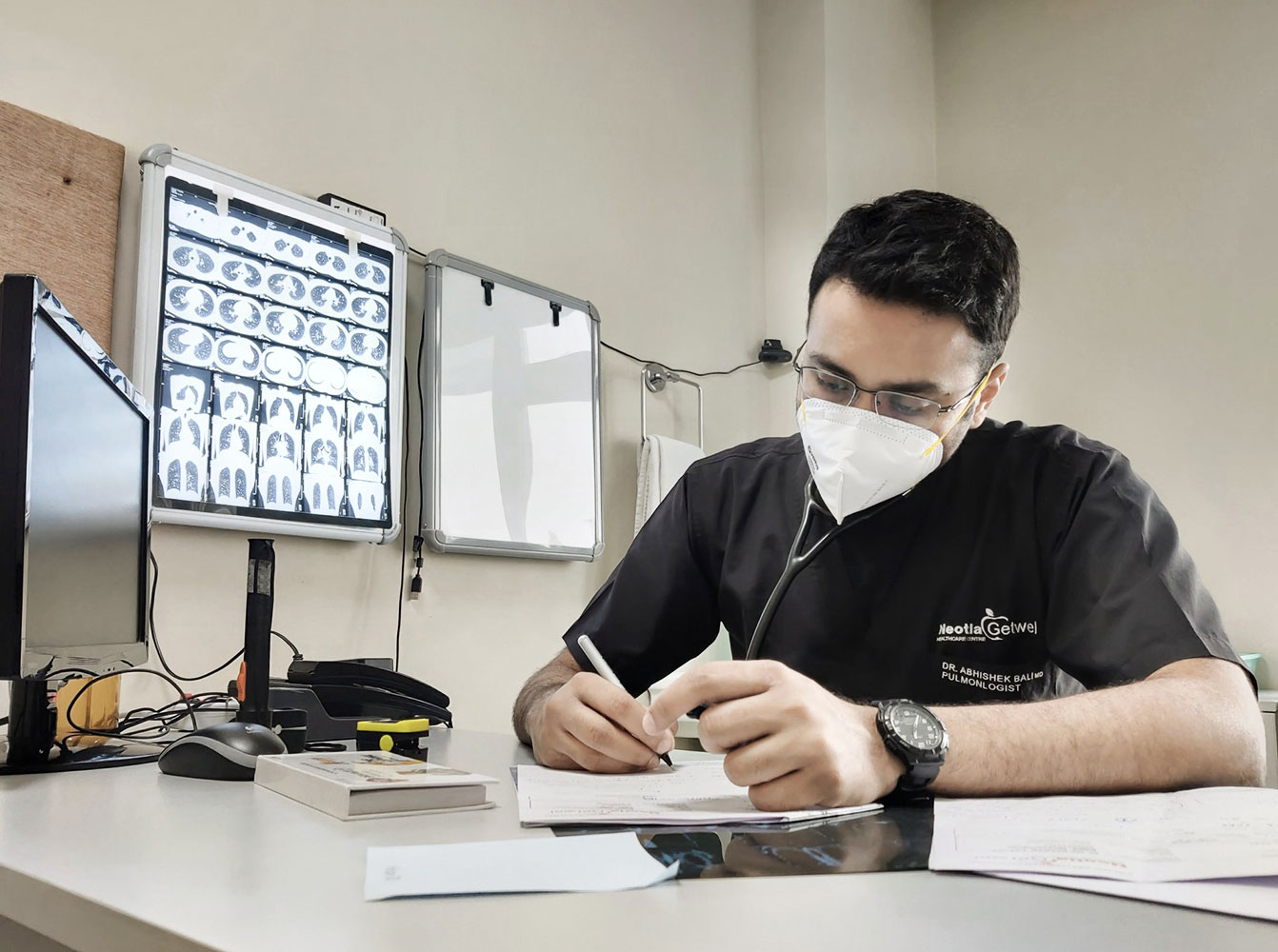
Since sleep apnea can impact your cardiovascular and metabolic health, it is important to choose the right specialist. Dr. Abhishek Bali is a renowned sleep apnea doctor in Siliguri who combines cutting-edge diagnostic technology with a patient-centric approach to deliver a sustainable sleep treatment plan.
Here are the top reasons to choose him:
14+ Years of Experience
He has been associated with pulmonology care since 2012 after completing his MBBS. His extensive qualification of MD in Respiratory Medicine and simultaneous practice make him a highly trusted pulmonologist.
Reputed Hospital Affiliations
He leads the pulmonology department at Maxwell Hospital & Research Centre, which is a top multi-specialty hospital in Siliguri with advanced emergency care and world-class diagnostic facilities.
Personalized CPAP Calibration
He provides hands-on mask fitting and pressure titration to ensure maximum comfort during therapy.
Comprehensive Respiratory Treatment
In addition to Continuous Positive Airway Pressure (CPAP), he provides a personalized combination of airflow devices, oral appliances, and targeted medications to improve respiratory health and sleep.
World-Class Diagnostic Infrastructure
Utilizes state-of-the-art overnight polysomnography (sleep studies) to accurately map your oxygen dips and breathing pauses.
What Is Sleep Apnea?
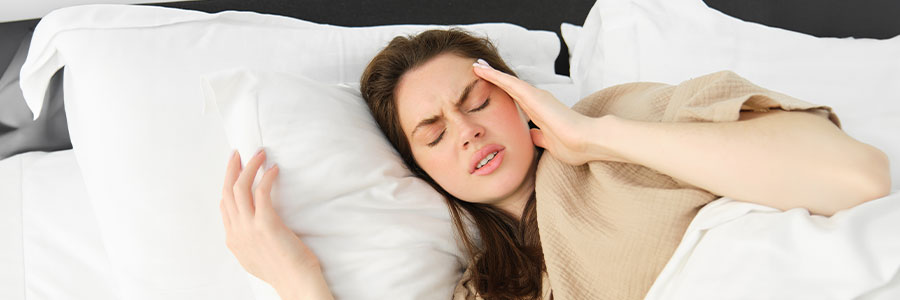
Sleep apnea is a common sleep disorder in which breathing repeatedly stops and starts during sleep. These pauses in breathing can last for several seconds and may occur multiple times throughout the night, reducing the amount of oxygen reaching the body. As a result, individuals often experience poor-quality sleep even if they spend enough hours in bed.
The most common type is Obstructive Sleep Apnea (OSA), which occurs when the muscles in the back of the throat relax excessively and block the airway during sleep. If left untreated, sleep apnea can increase the risk of high blood pressure, heart disease, stroke, diabetes, and other serious health conditions. Dr. Abhishek Bali provides obstructive sleep apnea treatment with a focus on accurate diagnosis, effective therapy, and long-term health improvement.
Causes and Risk Factors of Sleep Apnea
Sleep apnea develops when the airway becomes partially or completely blocked during sleep. Several lifestyle, anatomical, and genetic factors can increase the likelihood of developing this condition. Understanding these risk factors can help in seeking timely diagnosis and treatment.
Here are some of the most common causes and risk factors of sleep apnea:

Obesity
Excess body weight, especially around the neck and upper airway, can put pressure on the breathing passages and increase the risk of airway blockage during sleep.
Large Neck Circumference
Individuals with a thicker neck often have narrower airways, making them more susceptible to breathing interruptions while sleeping.
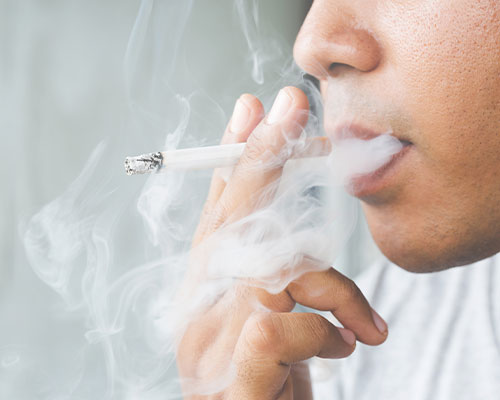
Smoking
Tobacco use can cause inflammation and swelling of the upper airway tissues, increasing the chances of airway obstruction.

Alcohol Consumption
Drinking alcohol, particularly before bedtime, relaxes the throat muscles and makes airway collapse more likely during sleep.
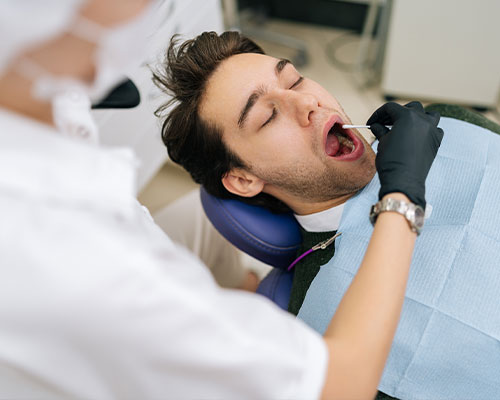
Family History
People with close family members who have sleep apnea may have a higher risk of developing the condition due to inherited anatomical traits.
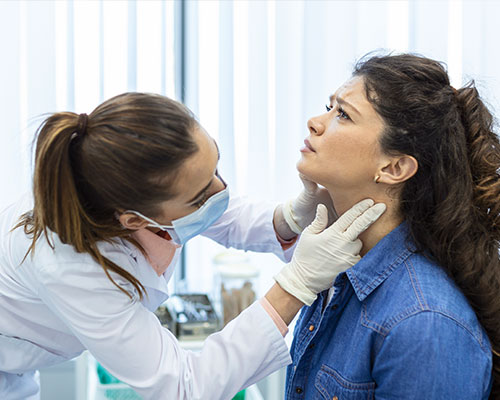
Enlarged Tonsils
Large tonsils can narrow the airway and are a common cause of sleep apnea, especially in children and young adults.
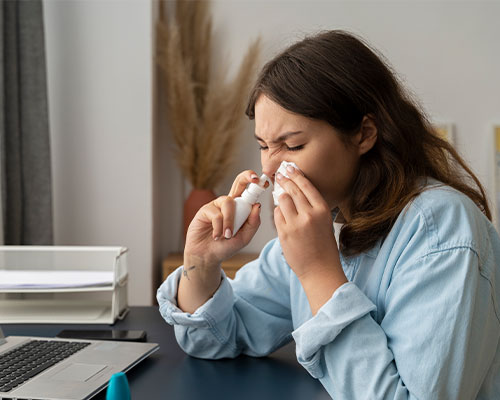
Nasal Blockage
Chronic nasal congestion, a deviated nasal septum, or other nasal conditions can make breathing difficult and contribute to sleep apnea.

Advancing Age
The risk of sleep apnea tends to increase with age as the muscles supporting the airway gradually lose strength and elasticity.
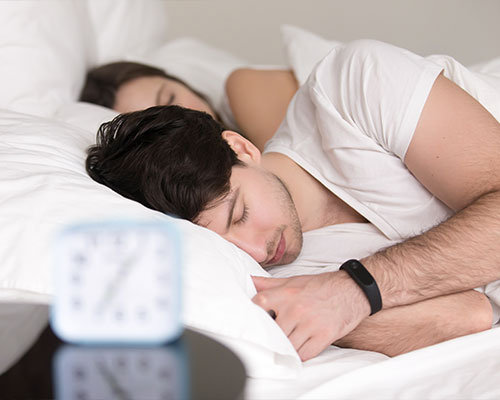
Male Gender
Men are generally more likely to develop obstructive sleep apnea than women, although the risk in women increases after menopause.

Sedative Medication Use
The use of sedatives, sleeping pills, or certain muscle-relaxing medications can relax the throat muscles and increase the likelihood of airway obstruction during sleep.
Identifying these risk factors early and consulting a Sleep disorder specialist in Siliguri can help prevent complications and improve overall sleep quality and respiratory health.
Common Symptoms of Sleep Apnea
Obstructive Sleep Apnea (OSA) often goes unnoticed because the signs and symptoms appear when an individual is asleep. However, recognizing the early symptoms is crucial as underlying sleep apnea causes severe stress on your heart and respiratory system. Here are some of the most common symptoms of sleep apnea that you must not ignore:
Loud & Chronic Snoring
This is caused by air forcing its way through a narrowed or partially collapsed upper airway passage.
Gasping or Choking Overnight
Sudden awakenings at night accompanied by a choking, coughing, or snorting sensation.
Waking with a Dry Mouth
People with sleep apnea often breathe heavily through their mouth, which leads to a sore throat or dry mouth upon waking.
Observed Breathing Pauses
Bed partners are the best person to notice when an individual completely stops breathing for several seconds during sleep.
Nocturia
This symptom is based on waking up multiple times throughout the night to urinate.
Frequent Morning Headaches
Poor overnight oxygenation and carbon dioxide buildup in the bloodstream tend to cause morning headaches.

How Is Sleep Apnea Diagnosed?
As a leading sleep disorder specialist in Siliguri, Dr. Abhishek Bali uses systematic medical evaluation to accurately monitor your breathing patterns and oxygen levels overnight. Since you cannot observe yourself during sleep, a specialist intervention is required to identify the exact type and severity of the condition. Here is a systematic diagnostic process used by Dr. Bali to identify sleep apnea:

Initial Consultation
He starts the diagnosis by conducting a detailed assessment of medical history, body mass index (BMI), neck circumference, and reported symptoms.

Physical Examination
This is based on a thorough evaluation of the upper respiratory tract to check for potential narrowed throat, enlarged tonsils, a large tongue, or a recessed jawline.
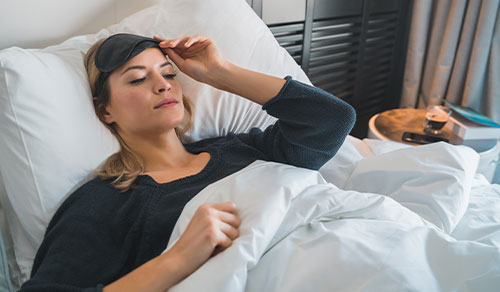
Overnight Polysomnography
This is the ultimate diagnostic test, which is also known as a sleep study. Polysomnography uses advanced sensors to track your physiological data while you are asleep.
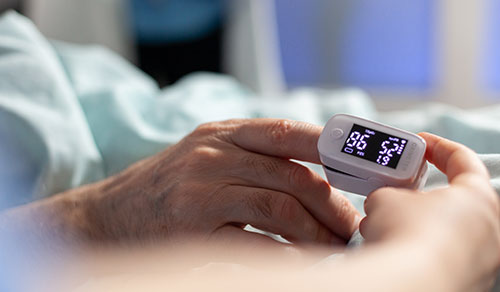
Home Sleep Apnea Testing
This testing is done for high-risk patients by making them wear a portable, simplified testing device to monitor breathing and oxygen levels during sleep at home.
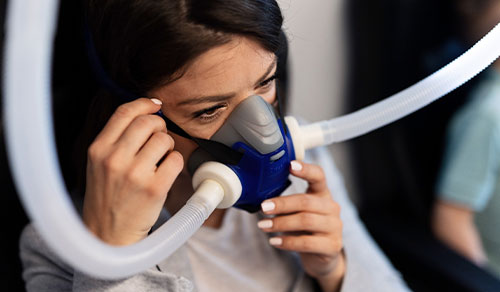
Respiratory Event Tracking
This is based on using specialized equipment, which continuously measures the exact number of times your breathing stops or becomes shallow per hour.

Brainwave & Muscle Activity Analysis
EMG and EEG sensors are used to monitor our sleep stages, heart rhythm, eye movements, and chest wall movements during sleep.
Step-By-Step Treatment Approach
Dr. Abhishek Bali follows a structured, evidence-based treatment approach that is tailored to the severity of your sleep apnea. This approach ensures that patients undergo accurate diagnosis, along with achieving optimal health recovery. Here is a step-by-step treatment approach used by him for sleep apnea:
Diagnostic Confirmation
A comprehensive health evaluation and an overnight sleep study (polysomnography) are performed to calculate the exact Apnea-Hypopnea Index (AHI) and baseline oxygen levels.
Risk Stratification & Scoring
He reviews your sleep data to classify your condition as mild, moderate, or severe. In addition, he maps the cardiovascular risk factors associated with your condition.
Personalized Device Selection
If your sleep apnea category is moderate-to-severe, he provides the right airway pressure device, such as standard CPAP, a smart Auto-CPAP, or a BiPAP machine.
Mask Fitting & Titration
He offers a hands-on titration session for you so that you can find the most comfortable mask interface.
Implementing Targeted Lifestyle Modification
He designs a personalized wellness plan by focusing on medically supervised weight management, smoking cessation, and strict avoidance of alcohol before bedtime.
Surgical Referral (If Required)
For cases where massively enlarged tonsils, a deviated nasal septum, or a recessed jaw are causing structural blockages, he refers to a specialized surgeon with his facility at Maxwell Hospital & Research Centre to remove the obstruction.
Long-Term Monitoring
He tracks your progress through regular follow-up consultations. In addition, he checks mask leaks, usage hours, and treatment efficacy during follow-ups.
Testimonials

Subhodip DasguptaSiliguri
Mithun Baruah, Guwahati
Ashmita Pradhan, Siliguri

Frequently Asked Questions
- Q. Can obstructive sleep apnea be permanently cured? Answer: Permanent relief from obstructive sleep apnea can be achieved if underlying structural causes are reversed through major weight loss or corrective airway surgery.
- Q. Is an overnight sleep study painful? Answer: No, an overnight sleep study (Polysomnography) is a non-invasive, painless diagnostic evaluation. Small, surface-level sensors are placed on the skin to track natural breathing, heart rhythm, and sleep stages.
- Q. Can lifestyle modifications alone treat my sleep apnea? Answer: For mild sleep apnea, lifestyle modifications, such as targeted weight loss, quitting smoking, and sleeping strictly on your side, can lead to significant improvements. For moderate-to-severe cases, device therapies are required along with lifestyle modifications.
- Q. What will happen if my sleep apnea is left untreated? Answer: Ignoring symptoms of sleep apnea can force your blood oxygen levels to drop repeatedly overnight. This increases the risk of hypertension, heart attack, stroke, and type 2 diabetes.
- Q. Is loud snoring always a sign of sleep apnea? Answer: Not always. However, persistent loud snoring accompanied by breathing pauses or daytime fatigue should be evaluated by a sleep specialist.
- Q. How long does CPAP therapy take to show results? Answer: Many patients notice improved sleep quality and reduced daytime fatigue within a few days to weeks of consistent CPAP use.
- Q. Where can receive the best sleep apnea treatment in Siliguri? Answer: You can consult Dr. Abhishek Bali, lead pulmonology consultant at Maxwell Hospital, to receive a personalized sleep apnea treatment in Siliguri.
Online Enquiry
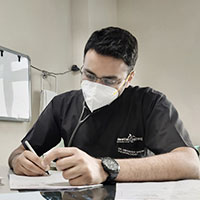
Dr. Abhishek Bali
MBBS, MD (Respiratory Medicine)
Consultant- Pulmonary Critical Care & Sleep Medicine