
Respiratory Failure Specialist in Siliguri Offering Advanced Treatment
Respiratory health refers to the effective functioning of the airways, blood vessels, and lungs to deliver oxygen into the bloodstream and remove carbon dioxide. According to the International Primary Care Respiratory Group (2017), India contributes to around 15.69% of Global Chronic Respiratory Diseases. In addition, around 30% of all global deaths due to Chronic Respiratory Disease occur in India. To combat this health crisis locally, Dr. Abhishek Bali, a leading respiratory failure specialist in Siliguri, offers timely, state-of-the-art care for severe respiratory conditions.
14 +
Years of Hospital affiliations Experience
5K +
Number of patient
1000+
Successful Recoveries
Academic Achievement: He performed the first-ever Medical Pleuroscopy in North Bengal and Sikkim, and he is currently the Head of the Pulmonology Department at Maxwell Hospital & Research Centre.
Why Choose Dr. Abhishek Bali For Respiratory Failure Treatment?
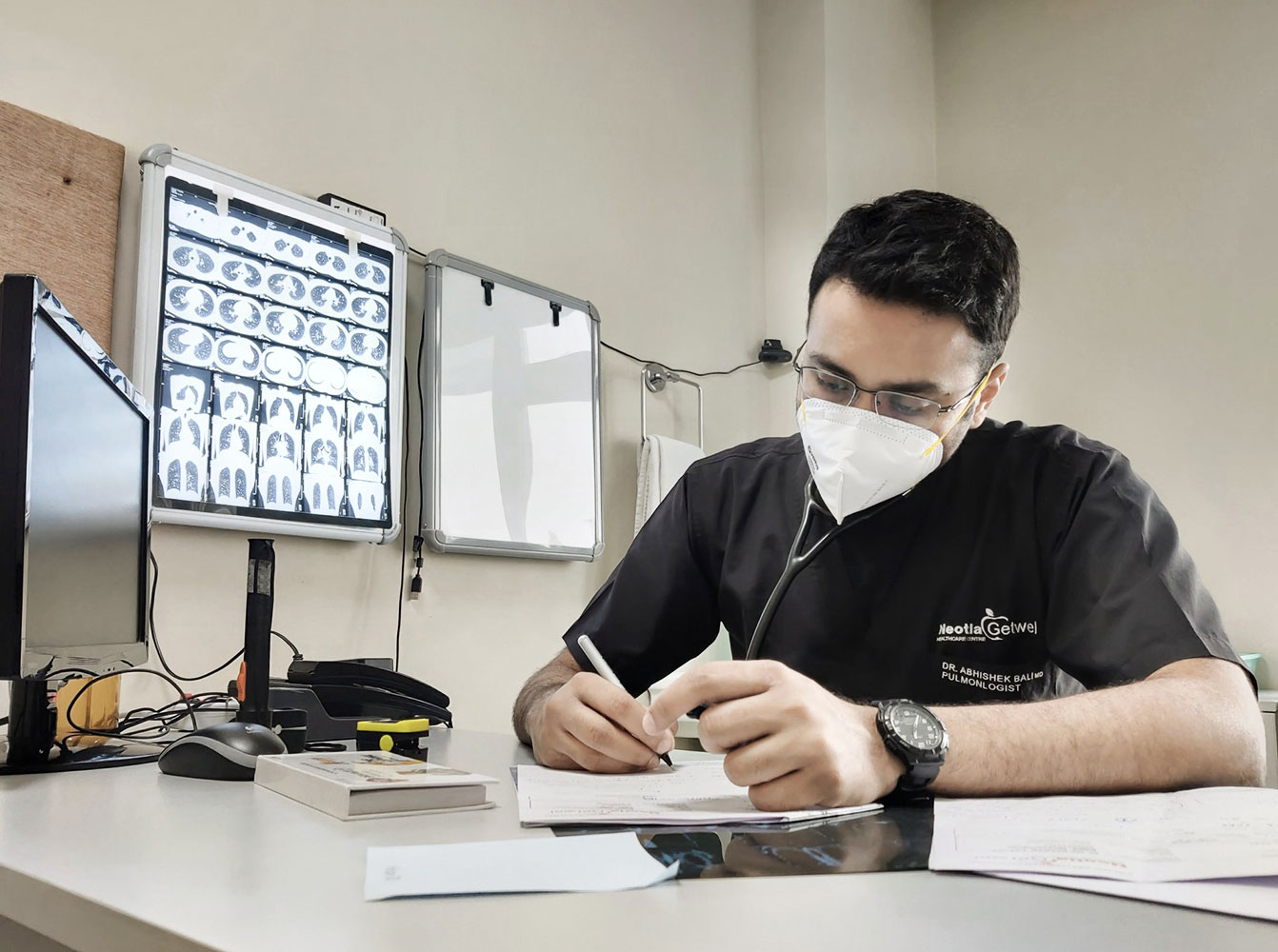
Dr. Abhishek Bali (MBBS, MD in Respiratory Medicine) is a renowned pulmonologist and critical care specialist in Siliguri who specializes in managing acute and chronic respiratory failure. Since patients dealing with respiratory failure require immediate, highly precise medical intervention, choosing a highly experienced specialist holds the key.
Here are the top reasons to choose Dr. Bali:
State-Of-The-Art Infrastructure
He is the lead pulmonology consultant at Maxwell Hospital, which has modern diagnostic facilities and advanced emergency facilities.
Expertise in Minimally Invasive Procedures
He uses minimally invasive diagnostic and therapeutic procedures, which promote faster recovery and reduce the need for open surgeries.
Excellent Academic Background
He has completed his MBBS and MD in Respiratory Medicine from A.J. Institute of Medical Sciences & Research Centre, Mangalore, Karnataka. He has undergone specialized training in Medical Pleuroscopy, Chest Ultrasound, Endobronchial Ultrasound (EBUS), and Interventional Pulmonology from CMC Vellore, Tamil Nadu.
Patient-Centric Care
He focuses on diagnosing complex airway diseases and respiratory failure, which in turn results in highly targeted treatment plans.
Pulmonary Critical Care Specialization
He possesses deep expertise in both outpatient pulmonary care and intensive care management.
Causes of Respiratory Failure
Respiratory failure occurs when the lungs cannot properly exchange gases in the bloodstream, which leads to a reduction in oxygen and an increase in carbon dioxide. Knowing the common causes of respiratory failure can help you understand risk factors and seek timely medical intervention.
Here are some of the common causes of respiratory failure:
Pneumonia
This condition fills the air sacs of the lungs with pus and fluid.
Chronic Obstructive Pulmonary Disease (COPD)
COPD causes long-term damage to the lungs that blocks airflow and destroys air sacs.
Severe Asthma
This causes severe inflammation and swelling of the airways that hamper normal ventilation.
Pulmonary Embolism
This is a blood clot that blocks the main artery to the lungs, which hampers the process of oxygen supply to the blood.
Acute Respiratory Distress Syndrome (ARDS)
This condition is based on sudden fluid buildup in the lungs that is generally triggered by severe trauma, sepsis, or major infections.
Respiratory failure is categorized into two types:
- Hypoxemic: Oxygen levels in the blood are too low.
- Hypercapnic: Carbon dioxide levels are too high.
Symptoms of Respiratory Failure
The symptoms of respiratory failure depend on the underlying condition triggering it. As the best respiratory failure specialist in Siliguri, Dr. Abhishek Bali emphasizes symptom awareness as well, so that patients can seek prompt intervention during warning signs. Here are the common symptoms to watch out for:
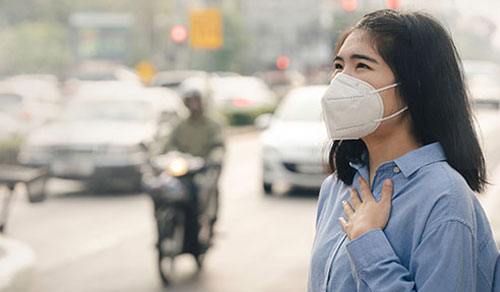
Gasping for Air
This is based on the chest and neck muscles experiencing strain while pulling air from the lungs.
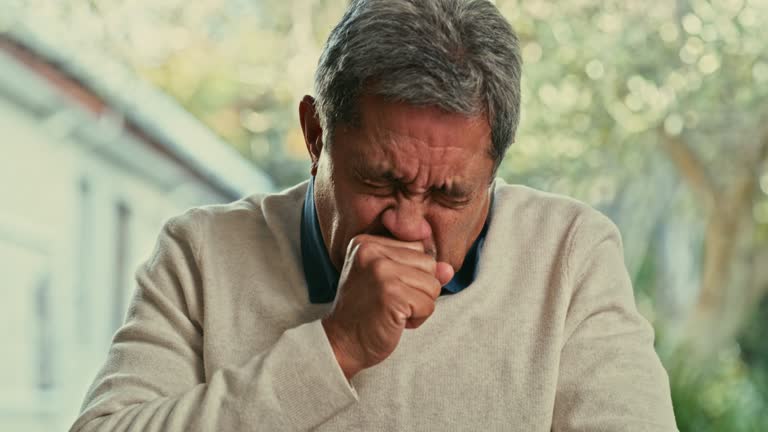
Severe Shortness of Breath
This symptom refers to an individual experiencing extreme difficulty to catch breathe while resting or sitting still.

Rapid Breathing
When the body tries to make up for the lack of oxygen, the breathing rate increases.

Irregular Heartbeat
When the vital organs do not receive an adequate oxygen supply, the heart pumps rapidly or develops an irregular rhythm.

Bluish Skin
Lack of oxygen in the blood causes a distinct bluish or grayish color of the lips, fingernails, and skin.

Excessive Sweating
When an individual needs to try too hard to breathe, the sympathetic nervous system gets activated, which causes heavy and cold sweating.
How Is Respiratory Failure Diagnosed?
Since respiratory failure can be a life-threatening emergency, Dr. Abhishek Bali performs a combination of rapid physical evaluations, blood gas analyses, and advanced lung imaging tests. In addition, he prioritizes supportive treatments like oxygen therapy to identify the root cause quickly.
Here are the diagnostic procedures used by him to identify the root cause of respiratory failure:
Pulse Oximetry
This is based on attaching a small clip to a finger that uses light waves to continuously monitor the oxygen saturation level in the blood.
Arterial Blood Gas (ABG) Test
This test uses a small blood sample that is drawn directly from an artery to measure exact levels of oxygen, carbon dioxide, and blood pH.
Pulmonary Function Tests (PFTs)
These are non-invasive breathing tests that measure how much air the lungs can hold and how quickly air can be exhaled.
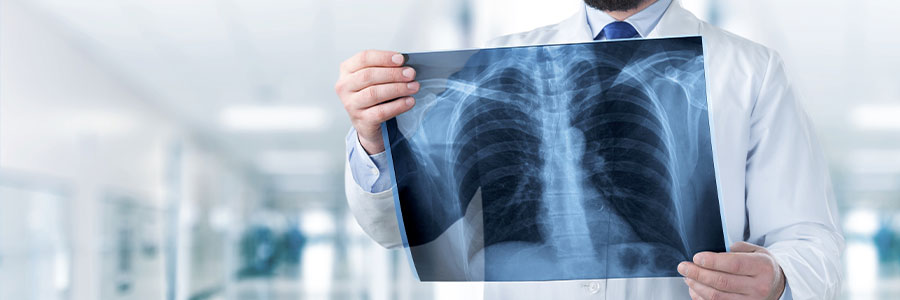
Chest X-Ray
This is a standard imaging test that provides visuals of the lungs, which in turn allows spotting of fluid buildup, pneumonia, or other underlying chest and lung conditions.
Chest CT Scan
This is a detailed cross-sectional imaging scan that helps in identifying complex underlying issues in the respiratory system.
Electrocardiogram (ECG)
This test is used if the respiratory failure is caused by straining of the cardiovascular system.
Advanced Respiratory Failure Treatment in Siliguri
After diagnosing the cause and severity of respiratory failure, Dr. Abhishek Bali develops an individualized treatment plan to stabilize breathing, improve oxygen levels, and address the underlying disease.
Oxygen Therapy
Supplemental oxygen is administered to increase oxygen levels in the bloodstream and reduce respiratory distress.
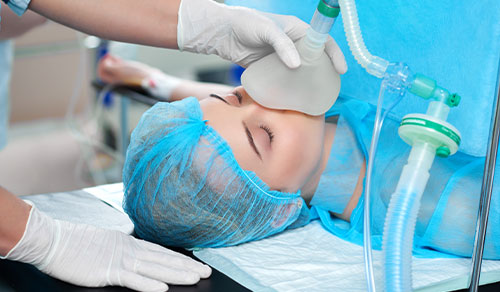
Non-Invasive Ventilation (NIV)
NIV delivers pressurized air through a mask and helps patients breathe without requiring intubation.

Mechanical Ventilation
For severe respiratory failure, ventilator support may be required in an ICU setting to maintain adequate oxygen delivery.
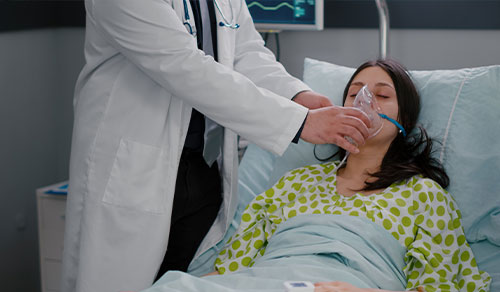
Intensive Care Monitoring
Maxwell Hospital offers advanced ICU support for critically ill patients requiring continuous monitoring and respiratory care.
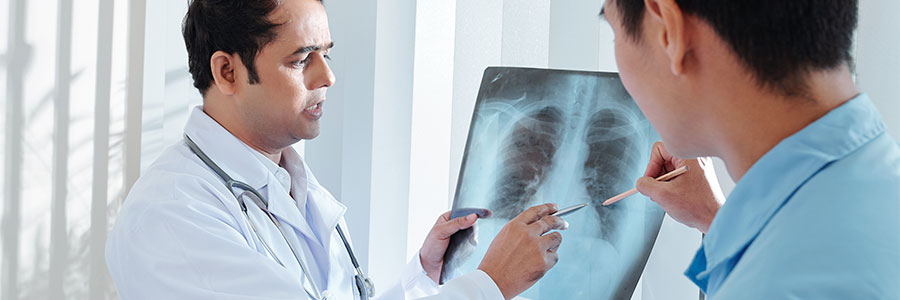
Treatment of Underlying Cause
Depending on the diagnosis, treatment may include:
- Antibiotics for pneumonia
- Bronchodilators for COPD
- Asthma management
- Blood thinners for pulmonary embolism
- ARDS management
Testimonials

Bonisikha Majumder, Siliguri
Govind Chettri, Bagrakote
Ajitesh Paul, Siliguri
Frequently Asked Questions
- Q. Is respiratory failure curable? Answer: If the respiratory failure is caused by underlying conditions, such as a lung infection or a blood clot, it can be treated. However, if the respiratory failure is chronic, it is generally not curable and needs to be managed with continuous therapies.
- Q. How do I know if my breathing problem is a medical emergency? Answer: If you experience symptoms such as severe shortness of breath, a bluish tint on the lips or fingernails, or chest pain, you must seek emergency medical care.
- Q. Which is the best treatment for respiratory failure? Answer: There is no single best treatment for respiratory failure. The best treatment approach relies on the severity and underlying cause of the condition.
- Q. Where can I consult Dr. Abhishek Bali? Answer: Dr. Abhishek Bali is available for OPD consultation at Maxwell Hospital every Monday to Saturday from 3 PM to 5 PM. You can call 0353 352 1700 for appointment booking.
- Q. Can smoking cause respiratory failure? Answer: Smoking destroys the delicate air sacs (alveoli) and paralyzes the tiny hair-like structures (cilia) that clean your airways. With the passage of time, this tissue damage limits gas exchange, which in turn causes respiratory failure.
- Q. What is the difference between respiratory distress and respiratory failure? Answer: Respiratory distress refers to difficulty breathing, while respiratory failure occurs when the lungs can no longer maintain adequate oxygen and carbon dioxide levels.
- Q. Can respiratory failure be treated without a ventilator? Answer: Yes. Many patients improve with oxygen therapy, medications, and non-invasive ventilation. Ventilator support is only required in severe cases.
Online Enquiry
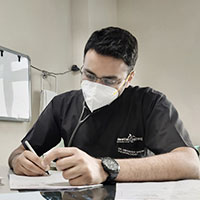
Dr. Abhishek Bali
MBBS, MD (Respiratory Medicine)
Consultant- Pulmonary Critical Care & Sleep Medicine