

Chronic Cough Treatment in Siliguri
Chronic cough is a cough that persists for eight weeks or longer in adults and four weeks or longer in children. Unlike a temporary cough caused by a common cold or seasonal infection, chronic cough usually indicates an underlying medical condition that requires proper evaluation and treatment. It can interfere with daily activities, disrupt sleep, and significantly affect quality of life. According to a study conducted by Mahesh et al. (2011), three major factors for chronic cough in India are indoor air pollution, tobacco smoking, and occupational exposure.
Since such a cough can be an indicator of serious respiratory diseases such as COPD, bronchitis, asthma, or interstitial lung disease, it becomes important to seek timely diagnosis and treatment. Dr. Abhishek Bali (MBBS, MD in Respiratory Medicine) offers the best chronic cough treatment in Siliguri with an advanced diagnostic approach, comprehensive therapeutic options, and highly personalized care.
14 +
Years of Hospital affiliations Experience
5K +
Number of patient
1000+
Successful Recoveries
Academic Achievement: He performed the first-ever Medical Pleuroscopy in North Bengal and Sikkim, and he is currently the Head of the Pulmonology Department at Maxwell Hospital & Research Centre.
Why Choose Dr. Abhishek Bali For Persistent Cough Treatment?
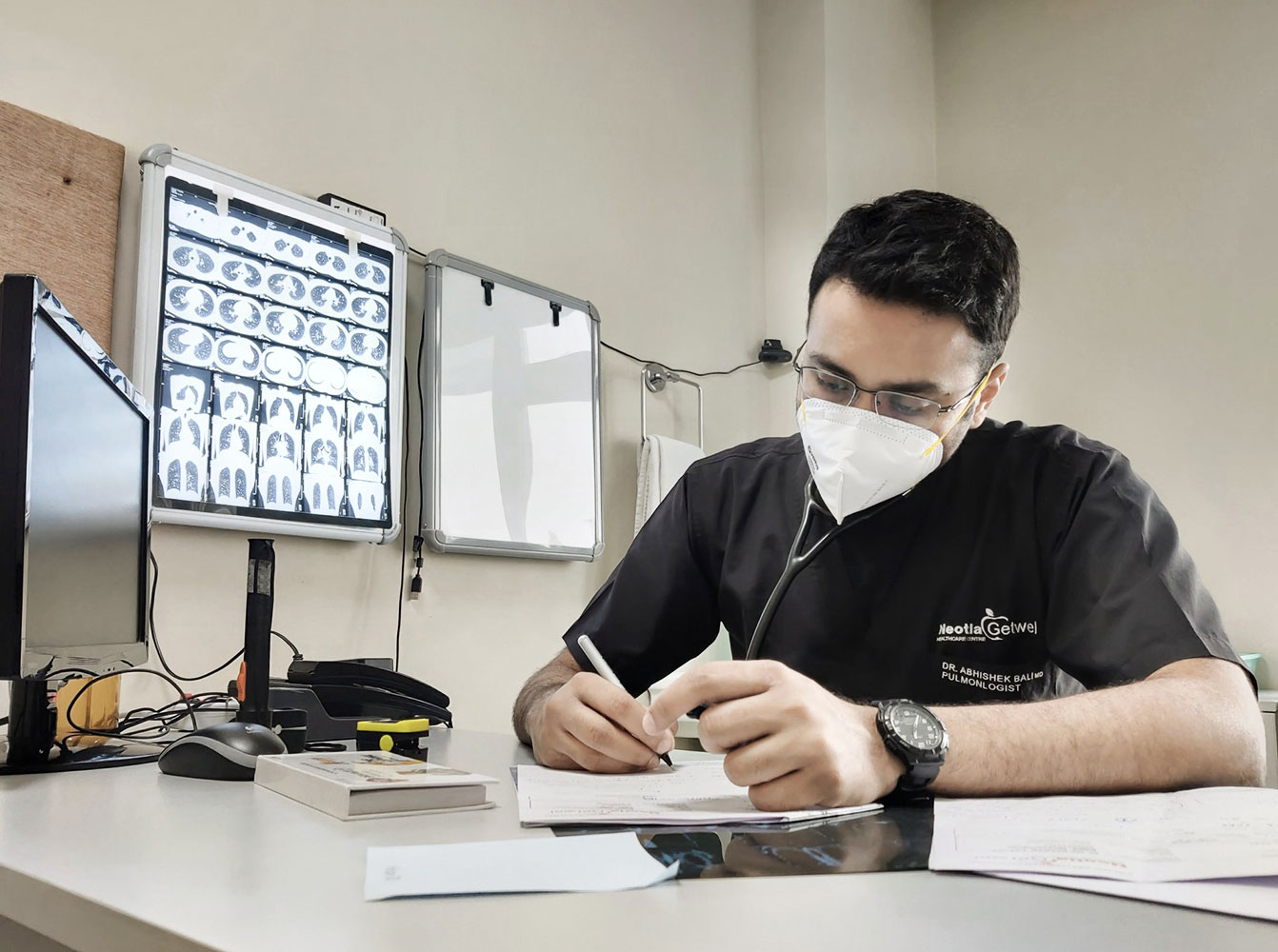
When you are dealing with a chronic cough, generic medications or syrups often fail to address the underlying disease that is causing it. Therefore, it is highly recommended to consult a specialist who can identify the root cause of a persistent cough instead of masking the symptoms. Dr. Abhishek Bali is a leading pulmonologist and chronic cough specialist in Siliguri who combines advanced academic training in respiratory medicine with deep clinical experience in treating complex airway diseases.
Here are the top reasons to choose him:
Customized Treatment Plan
He focuses on developing highly customized, evidence-based management protocols that combine targeted pharmacotherapy with practical lifestyle modifications.
14+ years of experience
He has been associated with pulmonology care since 2012 after completing his MBBS. His extensive qualification of MD in Respiratory Medicine and simultaneous practice make him a highly trusted chest specialist.
Reputed Hospital Affiliations
He leads the pulmonology department at Maxwell Hospital & Research Centre, which is a top multi-specialty hospital in Siliguri with advanced emergency care and world-class diagnostic facilities.
State-of-the-Art Infrastructure
He uses cutting-edge diagnostic technology, including modern Pulmonary Function Testing (PFT) and advanced interventional pulmonology tools like Endobronchial Ultrasound (EBUS).
Specialized Pulmonary Expertise
He has completed his MD in Respiratory Medicine, which equips him with advanced diagnostic skills for chronic cough and its associated symptoms
What Are The Common Factors Triggering Chronic Cough?
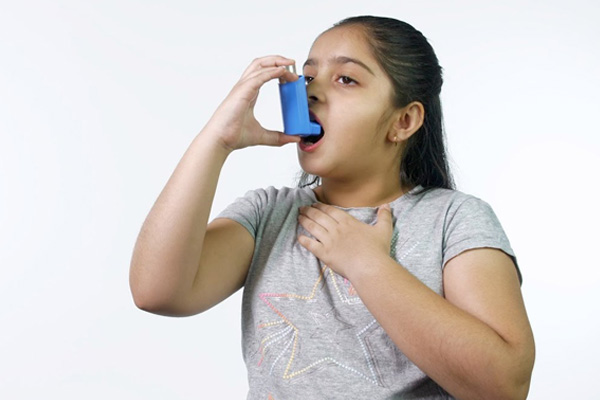
Chronic cough can be caused by a mix of medical conditions, lifestyle habits, and environmental exposures. Knowing the common trigger factors for chronic cough can help identify the underlying medical conditions and find targeted relief.
Here are some of the most common factors that trigger a chronic cough:
Asthma
Cough caused by asthma tends to flare up after exposure to cold or dry air.

Postnasal Drip
The cough reflex can be triggered due to excess mucus caused by allergies, sinusitis, or rhinitis.

COPD or Chronic Bronchitis
A chronic cough can be linked to COPD or chronic bronchitis due to airway inflammation and excess mucus production.

Tobacco Smoking
Both active and passive smoking cause chronic tissue irritation and lung damage, which promotes a chronic cough.

Occupational Exposure
Regular, prolonged contact with industrial chemical vapors, agricultural dust, coal, textile fibers, or manufacturing irritants.

Indoor Air Pollution
Inhalation of toxic fumes from biomass fuels, wood-burning stoves, unvented cookers, or poor indoor ventilation.

Certain Medications (ACE Inhibitors)
Medications commonly prescribed for high blood pressure and heart disease may cause a dry, persistent cough as a side effect in some individuals.

Allergies
Exposure to allergens such as dust mites, pollen, pet dander, or mold can cause airway irritation and frequent coughing.

Gastroesophageal Reflux Disease (GERD)
Acid from the stomach can flow back into the food pipe and throat, causing irritation that triggers a persistent cough, especially at night or after meals.
How Is the Underlying Cause of Chronic Cough Diagnosed?
As a trusted persistent cough specialist in Siliguri, Dr. Abhishek Bali follows a systematic, step-by-step clinical approach. This is because a cough is a symptom and not a disease itself. The diagnostic process typically combines a detailed medical history with specific diagnostic tests. Here is a step-by-step breakdown of the chronic cough's underlying cause diagnosis:
Detailed Clinical Evaluation
This is the first step where the specialist assesses the cough's duration, sound, timing, lifestyle habits like tobacco use, and current medications.
Physical Examination
In this step, a thorough examination of the ears, nose, throat, sinuses, and chest is done to look for physical signs of inflammation, postnasal drip, or abnormal breathing sounds.
Pulmonary Function Tests (PFT)
These are non-invasive breathing tests that measure the capacity of the lungs and diagnose underlying lung diseases, such as COPD or asthma.

Laboratory & Allergy Tests
This includes sputum tests, blood tests, or skin prick tests to identify specific environmental triggers, bacterial infections, or systemic inflammatory markers.
Radiology & Imaging
In this step, HRCT or Chest X-Rays are performed to detect structural changes, infections, fluid buildup, or interstitial lung disease (ILD)
Bronchoscopy
This is a specialized interventional procedure where a thin, flexible tube with a camera is guided into the airways to view the lungs as well as collect tissues or fluid samples.
Testimonials

Divya Ghosh,Siliguri
Soma Sharma, Bagdogra
Bithika Roy, Siliguri

FAQs
- Q. Can a chronic cough damage my lungs or throat? Answer: Yes, prolonged spells of severe chronic cough can cause physical strain, which leads to inflamed throat tissues, hoarseness, ruptured small blood vessels, muscle pain, and even rib fractures.
- Q. Why does my chronic cough get worse at night? Answer: A chronic cough gets worse at night due to either postnasal drip or acid reflux. This happens because while lying down, mucus from your sinuses or acid from your stomach flows back more easily into your throat, triggering the cough reflex.
- Q. How to know if I have a chronic cough? Answer:A cough is considered chronic when it lasts for 8 weeks or longer in adults, or 4 weeks or longer in children. During such a situation, you should immediately consult a chronic cough specialist, popularly known as a pulmonologist
- Q. Can standard cough syrups cure my chronic cough? Answer: No. Over-the-counter cough syrups only provide temporary relief by suppressing the cough reflex for a few hours. For complete cure, an accurate diagnosis of the underlying conditions and specialized treatment are necessary.
- Q. When should I see a specialist for chronic cough? Answer: Answer: If your cough lasts longer than eight weeks, worsens over time, or is accompanied by symptoms such as breathlessness, wheezing, fever, or blood in sputum, you should seek specialist evaluation.
- Q. Where can I find Dr. Abhishek Bali for OPD consultation? Answer: Dr. Abhishek Bali is available for OPD consultation at Maxwell Hospital in Jyoti Nagar, Near Don Bosco School, Siliguri - 734001. His OPD timings are every Monday to Saturday from 3 PM to 5 PM. You can call 0353 352 1700 for prior appointment booking.
Online Enquiry

Dr. Abhishek Bali
MBBS, MD (Respiratory Medicine)
Consultant- Pulmonary Critical Care & Sleep Medicine