
Smoking Cessation Clinic in Siliguri
According to the Global Adult Tobacco Survey India (2017), nearly 267 million adults in India are tobacco users. Since tobacco is one of the biggest public health threats, it becomes important to address this crisis through a structured process of helping people overcome nicotine dependence. To be able to quit smoking and eliminate nicotine dependency, consult renowned pulmonologist Dr. Abhishek Bali (MBBS, MD in Respiratory Medicine) at the premier smoking cessation clinic in Siliguri.
14 +
Years of Hospital affiliations Experience
5K +
Number of patient
1000+
Successful Recoveries
Academic Achievement: He performed the first-ever Medical Pleuroscopy in North Bengal and Sikkim, and he is currently the Head of the Pulmonology Department at Maxwell Hospital & Research Centre.
Why Choose Dr. Abhishek Bali For Smoking Cessation?
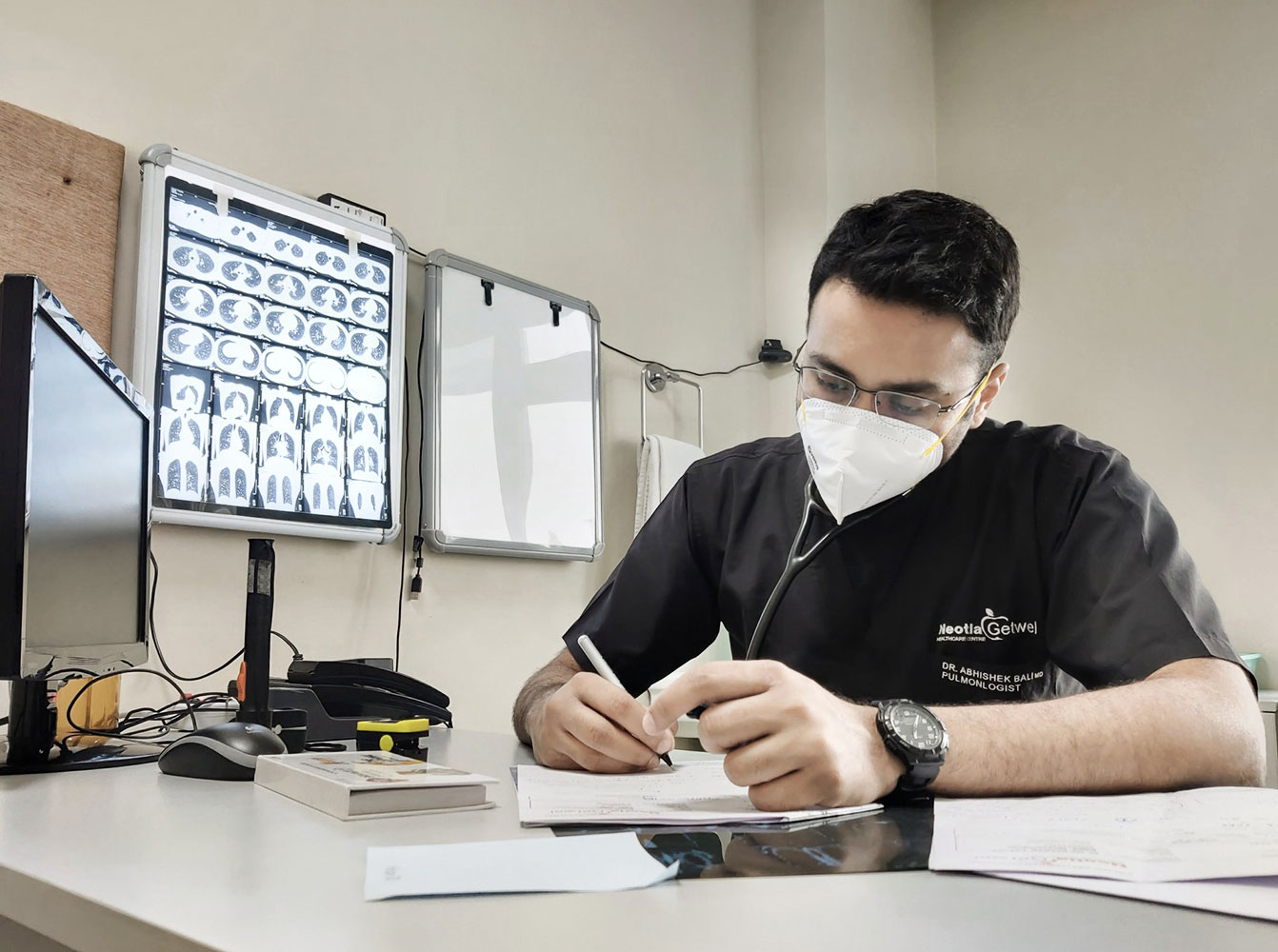
Smoking cessation is one of the most effective strategies to reduce the risk of cancer, cardiovascular disease, and chronic lung conditions. Thus, choosing a trusted specialist holds tremendous significance in this regard. Dr. Abhishek Bali specializes in both nicotine withdrawal and lung recovery, which ensures a comprehensive, end-to-end approach for patients looking to quit smoking and reverse the long-term respiratory damage it causes.
Here are the top reasons to choose him:
Comprehensive Respiratory & Lung Evaluation
Along with addressing the psychological urge to smoke, he performs a detailed evaluation of the present lung function.
Reputed Hospital Affiliation
He is the lead pulmonology consultant at Maxwell Hospital, which has state-of-the-art infrastructure and diagnostic facilities, such as Spirometry and advanced pulmonary testing.
Evidence-Based Pharmacotherapy
He prioritizes using scientifically validated medical interventions, such as Nicotine Replacement Therapy (NRT), along with prescription non-nicotine oral medications to address nicotine cravings.
Integrated Pulmonary Rehabilitation
Several years of smoking addiction can lead to chronic cough, chest tightness, or shortness of breath. As a renowned respiratory specialist, he integrates medical de-addiction with focused Pulmonary Rehabilitation programs.
Personalized Relapse Prevention Plans
Relapse or triggers can occur depending on the lifestyle of individuals. Dr. Bali identifies your daily smoking triggers and accordingly designs a personalized relapse prevention plan to ensure resiliency against triggers.
Symptoms That Indicate the Need For a Visit to a Smoking Cessation Clinic
Recognizing the early warning signs of smoking addiction helps an individual seek professional medical intervention before the occurrence of irreversible respiratory or cardiovascular damage. Dr. Abhishek Bali’s approach at the leading smoking cessation clinic in Siliguri prioritizes symptom recognition so that timely medical intervention can prevent the progression of irreversible conditions.
Here are some common signs to watch out for:
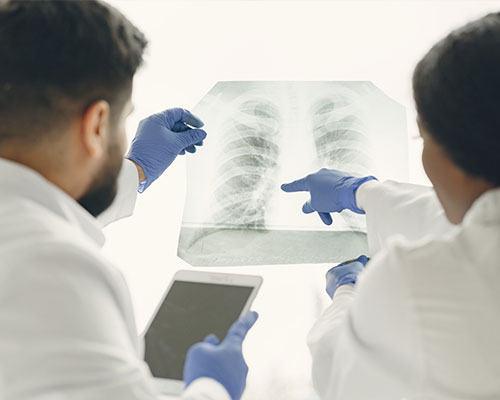
Persistent Chronic Cough
A persistent cough that does not go away after 21 days and is resistant to medications.
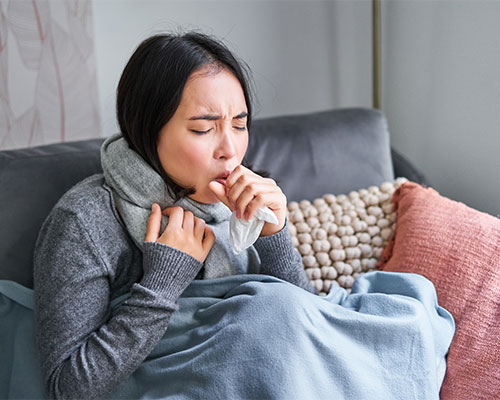
Unexplained Shortness of Breath
Experiencing chest tightness or breathlessness during routine or low-effort activities.
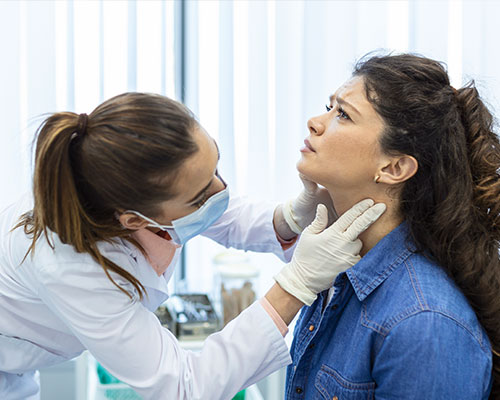
Frequent Respiratory Infections
Recurrent bronchitis, chest infections, or colds due to weakened lung immunity.
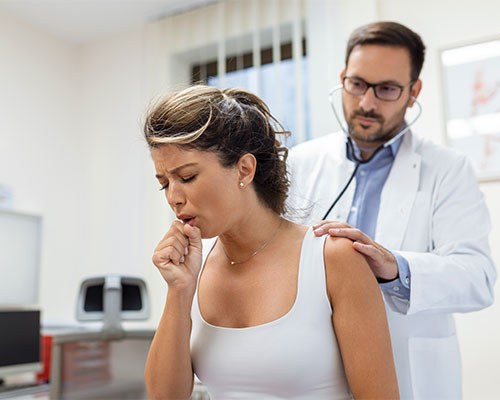
Failed Quitting Attempts
Multiple attempts to quit smoking, but relapses occur after a few days or weeks.
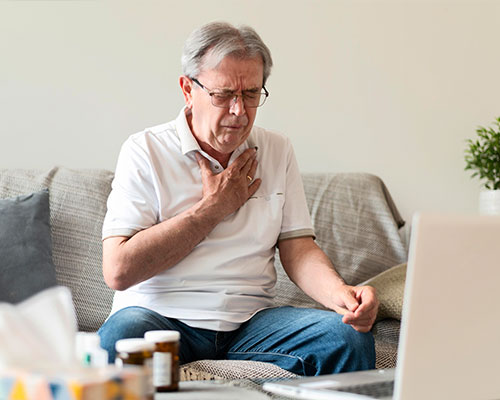
Severe Withdrawal Signs
Experiencing extreme irritability, anxiety, headaches, or mood swings when trying to quit tobacco.

Intense Cravings
Strong, uncontrollable urges to smoke that disrupt your daily focus, work, or sleep.
How Does Smoking Cessation Work? Step-By-Step Explanation
As a trusted persistent cough specialist in Siliguri, Dr. Abhishek Bali follows a systematic, step-by-step clinical approach. This is because a cough is a symptom and not a disease itself. The diagnostic process typically combines a detailed medical history with specific diagnostic tests. Here is a step-by-step breakdown of the chronic cough's underlying cause diagnosis:
Detailed Clinical Evaluation
By choosing a leading smoking cessation clinic in Siliguri where Dr. Abhishek Bali practices, you can be assured of undergoing a structured clinical process that retrains both your brain and body to function without nicotine. Here is a step-by-step explanation of how the smoking cessation program works.
Comprehensive Medical & Psychological Evaluation
In this step, your exact level of physical nicotine dependence is evaluated. In addition, lung functioning tests, such as spirometry and PFTs, are performed.
Designing a Personalized Treatment Plan
A personalized smoking cessation plan is designed according to individual lifestyle and health condition. The key in this step is to decide whether gradual reduction or an abrupt "cold turkey" stop is relevant.
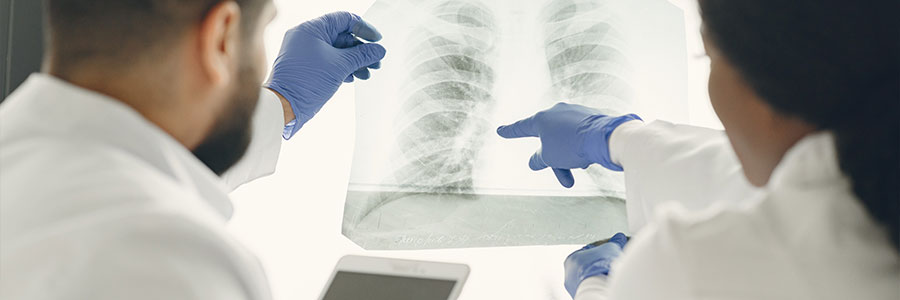
Withdrawal Symptoms Management
This step focuses on managing withdrawal symptoms by providing Nicotine Replacement Therapy (NRT) and prescribing non-nicotine medications.
Behavioral Therapy
Lifestyle modifications are suggested by replacing the smoking habit with healthy alternatives like exercise, stress-management techniques, or new hobbies. In addition, immediate coping tools, such as the 4 D’s strategy, are recommended.
Continuous Monitoring & Relapse Prevention
Regular follow-ups are scheduled during the first 3 to 6 months so that milestones can be celebrated and medication dosages can be adjusted. Lastly, pulmonary rehabilitation focuses on teaching long-term breathing exercises to improve lung capacity and restore stamina.
Health Benefits of Quitting Smoking
Quitting smoking is one of the most important decisions you can make for your overall health. The human body begins repairing itself almost immediately after tobacco use stops. Over time, the risk of serious diseases such as lung cancer, heart disease, stroke, and chronic respiratory conditions gradually decreases. Here is how your body starts recovering after quitting smoking:

After 20 Minutes
Your heart rate and blood pressure begin to return toward normal levels. Blood circulation starts improving as the effects of nicotine on the cardiovascular system begin to wear off.

After 24 Hours
The level of carbon monoxide in your blood drops significantly, allowing oxygen to be transported more efficiently throughout the body. This helps vital organs function better.

After 2 Weeks to 3 Months
Lung function and blood circulation show noticeable improvement. Many individuals experience less coughing, reduced shortness of breath, and increased physical stamina during daily activities.

After 1 Year
The risk of coronary heart disease becomes significantly lower compared to someone who continues to smoke. The heart and blood vessels function more efficiently, reducing the likelihood of cardiovascular complications.

After 5 Years
The risk of stroke decreases considerably and may approach that of a non-smoker, depending on overall health and lifestyle factors.

After 10 Years
The risk of developing lung cancer becomes approximately half that of a person who continues to smoke. In addition, the likelihood of cancers affecting the mouth, throat, esophagus, bladder, and pancreas also decreases substantially.
Testimonials

Bibek Sen,Siliguri
Sunny Agarwal, Siliguri
Avantika Gurung, Kalimpong

FAQs
- Q. Will there be changes in my appearance if I quit smoking? Answer: Quitting smoking triggers massive changes in your appearance. Within days to weeks, your skin will look brighter and more even, your teeth and nails will lose their yellow stains, and your hair will appear healthier and shinier as circulation and oxygen delivery to your skin drastically improve.
- Q. How long does the smoking cessation program take? Answer: Smoking cessation programs typically last 8 to 12 weeks, which aligns with standard timelines for nicotine replacement therapy (NRT) or prescription medications like bupropion and varenicline.
- Q. Are prescribed non-nicotine pills safe? Answer: When prescribed by an experienced doctor, non-nicotine pills, such as varenicline and bupropion, are highly effective and safe. They help reduce cravings and withdrawal symptoms, but they can cause side effects like nausea or insomnia.
- Q. Can I quit smoking without medications? Answer: Yes, many people quit smoking without medications by “cold turkey” or using natural behavioral strategies to manage cravings. However, if you are a chain smoker, it is highly recommended to seek assistance at the best smoking cessation clinic in Siliguri or a location of your convenience.
- Q. Will I gain weight after quitting smoking? Answer: Some people experience mild weight gain due to increased appetite, but proper dietary guidance and exercise can help prevent significant weight changes.
- Q. What are the first withdrawal symptoms after quitting smoking? Answer: Common symptoms include cravings, irritability, anxiety, headaches, restlessness, and difficulty concentrating.
- Q. How to book an appointment with Dr. Abhishek Bali for a smoking cessation program? Answer: You can either call +91 98008 22187 (Dr. Abhishek Bali’s appointment booking number) or 0353 352 1700 (Maxwell Hospital’s dedicated appointment booking number).
Online Enquiry
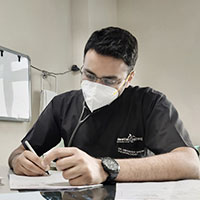
Dr. Abhishek Bali
MBBS, MD (Respiratory Medicine)
Consultant- Pulmonary Critical Care & Sleep Medicine