

Lung Infection Treatment in Siliguri
A lung infection is a respiratory condition that occurs when harmful microorganisms such as bacteria, viruses, or fungi enter the lungs and begin multiplying. This triggers the body's immune response, leading to inflammation, swelling, and fluid buildup within the airways or lung tissue. As a result, individuals may experience symptoms such as cough, fever, chest discomfort, and difficulty breathing. According to research by the India State-Level Disease Burden Initiative CRD Collaborators (2018), lung infections or chronic respiratory disease cases in India increased from 4.5% in 1990 to 6.4% in 2016. To address this rising health crisis locally, Dr. Abhishek Bali, a top pulmonologist, offers the best lung infection treatment in Siliguri.
14 +
Years of Hospital affiliations Experience
5K +
Number of patient
1000+
Successful Recoveries
Academic Achievement: He performed the first-ever Medical Pleuroscopy in North Bengal and Sikkim, and he is currently the Head of the Pulmonology Department at Maxwell Hospital & Research Centre.
Why Choose Dr. Abhishek Bali For Lung Infection Treatment?
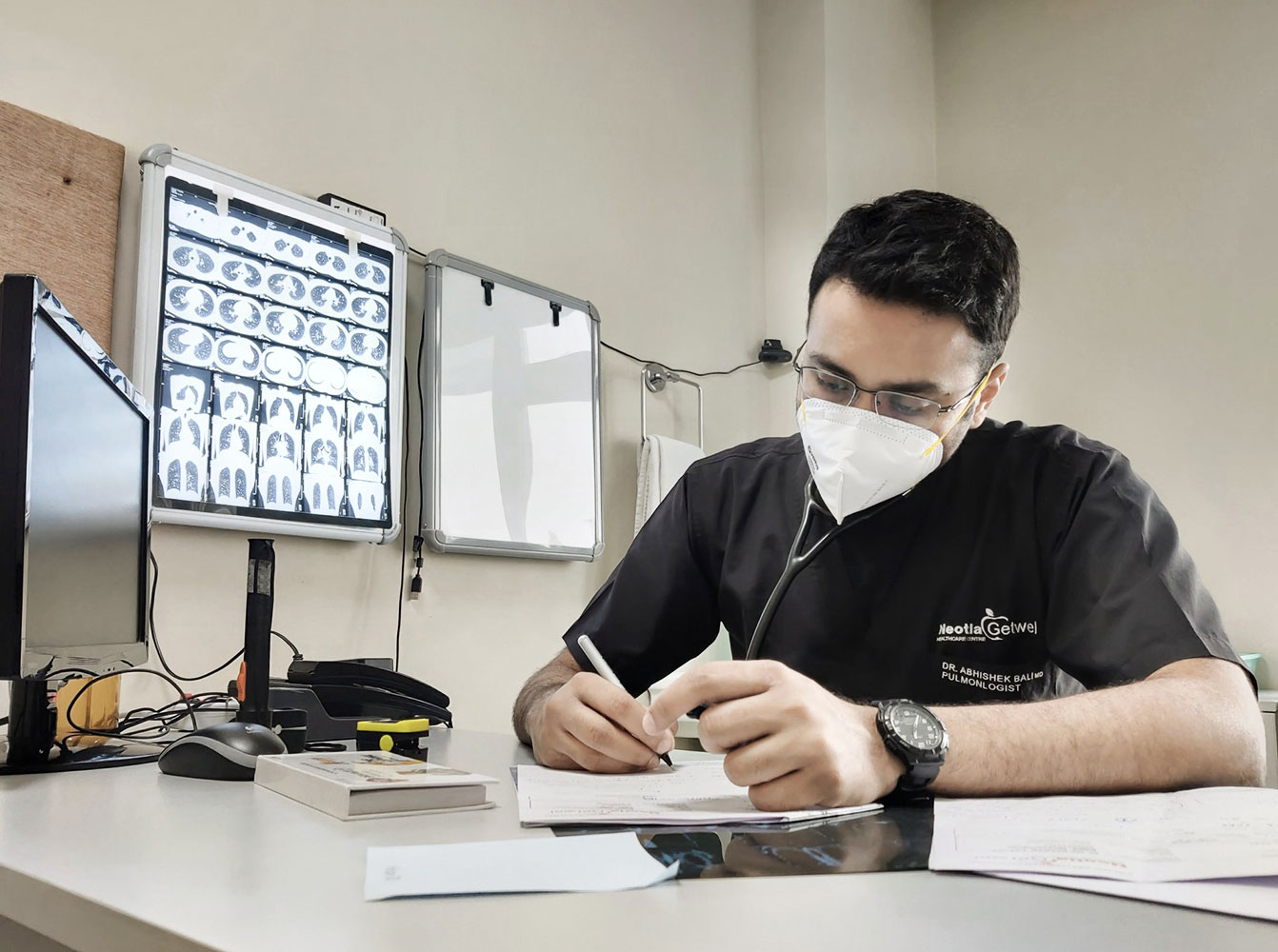
Lung infections are complex respiratory issues that require specialist intervention for full recovery. Dr. Abhishek Bali (MBBS, MD in Respiratory Medicine) has earned a reputation as the best lung infection doctor in Siliguri based on combining a decade of specialized experience in respiratory medicine with advanced diagnostics and evidence-based treatment plans.
Here are the top reasons to choose him:
Critical Care Specialist
He specializes in managing life-threatening lung infections, such as severe pneumonia and ARDS. Dr. Bali stabilizes his patients by securing airways, administering mechanical ventilation, and delivering targeted antimicrobial therapies.
14+ Years of Experience
He has been associated with pulmonology care since 2012 after completing his MBBS. His extensive qualification of MD in Respiratory Medicine and simultaneous practice make him a highly trusted pulmonologist.
Reputed Hospital Affiliations
He leads the pulmonology department at Maxwell Hospital & Research Centre, which is a top multi-specialty hospital in Siliguri with advanced emergency care and world-class diagnostic facilities.
Comprehensive Infection Management
He has an excellent track record of successfully treating a broad range of mild-to-severe lower respiratory tract conditions, including bacterial pneumonia, bronchitis, tuberculosis (TB), and complex post-COVID complications.
Patient-Centric Care
He prioritizes individuals' unique needs, preferences, and values, which in turn promotes personalized treatment regimens, symptom management, and holistic psycho-emotional support.

Types of Lung Infections
Lung infections can develop due to different types of microorganisms and may affect various parts of the respiratory system. Identifying the exact type of infection is important because the treatment approach varies depending on the underlying cause.
Here are some of the most common types of lung infections:

Pneumonia
Pneumonia is a serious infection that affects the air sacs of the lungs. It causes inflammation and fluid accumulation, leading to symptoms such as fever, cough, chest pain, and shortness of breath.

Bronchitis
Bronchitis occurs when the bronchial tubes that carry air to and from the lungs become inflamed. It commonly causes persistent coughing, mucus production, chest discomfort, and fatigue.

Tuberculosis (TB)
Tuberculosis is a bacterial lung infection caused by Mycobacterium tuberculosis. It can lead to a prolonged cough, fever, night sweats, weight loss, and, in severe cases, coughing up blood.
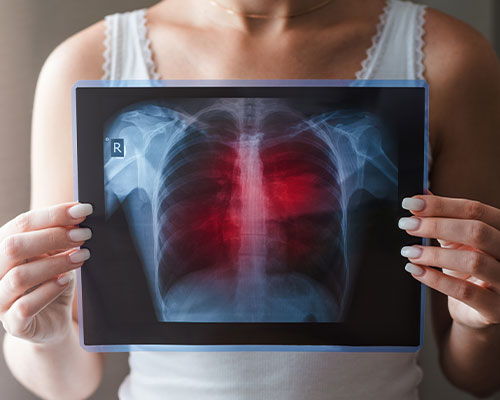
Viral Lung Infections
Viruses such as influenza, respiratory syncytial virus (RSV), and certain coronaviruses can infect the lungs and airways. These infections may cause fever, cough, body aches, breathing difficulties, and general weakness.

Fungal Lung Infections
Fungal infections usually occur in individuals with weakened immune systems or those exposed to specific environmental fungi. Symptoms often include chronic cough, fever, fatigue, chest discomfort, and progressive breathing difficulty.

Lung Abscess
A lung abscess is a pus-filled cavity that develops within the lung tissue due to a bacterial infection. Common symptoms include persistent cough, fever, chest pain, foul-smelling sputum, and fatigue.
Understanding the type of lung infection is essential for selecting the most effective treatment plan. Consulting a lung infection specialist in Siliguri at the earliest signs of symptoms can help prevent complications and support a faster recovery.
Common Symptoms of Lung Infection
Knowing and recognizing the early signs of lung infection is essential for preventing the condition from worsening. Such an infection generally affects the lower respiratory tract, and the symptoms range from mild, flu-like discomfort to severe respiratory distress.
Here are some of the common symptoms of lung infection that you must not ignore:
Persistent Cough
A persistent and recurring cough that produces thick, clear, white, yellow, green, or blood-tinged mucus.
Shortness of Breath
Finding it difficult to breathe while performing light activities or even while resting.
Chest Tightness
A feeling of pressure, pain, or stiffness in the chest area, especially when coughing, sneezing, or breathing deeply.
High Fever & Chills
High body temperature accompanied by shivering and sweating.
Wheezing
A clearly audible whistling sound during inhalation and exhalation.
Cyanosis
This is a symptom of severe cases where the lips, skin, or fingertips turn blue or grey due to a lack of oxygen in the bloodstream.
Factors That Cause Lung Infection
Lung infection is triggered by harmful microorganisms invading the respiratory defense mechanisms and multiplying within the lung tissues. Environmental exposures, lifestyle habits, and underlying health conditions are major determinants of making an individual vulnerable to lung infections. As part of offering lung infection treatment in Siliguri, Dr. Abhishek Bali emphasizes spreading awareness regarding the factors responsible for lung infections.
Here are some of the common factors:

Weakened Immune System
Infants, adults over 65, or individuals with a weakened immune system due to treatments like chemotherapy are highly vulnerable.

Tobacco Smoke Exposure
Active as well as passive smoking tends to paralyze the cilia (tiny hairs) that clean the airway.
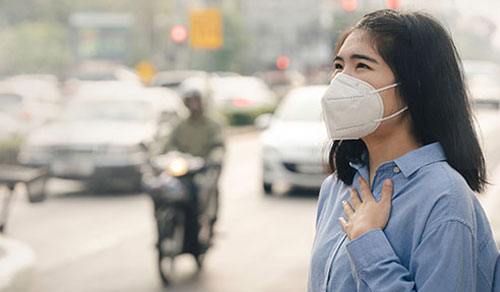
Environmental Air Pollution
Prolonged inhalation of toxic outdoor air pollution, industrial chemical fumes, heavy dust, or poorly ventilated indoor cooking smoke.

Exposure to Infectious Pathogens
Direct exposure to contagious bacteria, environmental fungi, or respiratory viruses is a major cause of lung infection.

Chronic Health Conditions
Existing systemic or respiratory diseases, such as chronic obstructive pulmonary disease (COPD), severe asthma, cystic fibrosis, or uncontrolled diabetes, are major risk factors as well.

Poor Nutrition and Malnutrition
Inadequate nutrition can weaken the body's natural defense mechanisms, making it harder to fight off infections. People with poor nutritional status are at a higher risk of developing respiratory and lung infections.
How Is Lung Infection Diagnosed?
The key to effective lung infection treatment is accurate diagnosis of the exact type of infection. Dr. Abhishek Bali uses a well-structured, step-by-step diagnostic process to identify the exact type of lung infection.
Here are the steps involved as part of the diagnostic process:
Physical Examination
He uses a stethoscope to listen to the chest for abnormal sounds like crackling, bubbling, or wheezing during breathing.
Pulse Oximetry
This is a small, painless sensor that is attached to the finger to measure the oxygen saturation levels.
Chest X-Ray
This is an imaging test used for identifying inflammation, fluid buildup, or patches of infection.
CT Scan
This is a high-resolution imaging test that provides a detailed cross-sectional view of the lung tissue when the chest X-ray results are unclear.
Sputum Test
This test involves analyzing a phlegm sample to identify the specific bacteria or fungus causing the infection.
Bronchoscopy
If the lung infection is severe, a thin, flexible tube with a camera is guided down into your airways to visually inspect the lungs or collect fluid samples.
Testimonials

Bikram Das,Siliguri
Gaurav Chettri, Pedong
Indrani Chakraborty, Siliguri

Frequently Asked Questions
- Q. Can lung infection spread through the air?? Answer: Bacterial and viral lung infections are highly contagious. The infectious pathogens spread through airborne droplets when an infected person coughs, sneezes, or talks, as well as through direct contact with contaminated surfaces.
- Q. Can my lung infection be cured without medicine? Answer:Mild viral lung infections often resolve with rest, proper hydration, and over-the-counter symptom management. However, bacterial and fungal lung infections require specific prescription medications to be cured.
- Q. How long does lung infection treatment take? Answer: The recovery period of lung infection varies on the infection type and the patient’s overall health. Mild viral infections may resolve within one to two weeks, whereas severe bacterial pneumonia or chronic conditions can take several weeks to months for full recovery.
- Q. Who is the best lung infection doctor in Siliguri? Answer: Dr. Abhishek Bali (MBBS, MD in Respiratory Medicine) is a leading name for lung infection treatment in Siliguri. He combines advanced diagnostic clinical training with a deeply compassionate approach to patient care.
- Q. How do I know if I have a common flu or a lung infection? Answer: A common cold primarily affects the upper respiratory tract, causing a runny nose, sore throat, and mild cough. On the other hand, a lung infection results in more severe symptoms like a deep, mucus-producing cough, sharp chest pain, high fever, and noticeable shortness of breath.
Online Enquiry

Dr. Abhishek Bali
MBBS, MD (Respiratory Medicine)
Consultant- Pulmonary Critical Care & Sleep Medicine