
Breathing Problem Treatment in Siliguri
Breathing Problem, also known as dyspnea, refers to an uncomfortable feeling of not getting enough air, chest tightness, or gasping for breath. According to a research study by Kochovska et al. (2024), low- and middle-income countries have the highest global burden of diseases associated with breathlessness. India is a major example of this health burden, where an estimated 626 million people are living with breathlessness of some intensity (Clark et al., 2024). To address this health crisis locally, Dr. Abhishek Bali (MBBS, MD in Respiratory Medicine) offers the best breathing problem treatment in Siliguri.
14 +
Years of Hospital affiliations Experience
5K +
Number of patient
1000+
Successful Recoveries
Academic Achievement: He performed the first-ever Medical Pleuroscopy in North Bengal and Sikkim, and he is currently the Head of the Pulmonology Department at Maxwell Hospital & Research Centre.
Why Choose Dr. Abhishek Bali for the Treatment of Breathing Problems?
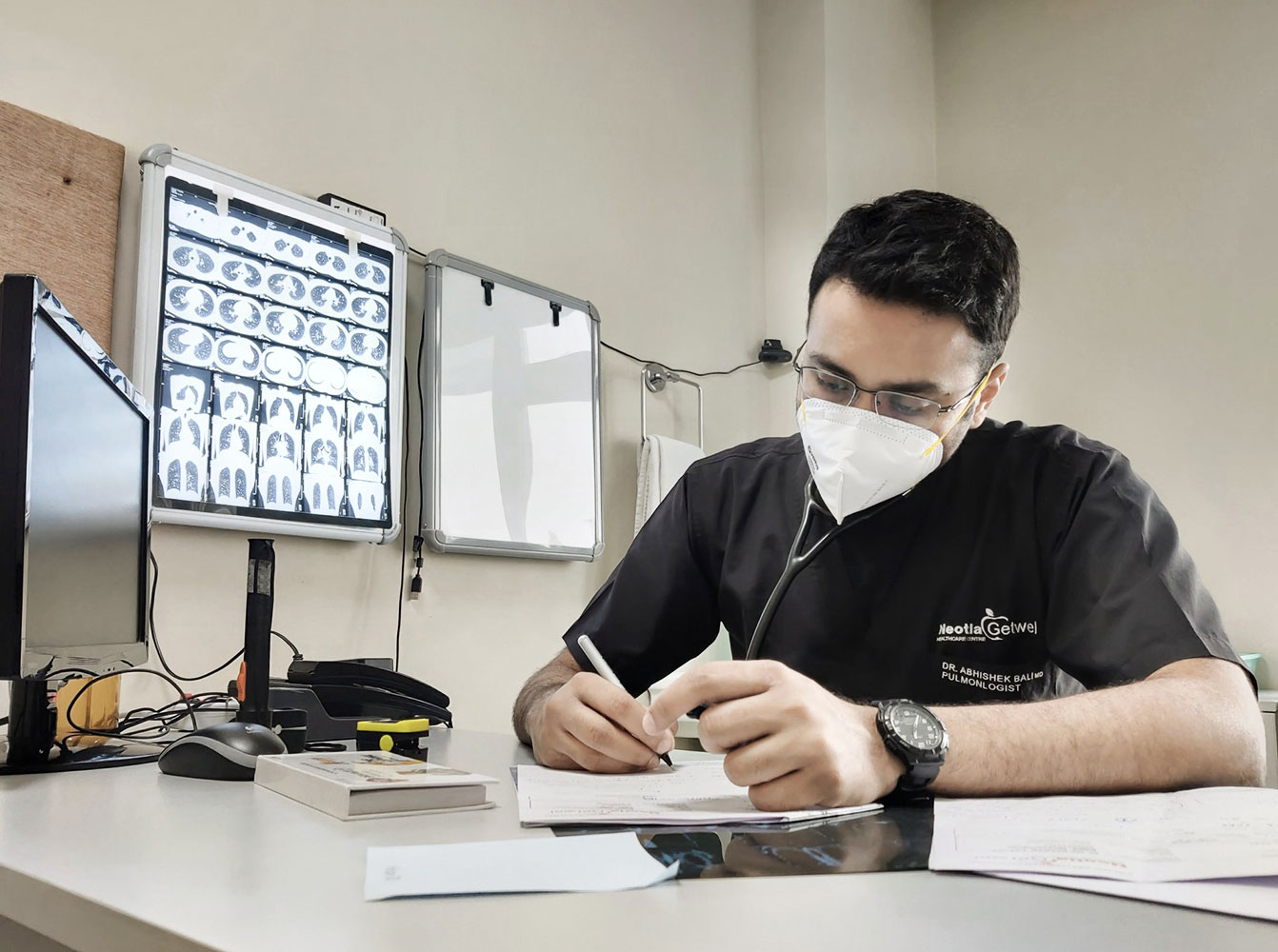
Dr. Abhishek Bali is a renowned pulmonologist with a specialization in managing both common and complex lung disorders. He focuses on using state-of-the-art infrastructure to identify the root cause of breathlessness. Here are the top reasons to choose him for the treatment of breathing problems in Siliguri:
Impressive Track Record
He has an excellent track record of successfully treating more than 1000 patients in the North Bengal region. Regardless of the type of pulmonary conditions causing breathlessness, he focuses on accurate diagnosis and precise treatment.
Global Exposure
He is an active member of the American College of Chest Physicians, European Respiratory Society, Indian Chest Society, Indian Association of Bronchology, and Association of Pulmonary & Critical Care Medicine.
Comprehensive Treatment
He specializes in treating a broad range of breathing disorders, including chronic asthma, severe COPD, lung infections, sleep apnea, and pulmonary fibrosis. All these conditions tend to cause shortness of breath.
Reputed Hospital Affiliation
He is the lead Pulmonology Consultant at Maxwell Hospital, which has advanced diagnostic facilities and modern ICU facilities.
Advanced Clinical Training
He has received specialized training in Interventional Pulmonology, Medical Pleuroscopy, and Endobronchial Ultrasound (EBUS).

What Is a Breathing Problem?
Breathing problems refer to difficulty breathing, shortness of breath, chest tightness, wheezing, or the sensation of not getting enough air. They may develop suddenly or gradually and can result from conditions affecting the lungs, heart, airways, or blood circulation. While occasional breathlessness may occur during intense physical activity, persistent breathing difficulty requires medical evaluation to identify and treat the underlying cause.
Causes of Breathing Problems
Breathing problems or shortness of breath is not a disease but rather a symptom of underlying conditions affecting the heart, lungs, and blood circulation. When the heart, lungs, or blood do not receive the required oxygen, the body triggers a sensation of breathlessness to demand more oxygen.
Here are the common causes of breathing problems:
Chronic Obstructive Pulmonary Disease (COPD)
Long-term lung damage caused by COPD causes progressive breathing problems.
Asthma
Chronic inflammation in the airways leads to narrowing of the breathing passages.
Pulmonary Embolism
A blood clot travelling into the arteries of the lungs leads to restricted oxygen exchange.
Respiratory Infections
Infections, such as pneumonia, tuberculosis, and bronchitis, cause breathlessness by triggering inflammation in the respiratory tract.
Interstitial Lung Disease (ILD)
Scarring and deep inflammation of the lung tissue, which in turn prevents it from fully expanding.
Heart Issues
When the heart struggles to pump oxygen-rich blood effectively, or fluid backs up into the lungs, it makes breathing difficult.
Obesity
Excessive body weight tends to restrict the chest walls and lungs from fully expanding.
Diagnosis of Breathing Problems
Whether you are consulting Dr. Abhishek Bali for wheezing treatment or treatment for shortness of breath in Siliguri, his primary focus is on accurate diagnosis. By identifying the root cause, he targets a personalized recovery plan for improved breathing. Here are the different diagnostic procedures used by Dr. Bali to identify the root cause of breathlessness:
Pulmonary Function Tests (PFTs)
These tests evaluate the overall lung capacity, oxygen absorption ability, and respiratory strength.
Spirometry
This measures the amount of air that you can breathe and the speed at which you can empty your lungs.
Bronchoscopy
This involves inserting a thin, lighted camera tube down the airways to visually inspect for blockages or tissue damage.
Pulse Oximetry
This involves attaching a small sensor clip to the finger so that instant blood oxygen saturation levels can be checked.
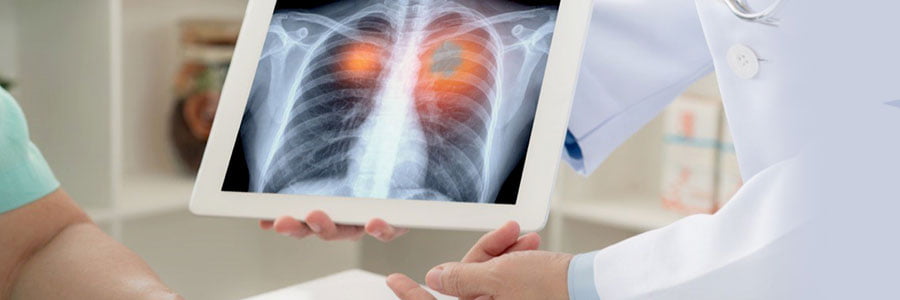
Chest X-Ray
This provides a detailed image of the chest structure to identify fluid build-up, lung infections, or an enlarged heart.
CT Scan
This generates cross-sectional images of the chest, which help in detecting lung scarring, blood clots, or localized tumors.
Electrocardiogram (ECG)
This records the electrical activity of your heart to check for rhythm issues or signs of a heart attack.
How is a Breathing Problem Treated?
Dr. Abhishek Bali uses a wide range of treatment strategies to combine immediate relief from breathlessness with long-term management plans. The best treatment for shortness of breath depends on the underlying cause because the key is to restore normal oxygen levels.
Here are the most common treatment procedures used:
Bronchodilators
These are nebulizers or inhalers that relax airway muscles, which in turn quickly open narrow breathing passages.
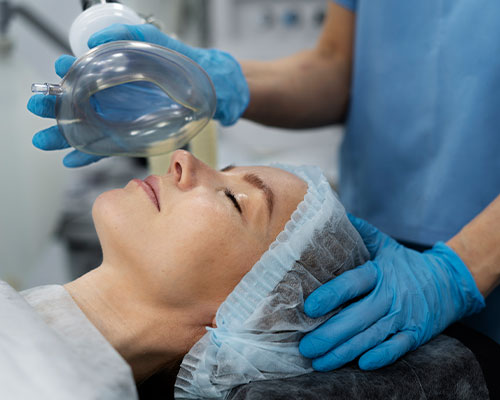
Oxygen Therapy
This is based on offering supplemental oxygen through a nasal tube or mask so that blood oxygen levels can be increased instantly.

Corticosteroids
These are inhaled or oral medications that help reduce swelling and inflammation in the lungs.
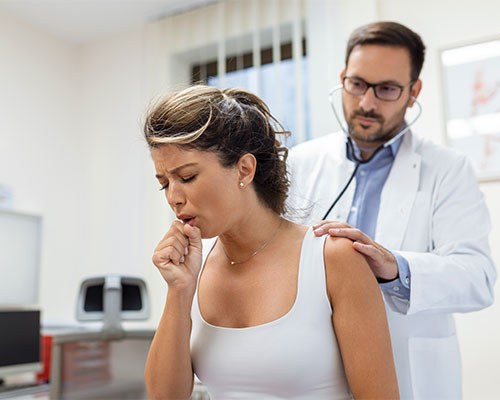
CPAP or BIPAP Therapy
These therapies are provided by using machines that use continuous air pressure to keep airways open during sleep.

Anticoagulants
These are blood thinners that dissolve or prevent life-threatening blood clots in the lungs.

Breathing Exercises
Techniques, such as pursed-lip breathing, are taught, which focus on slowing down breath rate and maximizing lung efficiency.

Weight Management
Tips to maintain a healthy bodyweight to reduce physical pressure on the chest wall and diaphragm.
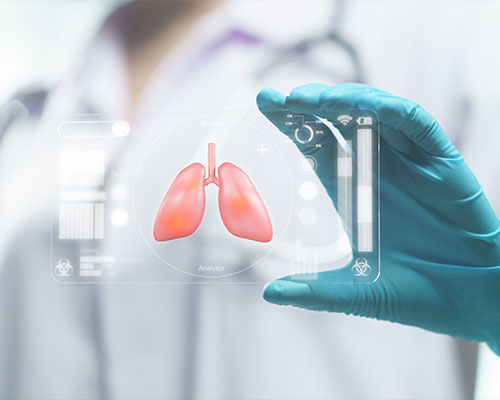
Pulmonary Rehabilitation
This includes supervised exercise, breathing techniques, and education programs that help improve lung function and overall breathing ability.
When Should You Seek Emergency Medical Attention for Breathing Problems?
While mild breathing difficulties can sometimes result from temporary conditions, certain symptoms require immediate medical evaluation. Delaying treatment in such situations can increase the risk of serious complications and may even become life-threatening.
Seek emergency medical attention immediately if you experience any of the following:
- Sudden severe shortness of breath that develops without warning.
- Chest pain or chest pressure, especially if it spreads to the arm, neck, jaw, or back.
- Bluish lips, fingertips, or skin, indicating dangerously low oxygen levels.
- Difficulty speaking or completing sentences due to breathlessness.
- Rapid worsening of wheezing or coughing despite using prescribed medications or inhalers.
- Confusion, dizziness, or unusual drowsiness, which may indicate inadequate oxygen supply to the brain.
- Loss of consciousness or fainting episodes associated with breathing difficulty.
- High fever with severe breathlessness, which may indicate a serious lung infection such as pneumonia.
- Sudden breathlessness accompanied by swelling or pain in the legs, which could be a sign of pulmonary embolism.

Bishnu Roy, Matigara
Sukanya Singha, Siliguri
Paritosh Guha, Siliguri

Frequently Asked Questions
- Q. Can anxiety cause breathing problems? Answer: Yes, severe anxiety or panic attacks can cause breathing problems. However, a specialist consultation can help rule out underlying lung issues and confirm that stress is the primary reason.
- Q. How to know if my breathing problem is caused by a heart issue or a lung issue? Answer: Lung issues often involve wheezing, coughing, or worsened symptoms during a cold. On the other hand, heart issues are frequently related to physical exertion, chest pressure, or swelling in your feet. However, detailed medical testing is required for confirmation.
- Q. Where to consult Dr. Abhishek Bali in Siliguri? Answer: Dr. Abhishek Bali is available for OPD consultation at Maxwell Hospital in Jyoti Nagar, Near Don Bosco School, Siliguri - 734001. His OPD timings are Monday to Saturday from 3 PM to 5 PM.
- Q. Is a pulmonary function test painful? Answer: No, PFTs are a non-invasive and painless test. The testing process involves blowing into a mouthpiece that measures your overall lung capacity.
- Q. When should I seek immediate treatment for breathing problems in Siliguri? Answer: You should seek immediate medical treatment if you experience sudden, severe difficulty breathing, chest pain, or a bluish tint on your lips or fingertips.
- Q. Is shortness of breath always serious? Answer: Not always, but persistent or worsening breathlessness should never be ignored because it may indicate an underlying lung or heart condition.
- Q. Can wheezing occur without asthma? Answer: Yes. Wheezing may occur due to COPD, lung infections, allergies, heart failure, or airway obstruction.
Online Enquiry
Dr. Abhishek Bali
MBBS, MD (Respiratory Medicine)
Consultant- Pulmonary Critical Care & Sleep Medicine