

Interstitial Lung Disease (ILD) Treatment in Siliguri
Interstitial Lung Disease (ILD) is an umbrella term for a large number of diseases that cause progressive scarring (fibrosis) and inflammation in the lung tissue. According to research conducted by Singh et al. (2016), around 47% of the ILD cases in India are associated with hypersensitivity pneumonitis. Therefore, seeking advanced ILD treatment in Siliguri from a reputed pulmonologist, such as Dr. Abhishek Bali, is crucial for addressing the disease progression and improving quality of life.
14 +
Years of Hospital affiliations Experience
5K +
Number of patient
1000+
Successful Recoveries
Academic Achievement: He performed the first-ever Medical Pleuroscopy in North Bengal and Sikkim, and he is currently the Head of the Pulmonology Department at Maxwell Hospital & Research Centre.
Why Choose Dr. Abhishek Bali For ILD Treatment?
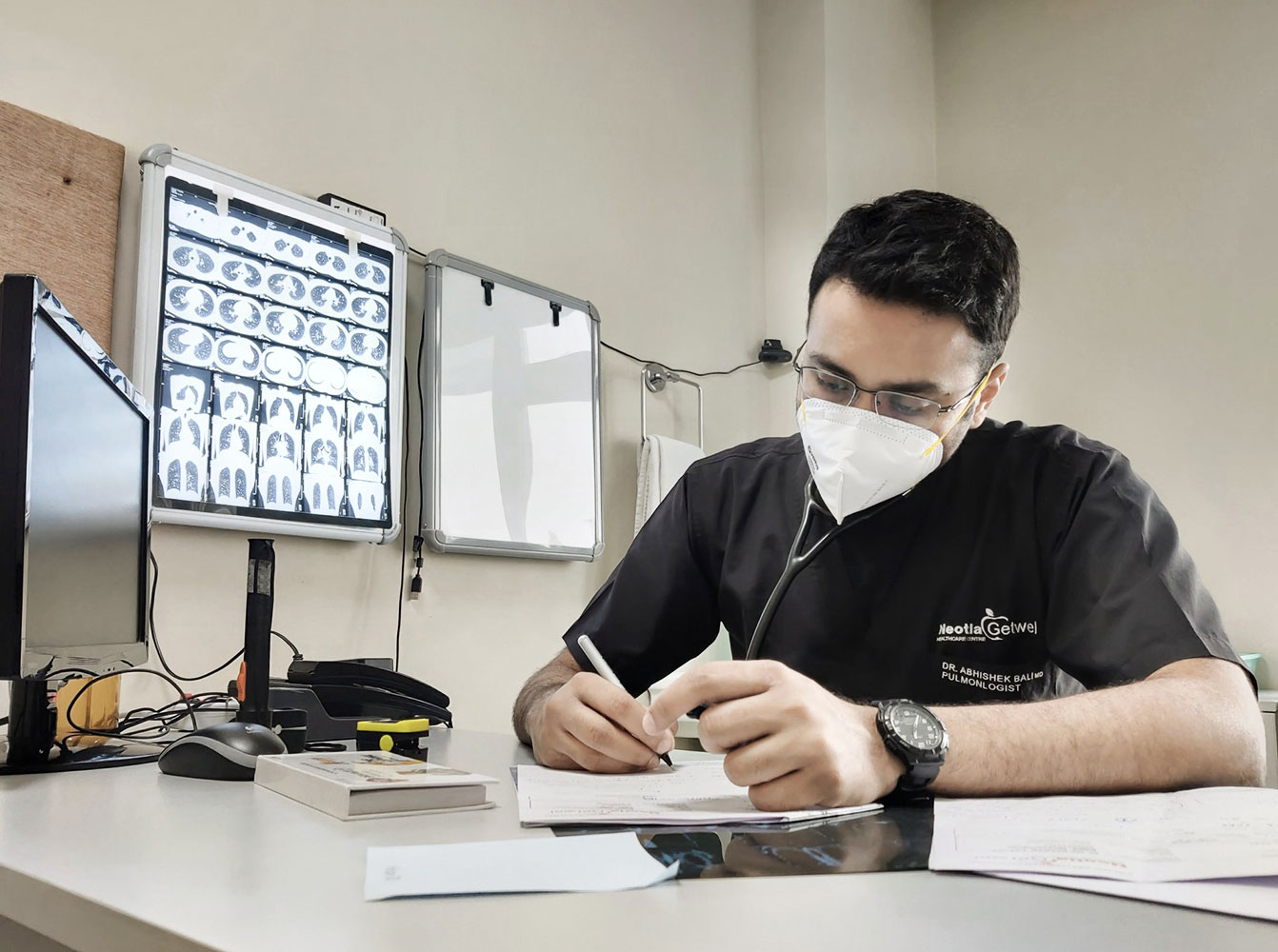
Since ILD significantly hampers the quality of life by causing progressive lung scarring, it becomes important to seek specialized intervention. Dr. Abhishek Bali (MBBS, MD in Respiratory Medicine) is a trusted interstitial lung disease specialist in Siliguri who offers comprehensive care that bridges advanced medical protocols with compassionate patient management.
Here are the top reasons to choose him:
Holistic Treatment Approach
He prioritizes the integration of lifestyle modifications, environmental trigger identification, and pulmonary rehabilitation.
Patient-Centric Care
He customizes ILD treatment based on the individual's lung condition and symptom severity. This allows better treatment outcomes.
14+ years of experience
He has been associated with pulmonology care since 2012 after completing his MBBS. His extensive qualification of MD in Respiratory Medicine and simultaneous practice make him a highly trusted pulmonologist.
Reputed Hospital Affiliations
He leads the pulmonology department at Maxwell Hospital & Research Centre, which is a top multi-specialty hospital in Siliguri with advanced emergency care and world-class diagnostic facilities.
Advanced Treatment Protocols
He utilizes the latest antifibrotic medications, immunosuppressants, and tailored oxygen therapies.
What Is Interstitial Lung Disease (ILD)?
Interstitial Lung Disease (ILD) refers to a group of lung disorders that cause inflammation and scarring within the lung tissue. This scarring, also known as fibrosis, makes the lungs stiff and reduces their ability to expand properly while breathing. As a result, less oxygen reaches the bloodstream, leading to symptoms such as breathlessness, fatigue, and persistent coughing.
ILD is not a single disease but an umbrella term for more than 200 different lung conditions, including pulmonary fibrosis and hypersensitivity pneumonitis. Since lung scarring is often permanent, early diagnosis and treatment are important to slow disease progression and preserve lung function. Dr. Abhishek Bali provides advanced pulmonary fibrosis treatment in Siliguri with a focus on accurate diagnosis, personalized care, and long-term respiratory health.
Causes and Risk Factors of ILD
Interstitial Lung Disease can develop due to several environmental, occupational, autoimmune, and genetic factors. In some cases, the exact cause may remain unknown. Understanding the common causes and risk factors can help individuals seek medical attention before significant lung damage occurs.
Here are some of the most common causes and risk factors of ILD:
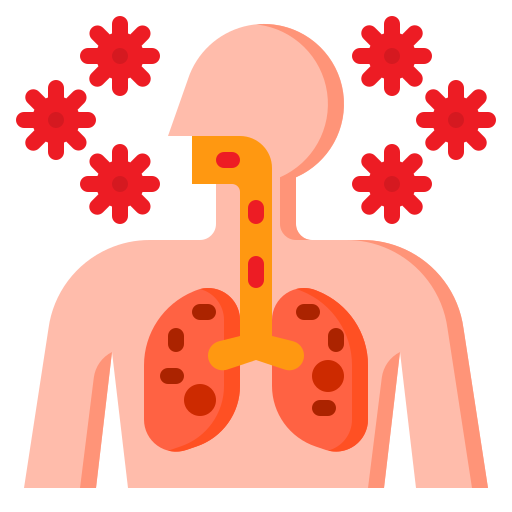
Hypersensitivity Pneumonitis
Repeated exposure to substances such as mold, bird droppings, dust, or certain chemicals can trigger an immune reaction that causes lung inflammation and scarring.

Autoimmune Diseases
Conditions such as rheumatoid arthritis, scleroderma, and lupus can cause the body's immune system to mistakenly attack healthy lung tissue.

Occupational Dust Exposure
Long-term exposure to silica dust, coal dust, asbestos, and other industrial particles can increase the risk of developing ILD.

Smoking
Tobacco smoke can damage lung tissue and contribute to inflammation, increasing the likelihood of certain types of interstitial lung disease.

Air Pollution
Continuous exposure to polluted air and harmful environmental particles may gradually affect lung health and increase the risk of respiratory diseases.

Certain Medications
Some medications used to treat cancer, heart conditions, or autoimmune diseases may cause lung inflammation as a side effect.

Radiation Therapy
Individuals who have undergone radiation treatment to the chest area may develop inflammation and scarring in the lungs over time.

Family History
A family history of pulmonary fibrosis or other interstitial lung diseases may increase the risk of developing similar conditions. Identifying these risk factors early and consulting a pulmonary fibrosis specialist in Siliguri can help ensure timely diagnosis, appropriate treatment, and better long-term lung health.
Common Symptoms of ILD
The symptoms of ILD tend to develop gradually and can worsen over time. In addition, early detection is a major challenge in ILD because it progresses without any prominent early symptoms. Generally, people mistake ILD symptoms for common conditions like asthma, COPD, or bronchitis. However, timely diagnosis is essential because lung scarring in ILD is generally permanent.
Here are the common symptoms of ILD to watch out for:
Progressive Shortness of Breath
Shortness of breath or breathing difficulty that initially appears during minor physical exertion but gradually begins to occur even while resting.
Persistent Dry Cough
A chronic dry cough that does not clear up with standard cough syrups or antibiotics.
Gradual Weight Loss
This is based on unintended loss of body weight, which is accompanied by a noticeable decline in appetite.

Fatigue and Weakness
A constant feeling of tiredness and low energy, which is caused by chronically low oxygen saturation levels.
Chest Discomfort
Mild tightness, pressure, or a feeling of discomfort across the chest area during deep breathing.
Clubbing of Fingers
Widening, swelling, and rounding of the fingertips and toes, which leads to the nails curving downward with the passage of time.
Diagnostic Procedures for ILD
As a renowned ILD specialist in Siliguri, Dr. Abhishek Bali focuses on identifying the exact type of Interstitial Lung Disease through a multi-step approach. Since ILD encompasses over 200 conditions, a comprehensive evaluation is necessary to rule out other respiratory issues. Here are the diagnostic procedures used by Dr. Bali to accurately identify ILD:
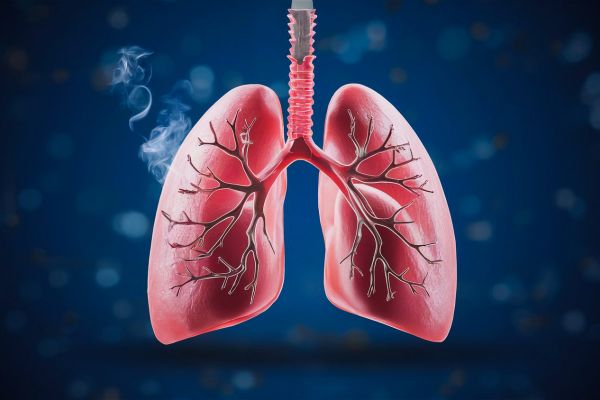
Pulmonary Function Tests (PFTs)
This test is based on using spirometry and lung volume measurements to assess how much air the lungs can hold and how efficiently they move oxygen into the blood.
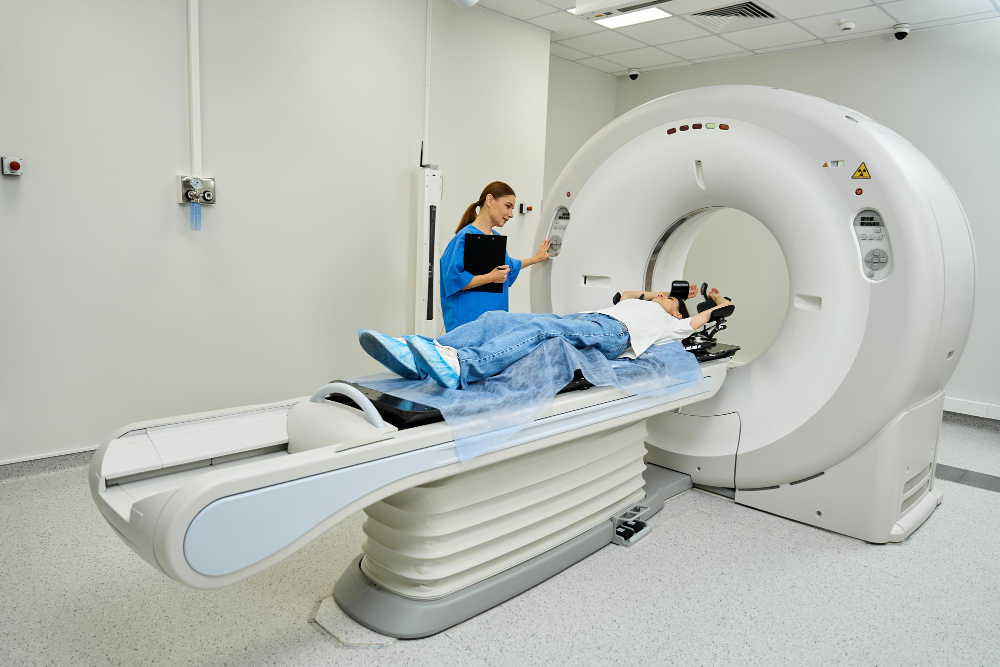
High Resolution Computed Tomography (HRCT)
This is a high-definition imaging test that provides detailed, cross-sectional views of the lungs to detect specific scarring patterns.

Autoantibody Blood Tests
These are laboratory screenings that help in determining underlying autoimmune or connective tissue diseases that are causing lung inflammation.

Pulse Oximetry & 6MWT
These are non-invasive monitoring techniques used for measuring blood oxygen saturation levels during physical exertion as well as during rest.

Bronchoscopy
This is a procedure where a thin tube is passed into the airways to collect fluid samples.
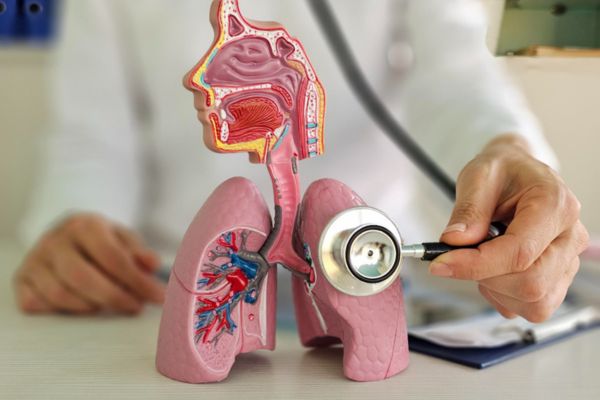
Diffusing Capacity of the Lungs
This is a specialized breath test that evaluates how effectively oxygen transfers from the lung air sacs into the bloodstream.
Step-By-Step Treatment Approach
Dr. Abhishek Bali uses a structured, multi-layered strategy to address the root cause of a specific type of ILD. Since lung damage or scarring caused by an ILD is generally irreversible, the primary goal of the treatment is to halt scarring, minimize airway inflammation, and enhance the patient's daily breathing capacity. Here are the steps generally followed by Dr. Bali to deliver the best ILD treatment in Siliguri:
Here are the common symptoms of ILD to watch out for:
Identification and Removal of the Triggers
This is the first step of the treatment approach, where he conducts a thorough lifestyle assessment that triggers hypersensitivity pneumonitis.
Medical Therapy for Inflammation
In this step, he administers targeted medications like corticosteroids or immunosuppressants to address ongoing tissue inflammation.
Antifibrotic Medicine to Halt Scarring
He prescribes specialized antifibrotic drugs to slow down the progression of permanent lung tissue scarring.
Pulmonary Rehabilitation
He prioritizes conducting supervised physical exercise programs and breathing retraining to build muscle endurance and optimize oxygen use efficiency.
Supplemental Oxygen Therapy
He provides continuous or exertion-based oxygen support to relieve severe shortness of breath and protect vital organs from low oxygen levels.
Long-Term Monitoring
He schedules routine follow-up scans and tests to track stability, adjust medication dosages, or evaluate eligibility for advanced options.
Testimonials

● Jagadish Roy,Siliguri
Suraj Dutta, Siliguri
Bithika Roy, Siliguri

FAQs
- Q. Is ILD curable? Answer: Lung damage and scarring caused by ILD are generally irreversible. However, timely medical intervention can slow down or halt disease progression, ease breathing difficulties, and significantly improve your long-term quality of life.
- Q. Are there any side effects of antifibrotic medications? Answer: Antifibrotic drugs like Pirfenidone and Nintedanib are highly effective at slowing lung scarring, but they can cause side effects such as nausea, diarrhea, loss of appetite, or skin sensitivity to sunlight. As the best ILD specialist in Siliguri, Dr. Abhishek Bali carefully monitors liver function and adjusts dosage regularly.
- Q. How is hypersensitivity pneumonitis different from other types of ILD? Answer: Hypersensitivity pneumonitis is caused by an allergic reaction to inhaled environmental particles. Unlike genetic or autoimmune-driven ILDs, hypersensitivity pneumonitis can be managed or reversed if the specific environmental trigger is identified at an early stage.
- Q. Can ILD worsen over time? Answer: Yes. Many forms of ILD are progressive and may gradually reduce lung function if left untreated.
- Q. Is pulmonary rehabilitation helpful for ILD? Answer: Yes. Pulmonary rehabilitation can improve exercise tolerance, breathing efficiency, and overall quality of life.
- Q. How often are follow-ups required after ILD treatment? Answer: Follow-ups for interstitial lung disease (ILD) are essential for tracking treatment response and disease progression. Patients generally require pulmonology evaluations every 3 to 6 months.
- Q. How to book an appointment with Dr. Abhishek Bali for ILD treatment consultation? Answer: Follow-ups for interstitial lung disease (ILD) are essential for tracking treatment response and disease progression. Patients generally require pulmonology evaluations every 3 to 6 months.
Online Enquiry

Dr. Abhishek Bali
MBBS, MD (Respiratory Medicine)
Consultant- Pulmonary Critical Care & Sleep Medicine