

Asthma Treatment in Siliguri: Expert Pulmonologist Care
Asthma is a chronic inflammatory disease that causes the airways to swell, narrow, and produce excess mucus, which in turn creates breathing difficulties. According to the Global Asthma Report (2022), around 35 million of the Indian population suffer from asthma. This staggering number highlights the necessity of effective asthma treatment in our country. Dr. Abhishek Bali (MBBS, MD in Respiratory Medicine), a renowned pulmonologist, offers the best asthma treatment in Siliguri.
14 +
Years of Hospital affiliations Experience
5K +
Number of patient
1000+
Successful Recoveries
Academic Achievement: He performed the first-ever Medical Pleuroscopy in North Bengal and Sikkim, and he is currently the Head of the Pulmonology Department at Maxwell Hospital & Research Centre.
Why Choose Dr. Abhishek Bali For Asthma Treatment?
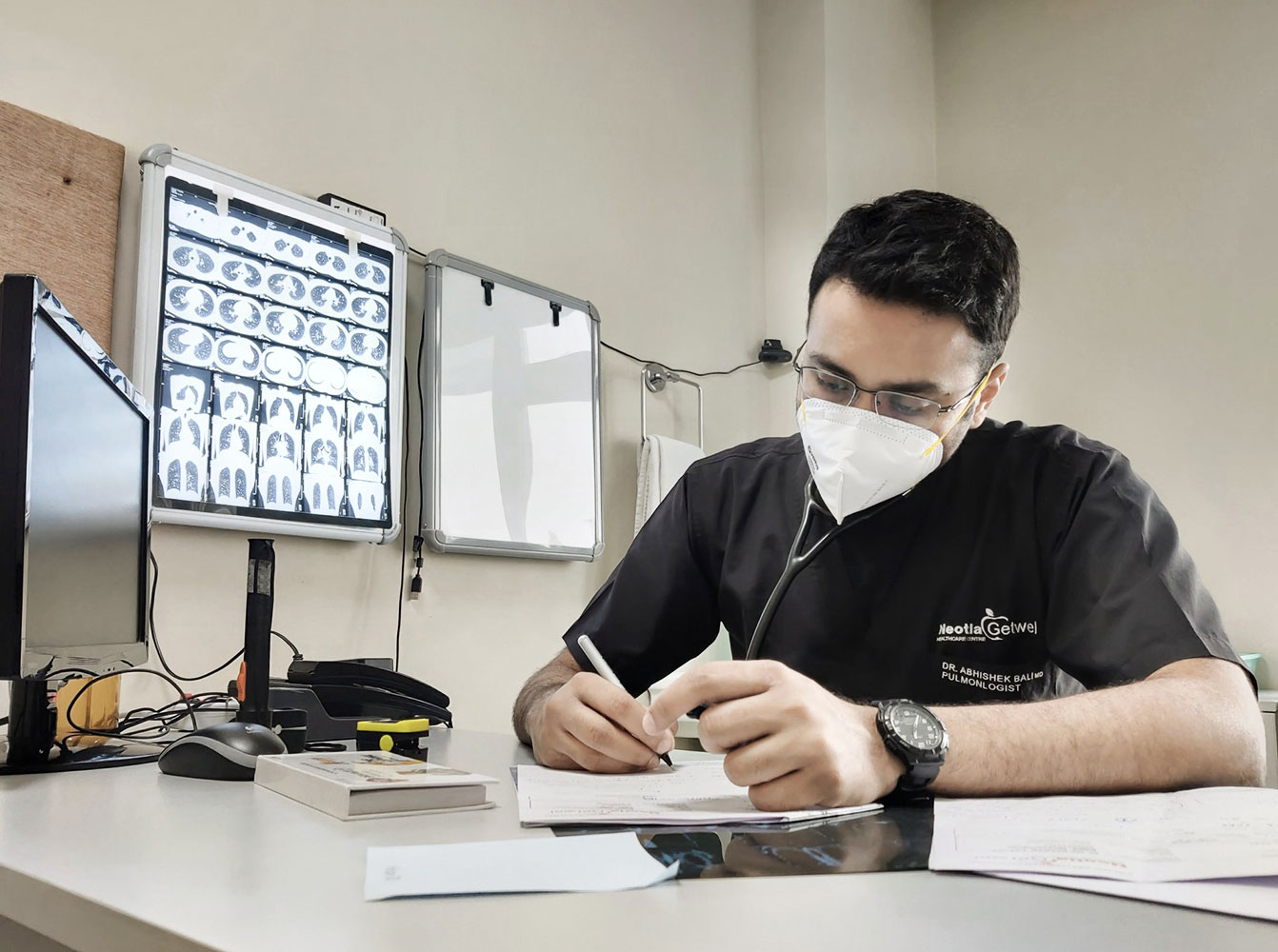
Managing asthma requires a personalized, proactive approach that includes a combination of an asthma action plan, daily control medications, and the avoidance of known triggers. Dr. Abhishek Bali is widely regarded as the best asthma doctor in Siliguri due to his focus on comprehensive, evidence-based respiratory care tailored to each patient's unique triggers and lifestyle.
Here are the top reasons to choose him for asthma treatment:
Excellent Academic Background
Dr. Abhishek Bali completed his MBBS and MD in Respiratory Medicine from A.J. Institute of Medical Sciences & Research Centre, Mangalore, Karnataka. He has undergone specialized training in Medical Pleuroscopy, Chest Ultrasound, Endobronchial Ultrasound (EBUS), and Interventional Pulmonology from CMC Vellore, Tamil Nadu.
14+ years of experience
He has been associated with pulmonology care since 2012 after completing his MBBS. His extensive qualifications, including an MD in Respiratory Medicine, and his simultaneous practice make him a highly trusted pulmonologist.
Patient-Centric Care
He has earned tremendous praise among patients due to his empathetic communication style and clear explanation of treatment options. In addition, he focuses on long-term lifestyle counseling and trigger management.

Customized Treatment Plans
He specializes in designing customized treatment plans for both allergic and non-allergic asthma. Therefore, patients can receive precisely targeted symptom relief, fewer asthma attacks, and a better overall quality of life.
Reputed Hospital Affiliations
He leads the pulmonology department at Maxwell Hospital & Research Centre, which is a top multi-specialty hospital in Siliguri with advanced emergency care and world-class diagnostic facilities.
Common Symptoms of Asthma
Asthma symptoms can vary from person to person. Some people experience mild symptoms, while some experience severe daily disruptions. The symptoms tend to worsen when an affected person comes into contact with specific respiratory triggers, such as cold air, pollen, dust, or exercise. Here are some of the common symptoms of asthma that need early clinical intervention to promote better long-term management:
Shortness of Breath
Experiencing difficulty in exhaling or feeling deprived of adequate oxygen.
Chest Tightness
A sensation of pressure or pain in the chest area.
Persistent Cough
A continuous dry cough that worsens significantly at night or early morning.
Frequent Wheezing
A whistling sound made while breathing out.
Exercise Intolerance
Triggering of cough or rapid fatigue while doing simple physical exercise.
Sleep Disturbances
Coughing, wheezing, or breathlessness causing insomnia.
Common Asthma Triggers
Asthma symptoms often worsen when a person is exposed to certain environmental or lifestyle-related triggers. Identifying and avoiding these triggers plays a crucial role in long-term asthma management.
Here are some of the most common asthma triggers:
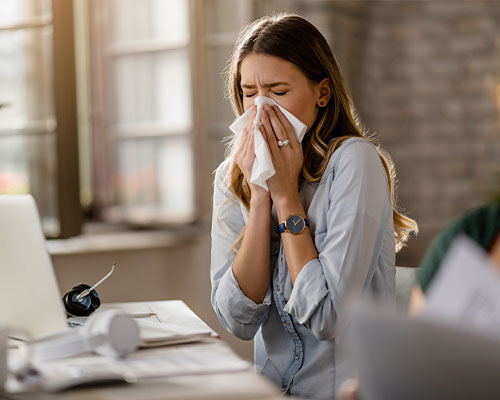
Dust Mites
Tiny organisms found in bedding, carpets, and upholstered furniture that can trigger allergic reactions.
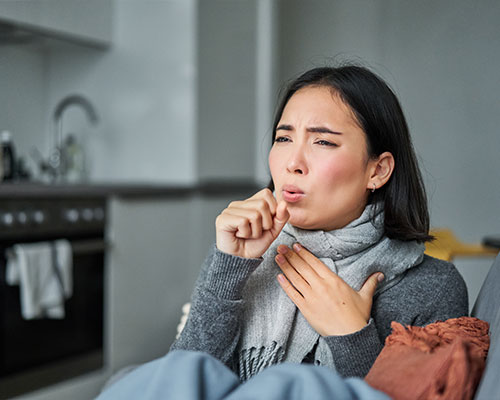
Pollen
Seasonal pollen from trees, grasses, and weeds can irritate the airways and worsen asthma symptoms.

Pet Dander
Proteins found in the skin flakes, saliva, or fur of animals can trigger asthma attacks in sensitive individuals.
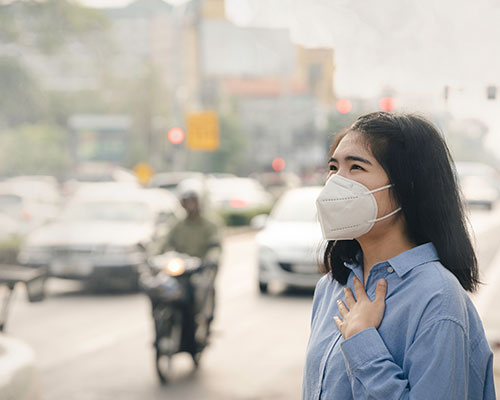
Air Pollution
Exposure to vehicle emissions, industrial pollutants, and smoke can increase airway inflammation.

Cigarette Smoke
Both active smoking and secondhand smoke can aggravate asthma symptoms and increase the risk of attacks.
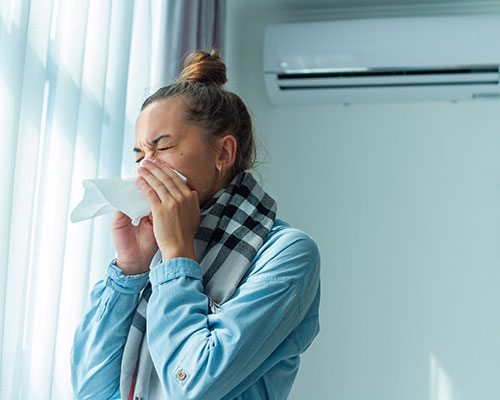
Cold Air
Breathing cold, dry air can narrow the airways and trigger breathing difficulties.

Exercise
Physical activity can sometimes cause temporary airway narrowing, especially in poorly controlled asthma.

Respiratory Infections
Viral infections such as the common cold or flu can worsen existing asthma symptoms.
Types of Asthma
Asthma can affect people in different ways depending on the underlying cause and trigger factors. Identifying the specific type of asthma helps in developing a more effective treatment plan.
Here are the common types of asthma:
Allergic Asthma
This is the most common type of asthma and is triggered by allergens such as pollen, dust mites, mold, or pet dander.
Non-Allergic Asthma
This type develops due to factors such as stress, respiratory infections, weather changes, or strong odors rather than allergens.
Exercise-Induced Asthma
Symptoms such as coughing, wheezing, and shortness of breath occur during or after physical activity.
Occupational Asthma
This develops due to exposure to dust, chemicals, fumes, or other irritants in the workplace.
Severe Asthma
This is a difficult-to-control form of asthma where symptoms persist despite the use of standard treatment and medications.
How is Asthma Diagnosed?
Dr. Abhishek Bali strives to deliver the best asthma treatment in Siliguri by utilizing advanced diagnostic technology to track lung capacity and measure the precise level of tissue inflammation within the airways. Since asthma symptoms are not static, a combination of detailed medical history and physiological lung function tests is used for diagnosis.
Here are the steps typically involved in asthma diagnosis:

Detailed Medical History
A detailed evaluation of specific symptoms, their frequency, and potential genetic or environmental triggers.

Physical Examination
A stethoscope is used to listen closely to your chest for wheezing. In addition, the nasal passages are inspected for signs of respiratory allergies.

Spirometry Testing
This test is done to measure exactly how much air you can exhale and how rapidly you can blow it out.

Bronchodilator Reversibility Test
This is a repeat of the spirometry test after administering an inhaled reliever medication to check if your airway obstruction clears significantly.

FeNO Test
The test measures the concentration of exhaled nitric oxide in your breath to verify the severity of allergic airway inflammation.

Bronchial Challenge Test
This test is performed to monitor your lung function after introducing a mild trigger, such as exercise or specific medicine.

Supplementary Testing
Conducting chest X-rays, CT scans, or blood tests to completely rule out other lung diseases or infections.
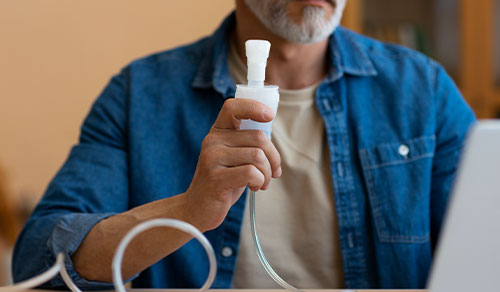
Peak Flow Measurement
This test measures how quickly air can be expelled from the lungs and helps assess the severity of airway narrowing.
Step-By-Step Treatment Approach for Asthma
Dr. Abhishek Bali uses a structured clinical approach designed to treat and manage asthma symptoms. In addition, he prioritizes evidence-based strategies to adjust medications upward or downward based on the severity and frequency of asthma attacks. Here are step-by-step details of what to expect when you choose him for asthma treatment and care:
- Initial Assessment: This is the first step where your daytime breathlessness, nighttime awakenings, and rescue inhaler usage are evaluated. In addition, trigger points are identified during the initial assessment.
- Preventive Daily Management: Low-dose anti-inflammatory inhalers are administered to reduce airway swelling. Relaxant medications with a controller might be combined for mild-to-severe symptoms.
- Immediate Relief: Fast-acting rescue inhalers are used to relax airway muscles during acute attacks. In addition, dual-action low-dose inhalers might be used for rapid relief.
- Continuous Monitoring and Adjustments: If the symptoms remain poorly managed, medication doses are increased. On the other hand, dosages are reduced if the patient maintains stable control for three consecutive months.
Testimonials

Sabita Biswakarma, Siliguri
Varun Rungta, Siliguri
Suman Shankar, Nagrakatta

Frequently Asked Questions
- Q. Can asthma be cured completely? Answer: No, asthma does not have a permanent cure. However, it can be completely managed with the right medical treatment plan.
- Q. Can I participate in physical activities if I have asthma? Answer: Yes, by using a reliever inhaler before working out, you can effectively prevent exercise-induced asthma.
- Q. Can asthma worsen with age? Answer: Yes, asthma can worsen over time if it is not properly managed. Factors such as smoking, repeated respiratory infections, poor medication adherence, and continuous exposure to triggers can increase the severity and frequency of asthma symptoms.
- Q. How to book an asthma consultation with Dr. Abhishek Bali? Answer: For an appointment booking with Dr. Abhishek Bali, you can either call +91 +91 98008 22187 (Dr. Bali’s appointment booking number) or +91 353 352 1700 (Maxwell Hospital’s dedicated appointment booking number).
- Q. What should I do during a sudden asthma attack? Answer: The first thing you must do during a sudden asthma attack is r fast-acting rescue inhaler immediately. In addition, you need to sit upright and try to stay calm. If the problem persists, you should seek emergency medical care.
- Q. Can children develop asthma? Answer: Yes, asthma can affect people of all ages, including children. Common symptoms in children include frequent coughing, wheezing, shortness of breath, and reduced ability to participate in physical activities. Early diagnosis and treatment can help improve symptom control and quality of life.
- Q. What is the difference between a controller and a rescue inhaler? Answer: Controller inhalers are used daily to reduce long-term airway inflammation. On the other hand, rescue inhalers are fast-acting bronchodilators used to address sudden asthma attacks.
Online Enquiry

Dr. Abhishek Bali
MBBS, MD (Respiratory Medicine)
Consultant- Pulmonary Critical Care & Sleep Medicine