

Taking a deep breath should feel effortless. However, if you experience sharp or persistent chest pain every time you inhale, it can be both uncomfortable and alarming. While some causes are relatively minor, others may indicate a serious condition involving the lungs, heart, chest muscles, or digestive system.
The right chest pain while breathing treatment depends on identifying the underlying cause. Ignoring persistent chest pain can delay diagnosis and increase the risk of complications, especially if the pain is accompanied by shortness of breath, fever, dizziness, or coughing up blood.
Why Does My Chest Hurt When I Take a Deep Breath?
Chest pain during deep breathing is commonly caused by inflammation of the lungs, chest wall muscles, ribs, heart lining, or digestive problems like acid reflux. Some conditions are minor, while others, such as pulmonary embolism or a collapsed lung, require immediate emergency care.In this article, you'll learn the most common reasons why your chest hurts when taking a deep breath, available treatment options, preventive measures, and when it is important to seek immediate medical care.
Common Causes of Chest Pain While Taking a Deep Breath
Pleurisy

Pleurisy is the inflammation of the thin membrane that surrounds the lungs and lines the inside of the chest wall. Under normal circumstances, these layers move smoothly over one another during breathing. However, when they become inflamed due to a viral infection, bacterial infection, or autoimmune disease, they rub against each other, causing sharp pain.
The pain usually becomes worse when taking a deep breath, coughing, sneezing, or laughing. Depending on the underlying cause, treatment may include anti-inflammatory medications, antibiotics, or other targeted therapies.
Intercostal Muscle Strain
The muscles located between your ribs, known as the intercostal muscles, play an essential role in breathing. Sudden twisting movements, heavy lifting, intense exercise, or persistent coughing can overstretch or tear these muscles.
When the chest expands during deep inhalation, the injured muscles are stretched, resulting in localized pain. Unlike lung or heart conditions, the discomfort often changes with body position or movement and gradually improves with rest and appropriate treatment.
Costochondritis
Costochondritis occurs when the cartilage connecting the ribs to the breastbone becomes inflamed. This inflammation can develop after repetitive coughing, physical strain, or minor chest injuries.
The pain often feels sharp and may resemble the symptoms of a heart attack. However, it is usually localized and tends to worsen when pressing on the affected area or taking deep breaths. Most cases improve with anti-inflammatory medication, rest, and avoiding activities that aggravate the condition.
Pneumonia
Pneumonia is a lung infection that causes inflammation of the air sacs, which may fill with fluid or pus. As the infection spreads, it can irritate the surrounding lung lining, making every deep breath painful.
Common symptoms include fever, chills, productive cough, fatigue, and shortness of breath. Early diagnosis and treatment are essential to prevent complications. If you develop persistent chest pain along with these symptoms, consulting a chest specialist in Siliguri or a qualified pulmonologist near you is recommended.
Pulmonary Embolism
A pulmonary embolism occurs when a blood clot blocks one of the arteries supplying blood to the lungs. This is a medical emergency that requires immediate treatment.
The pain usually appears suddenly and becomes worse with deep breathing. It is often accompanied by sudden breathlessness, rapid heartbeat, dizziness, or coughing up blood. Prompt medical attention can be lifesaving.
Asthma Flare-Up
Asthma causes chronic inflammation and narrowing of the airways. During a flare-up, the airways become swollen and produce excess mucus, making breathing more difficult.
Deep inhalation forces air through these narrowed passages, leading to chest tightness, discomfort, and sometimes pain. Wheezing, persistent coughing, and breathlessness commonly occur alongside these symptoms. Proper asthma management significantly reduces the risk of recurrent flare-ups.
Pneumothorax (Collapsed Lung)
A pneumothorax develops when air leaks into the space between the lung and the chest wall, causing part or all of the lung to collapse.
This condition typically causes sudden, severe pain on one side of the chest along with difficulty breathing. The pain often worsens when taking a deep breath. Depending on its severity, treatment may range from careful observation to emergency procedures that remove the trapped air and allow the lung to expand again.
Pericarditis
Pericarditis is the inflammation of the protective sac surrounding the heart. As the inflamed layers rub against one another, sharp chest pain develops, especially during deep breathing.
One characteristic feature is that the pain often becomes worse while lying flat but improves when sitting upright or leaning slightly forward. Medical evaluation is necessary to determine the underlying cause and begin appropriate treatment.
Gastroesophageal Reflux Disease (GERD)
Not all chest pain originates from the lungs or heart. Gastroesophageal reflux disease (GERD) can also cause chest discomfort when stomach acid repeatedly flows back into the esophagus.
Although the pain is commonly described as a burning sensation, some individuals may notice increased discomfort while taking a deep breath, particularly after eating large meals or lying down soon after eating. Lifestyle changes and acid-reducing medications usually help control the symptoms.
How Is Chest Pain While Breathing Diagnosed?
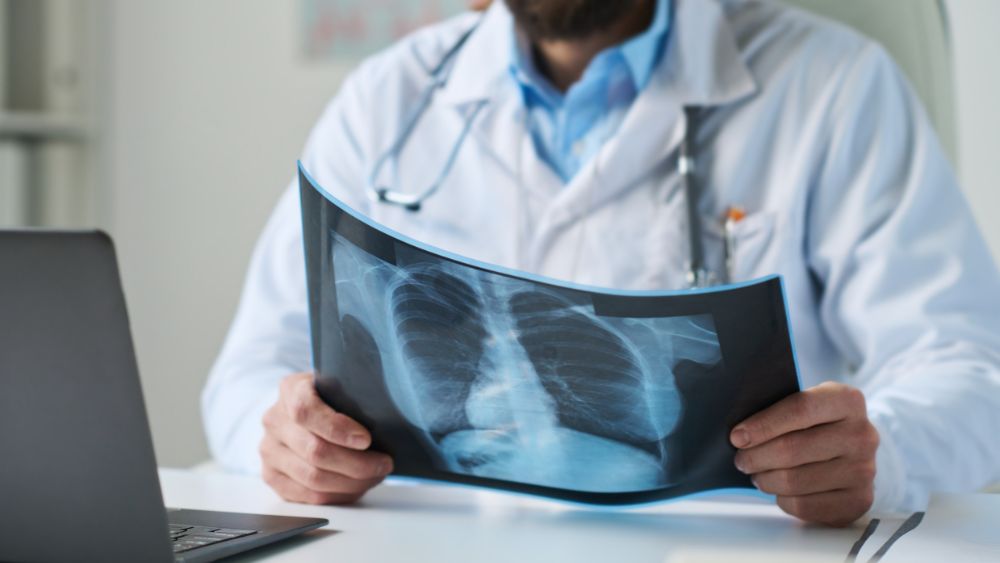
Since chest pain while breathing can have several possible causes, an accurate diagnosis is essential before starting treatment. Your doctor will begin by discussing your symptoms, medical history, and any recent illnesses or injuries. This is usually followed by a physical examination to assess your breathing, heart sounds, and chest tenderness.
Depending on the suspected cause, your doctor may recommend one or more diagnostic tests, including:
- Chest X-ray: Helps identify pneumonia, a collapsed lung, or other lung abnormalities.
- CT Scan: Provides detailed images of the lungs and blood vessels and is often used to detect pulmonary embolism or other complex conditions.
- Electrocardiogram (ECG): Evaluates the heart's electrical activity to rule out heart-related causes of chest pain.
- Blood Tests: Can help detect infections, inflammation, or markers of heart damage and blood clots.
- Pulmonary Function Tests: Measure how well your lungs work and are useful in diagnosing asthma and other chronic respiratory diseases.
A timely diagnosis helps ensure you receive the most appropriate chest pain while breathing treatment and prevents potential complications.
Can Chest Pain While Breathing Be Prevented?
While not every cause of chest pain while breathing can be prevented, healthy lifestyle habits and proper management of existing medical conditions can significantly reduce your risk.
Here are some practical steps you can take:
- Stay up to date with vaccinations: Vaccines such as the influenza and pneumococcal vaccines help reduce the risk of respiratory infections that may lead to chest pain.
- Quit smoking: Smoking damages the lungs and increases the risk of chronic respiratory diseases, infections, and inflammation. Quitting smoking is one of the most effective ways to protect your lung health.
- Maintain a healthy weight: A healthy weight supports better heart and lung function while reducing the risk of conditions such as acid reflux and cardiovascular disease.
- Exercise regularly: Moderate physical activity strengthens the heart, lungs, and respiratory muscles. It also improves overall lung capacity and cardiovascular fitness.
- Keep asthma under control: If you have asthma, take your prescribed medications regularly and avoid known triggers to reduce the risk of painful flare-ups.
- Treat respiratory infections early: Do not ignore symptoms such as persistent cough, fever, or breathing difficulty. Early medical treatment can prevent complications that may cause chest pain during breathing.
Although these preventive measures can lower your risk, they cannot eliminate it completely. If you experience sudden or persistent chest pain, seek medical evaluation without delay.
Also Read:-
Reasons Behind Shortness of Breath Explained
Respiratory Failure Specialist in Siliguri
Frequently Asked Questions (FAQs)
1. Is chest pain while taking a deep breath always serious?
Not always. It may result from muscle strain or inflammation, but it can also indicate serious conditions such as pneumonia, pulmonary embolism, or a collapsed lung. Persistent or severe symptoms should always be evaluated by a doctor.
2. Which doctor should I consult for chest pain while breathing?
A pulmonologist or chest specialist in Siliguri, such as Dr. Abhishek Bali, can diagnose and treat lung-related causes of chest pain. Depending on the diagnosis, you may also be referred to a cardiologist or another specialist.
3. Can pneumonia cause chest pain during deep breathing?
Yes. Pneumonia can inflame the lungs and surrounding tissues, causing sharp chest pain that often becomes worse when taking a deep breath.
4. Can acid reflux cause chest pain while breathing?
Yes. Gastroesophageal reflux disease (GERD) may cause chest discomfort or a burning sensation that can worsen during deep breathing, especially after meals or while lying down.
Final Thoughts
Experiencing sudden chest pain when you take a deep breath can make you feel deeply worried or anxious. This makes it important to understand the underlying mechanisms of your body causing such pain. Generally, a sharp pain during a deep breath is caused by a structural or inflammatory issue. However, you should never ignore persistent or severe chest pain while breathing. Dr. Abhishek Bali is an experienced pulmonologist managing asthma, pneumonia, COPD, pleural diseases, lung infections, and other respiratory conditions. With an accurate diagnosis and personalized treatment plan, he helps patients receive timely care for a wide range of respiratory illnesses. Book an appointment with Dr. Abhishek Bali for an accurate diagnosis and personalized treatment.
