


People may notice it while climbing a flight of stairs you generally accomplish smoothly. Perhaps a cough breaks your sleep, your chest feels unusually tight after a short stroll, or you find yourself catching your breath more often than usual. These changes are nothing to ignore; do speak with your doctor for a health evaluation.
Dramatic symptoms are not often the first signs of many lung and respiratory issues. Asthma, respiratory infections, chronic obstructive pulmonary disease (COPD), etc., can all develop gradually, making it simple to ignore early warning signs. The best chest doctor in Siliguri ensures complete patient-centric respiratory care to support recovery.
A pulmonologist, or a chest specialist, can assist you in this situation. These experts diagnose and treat diseases of the respiratory system, airways, and lungs, providing preventive care support.
A Chest Doctor Overview
An expert in diagnosing and treating illnesses of the lungs and respiratory system is known as a chest doctor. Pulmonologists assess issues related to breathing, airflow, lung function, and the structures that exchange oxygen.
For respiratory concerns such as the following, see a chest specialist:
- Recurrent wheeze and asthma
- COPD and chronic bronchitis
- Lower respiratory diseases, including pneumonia
- Tuberculosis (TB)
- Lung illnesses that are interstitial
- Breathing problems associated with sleep
- Unexplained dyspnea and a persistent cough
- Some lung disorders related to the workplace or environment
7 Signs to See a Chest Doctor
1. Your Cough Stays Longer Than Expected
Coughing is very normal, a reaction that clears your airways of mucus and irritants. But if a cough persists after an illness has cleared up or keeps coming back, you must not ignore it.
A cough that lasts longer than 8 weeks is typically regarded as chronic in adults. Now, based on the intensity and accompanying symptoms, a cough lasting 3 to 8 weeks may also require evaluation.
Asthma, allergies, acid reflux, persistent infections, COPD, and other respiratory disorders are potential reasons.
2. You Have Shortness of Breath
You shouldn't automatically blame breathlessness on getting older, gaining weight, or not exercising. Breathing difficulties may be a sign of an underlying medical issue, like a respiratory issue, anxiety, or heart conditions. However, age can be a factor. Chest pain while breathing treatment may be of high importance based on diagnosis.
When walking, ascending stairs, lying flat, or carrying out daily tasks, you may experience dyspnea. While some people only sense it while they are physically active, others do so even when they are at rest. If dyspnea is new, ongoing, getting worse, or out of proportion to your activity level, schedule a medical visit.
3. As You Breathe, You Hear Wheezing
Wheezing is a whistling sound that can happen when the airways shrink or become inflamed; it is usually heard during exhalation. Generally, this is linked to asthma, allergic responses, COPD, respiratory infections, and other airway issues can also be responsible for it.
Wheezing starting occasionally may need expert attention again, even if it goes away on its own with time. Frequent bouts could be a sign that your airways need to be assessed or may result from angina.
4. You Get Chest Infections Often
An underlying issue may result from recurrent episodes of pneumonia, bronchitis, or other lower respiratory infections. Asthma, COPD, bronchiectasis, compromised immunity, and other structural lung disorders, for instance, can raise the risk of recurrent/ ongoing infections or respiratory symptoms.
If infections frequently take longer than usual to clear up, your cough continues in between bouts, or you frequently create a lot of mucus, please pay attention. A chest specialist can help detect relevant variables and determine whether additional examination is vital.
5. You Breathe with Pain or Tightness in Your Chest
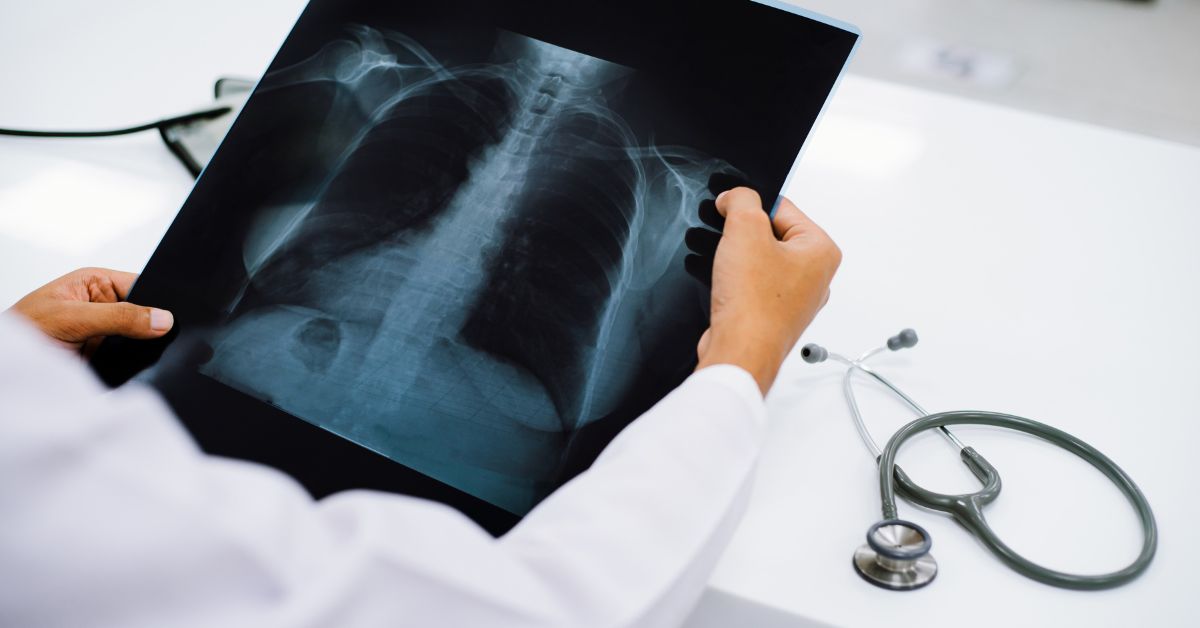
Muscle strain, respiratory infections, lung inflammation, asthma, and other illnesses are some of the prominent reasons for chest discomfort.
Inflammation of the lungs or nearby tissues may be the cause of pain that intensifies during deep breathing or coughing. However, the etiology cannot be consistently determined by symptoms alone. The fact is, heart diseases and blood clots in the lungs can also produce chest discomfort; hence, this discomfort needs medical attention.
6. You Experience Unexpected Weight Loss or Cough Up Blood
Even tiny amounts of blood in your sputum demand expert attention. It might result from an infection or irritated airway, but it can also be linked to lung cancer, bronchiectasis, pulmonary embolism, or tuberculosis.
Similarly, prolonged fatigue, decreased appetite, unexplained weight loss, and a persistent cough may all need to be investigated, especially if many symptoms coexist.
You do not necessarily have a risky illness if you have these symptoms. Early evaluation, however, can help detect the cause and prevent needless treatment delays.
7. You Smoke or Have Long-Term Exposure to Dust & Pollution
Recurrent exposure to harmful substances might cause respiratory challenges to develop gradually. Lung health can suffer due to smoking, second-hand smoke, industrial dust, chemical fumes, smoke from biomass fuels, and air pollution.
There may be increased occupational dangers for those who work in manufacturing, mining, construction, and other industrial settings. Persistent respiratory symptoms need expert care, such as from a chest physician in Siliguri or near you, who can also decide whether lung function testing or other tests matter here.
How to Keep Your Lungs Healthy?
A few vital practices can promote respiratory health besides proper medical care:
- If you want to stop smoking, stay away from it and get help.
- Minimize your exposure to indoor air pollution, dust, and fumes.
- When working in high-risk environments, wear the necessary protective gear.
- As advised by your doctor, stay up to date on your vaccines.
- Maintain your level of physical activity.
- Attend suggested follow-up appointments and adhere to the recommended course of therapy.
- Avoid steroids, antibiotics, and inhalers without the proper medical supervision.
Most crucially, pay attention to changes in your typical breathing pattern.
Final Words
You shouldn't only learn to put up with your breathing every day. Consult the best chest doctor in Siliguri if you have a persistent cough, recurrent chest infections, unexplained wheezing, or dyspnea during daily activities.
While minor respiratory concerns may improve with time, persistent or increasing symptoms need to be diagnosed by a physician, such as Dr. Abhishek Bali, and sudden breathing difficulties require emergency care.
FAQs
1. When should a cough be treated by a chest doctor?
Book an appointment with a doctor if your cough gets worse, lasts for several weeks, or is accompanied by blood, fever, dyspnea, or unexplained weight loss.
2. Are pulmonologists and chest physicians the same?
Diagnosing and treating illnesses of the lungs and respiratory system is the specialty of a pulmonologist.
3. Can I see a chest physician if I have asthma?
Pulmonologists diagnose asthma, evaluate symptom control, and suggest the right treatment.
4. Is a chest X-ray vital for every respiratory issue?
Based on your symptoms and assessment, the doctor decides whether imaging or other tests are required.
5. Is unexpected shortness of breath a medical emergency?
Immediate medical attention is essential for sudden or severe dyspnea, especially if it is accompanied by chest pain or fainting.
