A low oxygen level in the blood is a medical condition known as hypoxemia. It occurs when your blood cannot carry enough oxygen to meet your body's needs. Oxygen is essential for every organ, tissue, and cell to function properly. When oxygen levels fall, the body may struggle to perform normal activities, and serious health complications can develop if the condition is left untreated.
Normal oxygen saturation levels measured using a pulse oximeter generally range from 95% to 100%. On an arterial blood gas (ABG) test, a normal partial pressure of oxygen (PaO₂) typically ranges between 75 and 100 mm Hg. An oxygen saturation reading below 90% is generally considered low and may require prompt medical evaluation, especially if it is accompanied by symptoms such as shortness of breath or chest discomfort.
Treatment for low oxygen levels depends on the severity of the condition and its underlying cause. In some cases, supplemental oxygen may be provided through a nasal cannula or oxygen mask to help restore normal oxygen levels while the root cause is being treated.
Why Do Low Oxygen Levels Occur?
Oxygen levels can drop when the lungs are unable to absorb enough oxygen or when the bloodstream cannot efficiently deliver oxygen throughout the body. Several medical conditions and environmental factors can contribute to hypoxemia.
Some of the most common causes include:
- Chronic Obstructive Pulmonary Disease (COPD): A long-term lung condition that makes breathing difficult and reduces oxygen exchange.
- Severe Asthma: Inflamed and narrowed airways can restrict airflow and lower oxygen levels.
- Pneumonia: Lung infections can fill the air sacs with fluid or pus, making oxygen transfer more difficult.
- Bronchitis: Persistent airway inflammation may affect normal breathing and oxygen intake.
- Pulmonary Fibrosis: Scarring of lung tissue reduces the lungs' ability to transfer oxygen into the bloodstream.
- High Altitude Exposure: Oxygen availability decreases at higher elevations, making it harder for the body to obtain sufficient oxygen.
- Pneumothorax (Collapsed Lung): Air trapped between the lung and chest wall can prevent the lung from expanding properly.
- Sleep Apnea: Repeated pauses in breathing during sleep can lead to drops in oxygen levels.
- Heart Conditions: Certain cardiovascular diseases can affect blood circulation and oxygen delivery.
- Medication Effects: Opioid pain medications, sedatives, and other drugs may slow breathing and contribute to low oxygen levels.
Common Risk Factors for Low Oxygen Levels
Certain factors can increase the likelihood of developing low oxygen levels (hypoxemia). Understanding these risks can help you take preventive measures and seek medical attention when needed.
- Smoking: Smoking damages the lungs and reduces their ability to absorb oxygen efficiently.
- Chronic Lung Diseases: Conditions such as COPD, asthma, pulmonary fibrosis, and bronchiectasis can interfere with normal oxygen exchange.
- Obesity: Excess body weight may affect breathing mechanics and increase the risk of low oxygen levels, particularly during sleep.
- Sleep Apnea: Repeated pauses in breathing during sleep can cause oxygen levels to drop significantly overnight.
- Heart Disease: Certain heart conditions can reduce the body's ability to circulate oxygen-rich blood effectively.
- Advanced Age: Age-related changes in lung function may increase the risk of breathing difficulties and lower oxygen levels.
- Exposure to Air Pollution: Long-term exposure to pollutants, dust, smoke, and harmful chemicals can negatively affect lung health.
- Previous Lung Infections: A history of severe pneumonia, tuberculosis, or other respiratory infections may lead to lasting lung damage that impacts oxygen levels.
If you have one or more of these risk factors and experience symptoms such as shortness of breath, fatigue, dizziness, or persistent coughing, consult a healthcare professional for a proper evaluation.
Warning Symptoms to Watch For

When your body does not receive enough oxygen, it often sends warning signals that should not be ignored. Symptoms may develop gradually or appear suddenly depending on the underlying cause.
Common symptoms of low oxygen levels include:
- Shortness of breath during activity or even at rest
- Rapid breathing
- Chest tightness or discomfort
- Persistent coughing
- Fatigue or weakness
- Dizziness or lightheadedness
- Confusion or difficulty concentrating
- Headaches
- Rapid heartbeat (tachycardia)
- Anxiety or restlessness
In more serious cases, a bluish or grey discoloration of the lips, tongue, fingertips, or nail beds may occur, indicating inadequate oxygenation. If you experience severe breathing difficulty, chest pain, confusion, or blue discoloration of the skin, seek immediate medical attention.
What Happens If Low Oxygen Levels Are Left Untreated?
Oxygen is essential for the proper functioning of every organ in the body. When oxygen levels remain low for an extended period, complications can develop.
Potential consequences of untreated hypoxemia include:
- Reduced brain function and confusion
- Memory and concentration problems
- Increased strain on the heart
- Irregular heart rhythms
- Fatigue and reduced physical performance
- Organ damage in severe cases
- Increased risk of respiratory failure
Early diagnosis and treatment can help prevent these complications and improve overall health outcomes.
How Doctors Diagnose the Root Cause
If low oxygen levels are suspected, healthcare professionals use several tests to determine the cause and severity of the condition.
Pulse Oximetry
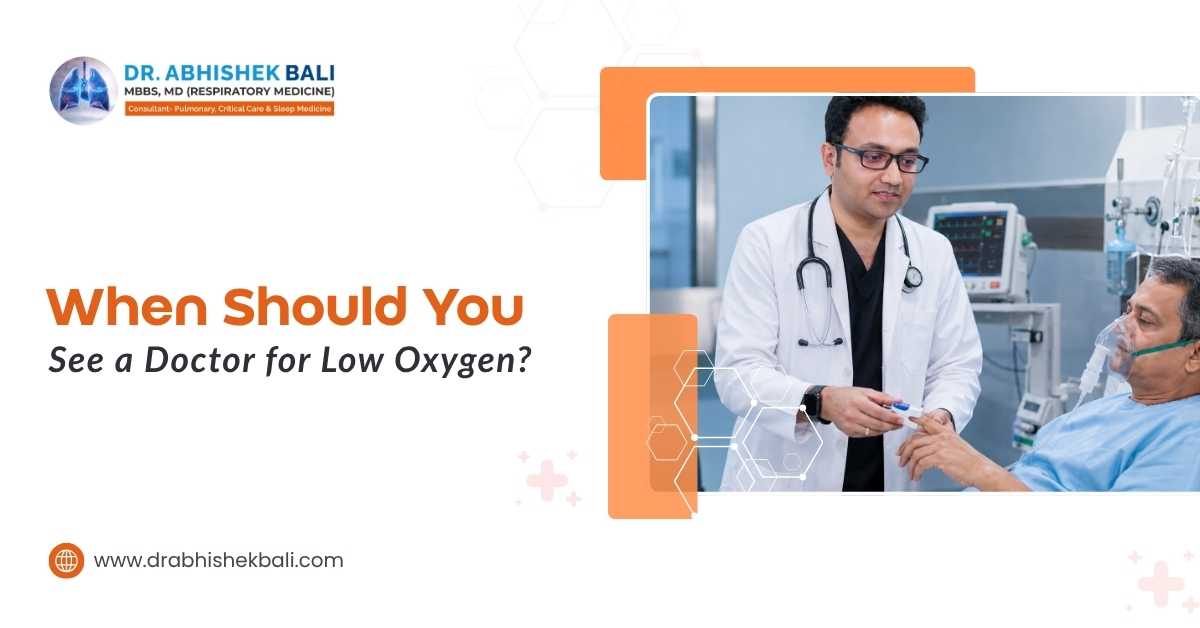
One of the first tests performed is pulse oximetry. A small, painless device called a pulse oximeter is placed on the finger to measure oxygen saturation levels in the blood.
Arterial Blood Gas (ABG) Test
An arterial blood gas test provides a more detailed assessment of oxygen and carbon dioxide levels in the bloodstream. It helps healthcare providers evaluate how well the lungs are functioning.
Chest X-ray
A chest X-ray allows doctors to identify infections, lung collapse, fluid accumulation, or other structural abnormalities affecting breathing.
CT Scan
In certain cases, a CT scan may be recommended to obtain detailed images of the lungs and surrounding structures.
Blood Tests
Blood tests can help identify infections, inflammation, anemia, or other conditions contributing to low oxygen levels.
Once the underlying cause has been identified, a personalised treatment plan can be developed.
Oxygen Problem Treatment Options
Treatment depends on the severity of hypoxemia and the condition causing it. The primary goal is to restore normal oxygen levels while addressing the underlying health issue.
1. Supplemental Oxygen Therapy
Supplemental oxygen therapy increases the amount of oxygen available to the lungs and bloodstream. Oxygen may be delivered through:
- Nasal cannula
- Face mask
- High-flow oxygen systems
This treatment helps improve oxygen saturation and reduce symptoms such as breathlessness.
2. Medications
Healthcare professionals may prescribe medications depending on the underlying condition, including:
- Bronchodilators to open narrowed airways
- Corticosteroids to reduce inflammation
- Antibiotics for bacterial lung infections
- Other medications tailored to specific respiratory conditions
3. Pulmonary Rehabilitation
Pulmonary rehabilitation combines exercise training, breathing techniques, education, and lifestyle modifications to improve lung function and overall quality of life.
4. Treatment of Underlying Conditions
Managing chronic diseases such as COPD, asthma, heart disease, or sleep apnea is essential for maintaining healthy oxygen levels.
5. Mechanical Ventilation
In severe cases of respiratory failure, mechanical ventilation may be required to support breathing and ensure adequate oxygen delivery.
Advanced Diagnostic Procedures Performed by Pulmonologists
Pulmonologists may use advanced diagnostic procedures to identify the cause of low oxygen levels and determine the most effective treatment approach.
Pulmonary Function Test (PFT)
Pulmonary function tests, including spirometry, measure lung capacity, airflow, and oxygen exchange efficiency. These tests help diagnose conditions such as asthma, COPD, and pulmonary fibrosis.
Bronchoscopy and Endobronchial Ultrasound (EBUS)
Bronchoscopy allows specialists to examine the airways and collect tissue or fluid samples when necessary. EBUS provides additional imaging support for evaluating lung and lymph node abnormalities.
Polysomnography (Sleep Study)
Polysomnography is an overnight sleep study used to diagnose sleep-related breathing disorders such as obstructive sleep apnea, which can contribute to nighttime oxygen drops.
Critical Care Ventilation Assessment
For patients with severe respiratory distress, specialised critical care evaluations help determine the need for advanced breathing support.
Simple Daily Habits to Protect Your Lungs
Healthy lifestyle choices can support respiratory function and help reduce the risk of future oxygen-related complications.
Focus on Clean Air
Keep your living environment well ventilated. Open windows when possible, use air purifiers, and avoid exposure to smoke, dust, and harmful chemicals.
Practise Deep Breathing Exercises
Spend a few minutes each day performing slow, deep breathing exercises. These exercises can help improve airflow and support lung function.
Stay Hydrated
Drinking enough water may help keep respiratory secretions thinner and easier to clear, supporting healthy airways.
Stay Physically Active
Regular physical activity such as walking, cycling, yoga, or light exercise helps improve cardiovascular fitness and oxygen utilisation.
Avoid Smoking
Smoking significantly damages lung tissue and reduces oxygen absorption. Quitting smoking can greatly improve respiratory health.
Follow Medical Advice
Take prescribed medications as directed and attend follow-up appointments to monitor your lung health.
Also Read:-
Why Does My Chest Hurt When I Take a Deep Breath?
When Should You Seek Professional Guidance?

Monitoring oxygen levels at home can be useful, but consistently low readings should never be ignored.
Consult a pulmonologist if:
- Oxygen saturation consistently remains between 92% and 94%
- You experience persistent shortness of breath
- You have a chronic cough that does not improve
- You frequently feel fatigued or dizzy
- You have recurring respiratory infections
- You notice a decline in your exercise tolerance
Early medical evaluation can help identify underlying issues before they become more serious.
Frequently Asked Questions About Low Oxygen Levels
1) What oxygen level is considered dangerous?
An oxygen saturation level below 90% is generally considered low and may require prompt medical evaluation. Severe symptoms alongside low readings may require emergency medical attention.
2) Can low oxygen levels improve on their own?
Mild and temporary drops may improve once the underlying cause resolves. However, persistent low oxygen levels should always be evaluated by a healthcare professional.
3) Is oxygen therapy permanent?
Not always. Some individuals require oxygen therapy only during recovery from an illness, while others with chronic lung diseases may need long-term support.
4) When should I visit a pulmonologist?
You should consult a pulmonologist in siliguri if you experience chronic breathlessness, recurring respiratory infections, persistent coughing, or consistently low oxygen levels.
Final Thoughts
Low oxygen levels should never be ignored. While symptoms may initially seem mild, persistent hypoxemia can affect multiple organs and lead to serious health complications if left untreated. Understanding the causes, recognising warning signs, and seeking timely medical care are essential steps toward protecting your respiratory health.
To receive accurate low oxygen level treatment and personalised respiratory care, consulting an experienced pulmonologist is an important step. Specialists like Dr. Abhishek Bali can evaluate the underlying cause of low oxygen levels using advanced diagnostic tests and recommend the most suitable treatment plan. If you are experiencing persistent breathlessness, chronic cough, unexplained fatigue, or repeatedly low oxygen readings, seeking early medical attention can help prevent complications and improve your long-term lung health.
Medical Disclaimer: This article is intended for educational and informational purposes only and should not be considered a substitute for professional medical advice, diagnosis, or treatment. Always consult a qualified healthcare professional regarding any symptoms or concerns related to your respiratory health.
