

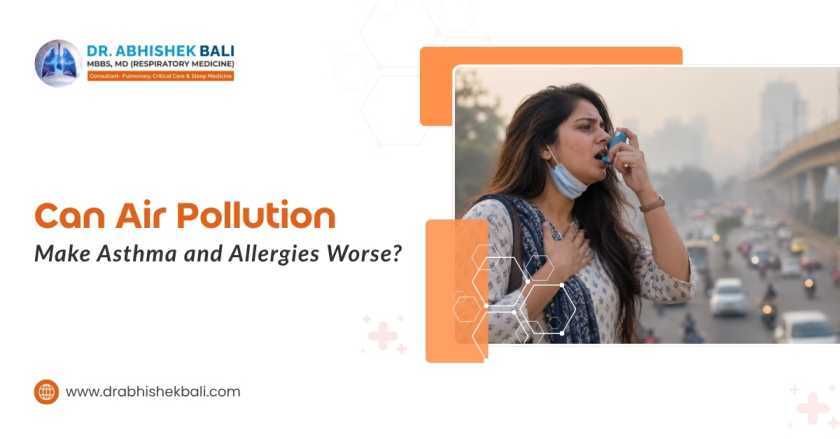
A sunny morning can quickly turn uncomfortable for you when traffic fumes, dust, or smoke fill the air. A person who normally enjoys a morning walk may suddenly start sneezing, with watery eyes, coughing, or chest tightness. These symptoms get worse when you travel to extremely polluted places.
You start wondering why your asthma is suddenly getting worse. In this situation, an Allergy and Asthma Specialist in Siliguri can help improve your health. You’ll understand how polluted air affects your sensitive airways and how air pollution can make your health worse. Before visiting a specialist, this blog will provide you with all the necessary information that you should know prior to your appointment.
How does air pollution affect the airways?
Your respiratory system is designed to filter the air you breathe in, but there are certain microscopic pollutants that can penetrate deeper parts of your respiratory system.
Common pollutants in the atmosphere are:
● PM2.5 and PM10 - traffic, construction, burning, and industrial activity
● Nitrogen dioxide - vehicular and fuel combustion emissions
● Ozone - chemical reaction in the atmosphere
● Sulfur dioxide and smoke - combustion sources
The pollutants can irritate the lining of the nose, throat, and lungs. In Asthma, this irritation can lead to narrowing of the sensitive airways and increased coughing, wheezing, or breathlessness.
WHO identifies particulate matter, ozone, nitrogen dioxide, sulfur dioxide, and carbon monoxide among the major pollutants that affect health.
How can pollution cause Asthma symptoms?
Asthma occurs when the linings of the airways are inflamed and sensitive. Air pollution can contribute to this sensitivity and irritation. Some common symptoms are:
● Increased coughing, especially outdoors
● Wheezing or a whistling sound while breathing
● Chest tightness and breathlessness, especially during physical activity
● Increased use of a reliever inhaler due to these symptoms
People are sensitive to different pollutants and to different extents. Some people notice the symptoms after just a few hours of exposure, while others may need to be exposed to pollution for a longer time. Children, older people, and people prone to respiratory allergies tend to be more sensitive.
The US EPA reports that particle pollution can increase airway inflammation and respiratory symptoms, particularly among people with asthma. This explains why polluted days can feel noticeably different for people with sensitive lungs.
Can Pollution Worsen Allergies?
Respiratory allergies occur due to the body's response to a variety of airborne substances like pollen, mites, mold, or pet dander.
While air pollution does not directly cause allergies, it can increase the body's response to irritants. Traffic-related pollutants can irritate the nasal lining and increase inflammation.
Studies indicate that the pollutants can enhance the effects of pollen, resulting in stronger responses like persistent sneezing, a stuffy or runny nose, and itchy eyes or throat. The interconnected system of the nose and the lungs makes it possible for nasal inflammation to aggravate Asthma symptoms.
When Should You Explore Asthma Treatment in Siliguri?
While it is important not to panic over occasional flare-ups, you must explore medical options if coughing, wheezing, and breathlessness disrupt your sleep or ability to perform routine physical activity.
The symptoms could indicate an individual sensitivity, and treatment could help you stay away from aggravating triggers and treat flare-ups.
Treatment varies from person to person. A doctor will assess your symptoms and lung function and possibly your personal and family history of Asthma, allergies, or breathing problems before recommending suitable medication.
Your treatment also depends on your symptoms:
● You may need an inhaler to quickly control symptoms like acute breathlessness.
● Medication to prevent flare-ups might also be necessary.
● You may be able to control symptoms better if you follow an Asthma management plan.
● In case of coexisting allergies, treatment could involve controlling nasal inflammation or avoiding allergens.
● You should always follow your medical prescriptions, including the use of an inhaler.
Good control of Asthma means minimal symptoms, reduced flare-ups, and inflammation.
How can you limit your exposure to pollution?
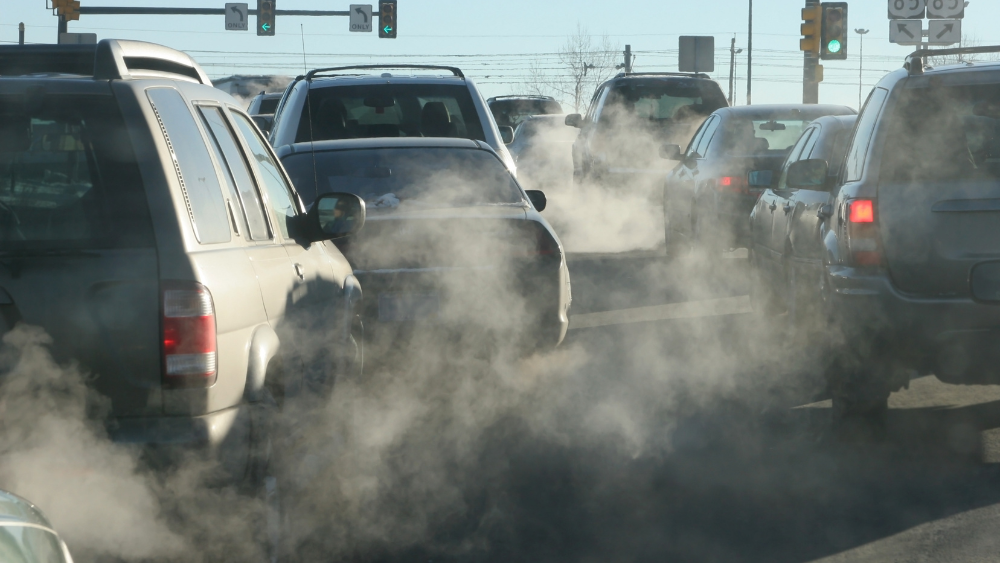
You cannot always control the levels of pollution outdoors. However, you can take a few steps to reduce your exposure to polluted air.
Some steps you can take:
● Check the local air quality forecast before heading out on a prolonged walk or outdoor activity.
● Avoid strenuous exercise near busy roads on days when the air quality is poor.
● Keep windows closed on days with severe pollution and open them when the air quality has improved.
● Avoid smoking and avoid passive smoke.
● Control dust indoors and eliminate sources of mold
● Ventilate the kitchen while cooking to clear smoke and fumes.
Indoor air can also affect sensitive airways. Mold, dust, tobacco smoke, cleaning product fumes, and cooking smoke can all trigger flare-ups. You must reduce your exposure to indoor irritants even if the outdoor air is free of pollution.
Why Local Air Quality Matters
Air quality can change throughout the day. Traffic peaks, construction activity, weather conditions, and smoke can influence exposure. Instead of relying only on how the sky looks, check a reliable air quality source when you plan outdoor exercise.
People who notice a clear connection between pollution and symptoms can discuss that pattern during a medical consultation and build practical precautions around it for better control.
Can Children be More Sensitive?
Children have a higher rate of breaths per body weight and often spend more time outdoors. Their lungs also continue to develop through early adulthood. Pollution can, therefore, be a greater concern for children with Asthma or respiratory allergies.
If you are a parent or guardian of a child with Asthma, you can look out for patterns of flare-ups.
Avoid jumping to conclusions every time your child has a coughing fit, but do keep track of symptoms that tend to occur more often after being outdoors, near traffic, construction sites, or smoke.
If a child has repeated night-time coughing or wheezing during play, you must get him or her evaluated by a medical professional.
When Should You See a Lung Specialist in Siliguri?
Not every episode of sneezing requires specialist care. However, recurring respiratory symptoms deserve attention, especially when they interfere with daily life. Some situations that require a medical assessment are:
● Repeated episodes of wheezing
● Breathlessness and shortness of breath on routine activity
● A persistent or recurring cough
● Persistent or recurring night-time symptoms
● Recurring chest tightness
● Symptoms which tend to worsen on a polluted day
● Increasing need for a reliever inhaler
Seek help from a Pulmonologist in Siliguri for emergency medical treatment if wheezing or breathlessness becomes severe, if you cannot speak comfortably because of shortness of breath, and if your lips or face turn blue. Similarly, if you do not get the expected relief from an inhaler or prescribed medicine, always seek emergency medical treatment.
What does a Pulmonologist look for?
A chest specialist in Siliguri examining you for Asthma can help differentiate between Asthma and other diseases that can cause similar symptoms. Many conditions, for instance, can cause coughing, including allergies, infections, acid reflux, or other respiratory illnesses.
An examination can assist with determining:
● Whether Asthma is likely to be the cause
● Whether allergies are contributing factors
● The most important triggers
● If lung function tests are needed
● If treatment is providing adequate control
The aim is to reduce flare-ups and provide control so you can breathe comfortably and reduce triggers wherever possible.
Final Thoughts
Air pollution is not just an environmental concern - it can have immediate effects on sensitive airways. Keeping track of air quality and taking preventive measures against the effects of pollution are essential to managing Asthma.
Exploring the underlying causes of recurring symptoms can help you identify triggers and control Asthma. If you are looking for an Allergy and Asthma Specialist in Siliguri, you can always consult Dr Abhishek Bali for suitable treatment options.
FAQs
1. Can air pollution cause asthma?
Pollution can contribute to asthma development and trigger or worsen symptoms in susceptible people. Asthma usually involves several factors, including genetics and environmental exposure.
2. Does an air purifier help with Asthma?
A suitable purifier may reduce some airborne particles indoors, but it cannot replace prescribed treatment. Reducing smoke, dust and mould remains important.
3. Should I exercise when pollution levels are high?
Consider moving strenuous exercise indoors or choosing a time when air quality improves. People with asthma should follow their individual medical advice.
4. Can pollution worsen allergic rhinitis?
Yes, pollutants can irritate the nasal lining and may intensify inflammation, making symptoms such as sneezing, congestion, and watery eyes more troublesome.
5. When does breathing difficulty become an emergency?
Severe breathlessness, difficulty speaking, bluish lips or face, confusion, or poor response to prescribed rescue treatment require urgent medical attention.