Clinical Areas & Specialties

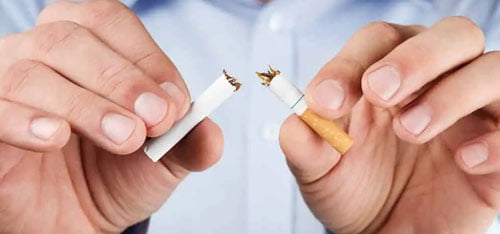








Tobacco Cessation & Respiratory Health
Tobacco smoke contains carcinogens and respiratory irritants that increase the risk of lung malignancy, chronic obstructive pulmonary disease, and cardiovascular illness, while secondhand smoke affects bystanders. Smoking cessation reduces long-term respiratory and systemic health risks.
Clinical Support for Smoking Cessation
Nicotine dependence often requires structured medical intervention alongside behavioral strategies. Patients seeking assistance with smoking cessation can schedule a clinical consultation for individualized evaluation, counseling, and evidence-based pharmacotherapy options.
Schedule ConsultationFrequently Asked Questions
Q. How can a pulmonologist help me?
A pulmonologist specializes in the diagnosis and medical management of diseases affecting the lungs and respiratory tract, including asthma, chronic bronchitis, respiratory infections, chronic obstructive pulmonary disease (COPD), emphysema, and tuberculosis.
Q. When should you consult a pulmonologist?
A consultation with a pulmonologist may be appropriate when respiratory symptoms are persistent, complex, or require specialized diagnostic evaluation. Common indications include:
- A persistent or severe cough lasting more than three weeks
- Chest pain or chest tightness
- Dizziness, lightheadedness, or syncope
- Shortness of breath (dyspnea), particularly during physical exertion
- Unexplained fatigue associated with breathing difficulty
- Wheezing or noisy breathing
- Recurrent lower respiratory tract infections or bronchitis
- Difficulty achieving symptom control or identifying triggers in asthma
Q. What should I expect during a pulmonology consultation?
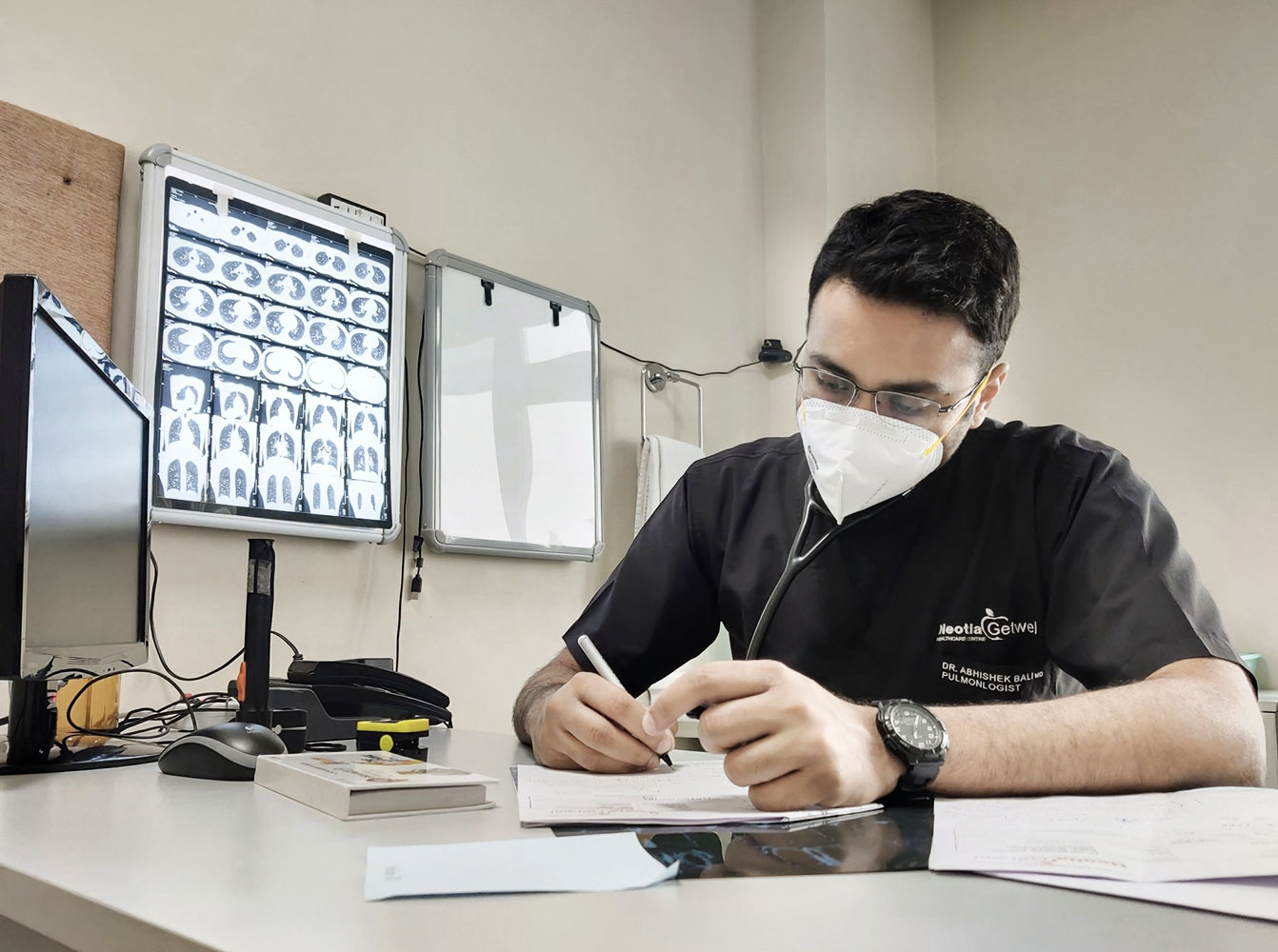
During a consultation, the pulmonologist reviews your medical history, symptom duration, and relevant exposures, followed by a physical examination. Based on clinical findings, diagnostic investigations such as imaging or lung function tests may be recommended to establish a diagnosis and formulate an individualized management plan.
Q. What conditions do pulmonologists evaluate and manage?
Pulmonologists evaluate and manage a broad spectrum of respiratory and thoracic conditions, including:
- Asthma
- Cystic fibrosis (an inherited disorder causing thickened mucus accumulation in the lungs and other organs)
- COPD (including emphysema and chronic bronchitis, characterized by progressive airflow limitation)
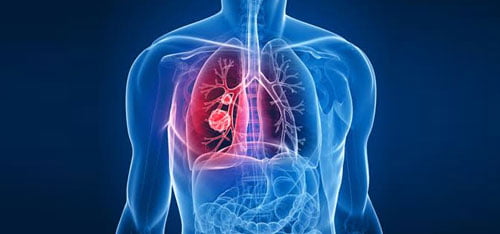
- Thoracic and lung malignancies
- Interstitial lung disease and pulmonary fibrosis (conditions involving parenchymal inflammation and scarring)
- Tuberculosis and pulmonary infections
- Occupational lung diseases (associated with workplace exposure to asbestos, silica, or coal dust)
Q. What diagnostic and therapeutic procedures do pulmonologists perform?
Pulmonologists utilize and interpret diagnostic imaging, physiological tests, and minimally invasive procedures to evaluate respiratory disorders, including:
- Chest CT scan for cross-sectional imaging of lung parenchyma, airways, pleura, and mediastinal structures
- Chest fluoroscopy to assess diaphragmatic movement and dynamic lung mechanics
- Thoracic ultrasound to evaluate pleural fluid and chest wall structures
- Pleural biopsy to obtain tissue samples from the pleural membrane for histopathological analysis
- Pulmonary function tests (spirometry, lung volumes, and diffusion capacity) to assess ventilatory mechanics and gas exchange
- Pulse oximetry to measure peripheral arterial oxygen saturation
- Thoracentesis to aspirate and analyze fluid from the pleural space
- Intercostal chest tube insertion to drain air (pneumothorax) or fluid from the pleural cavity
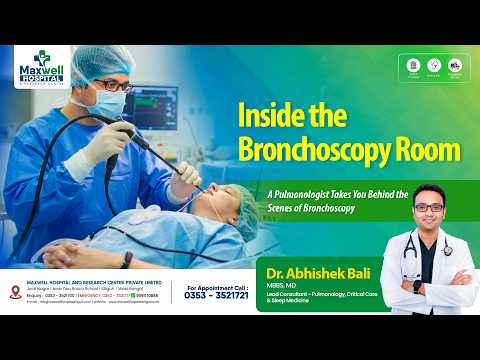
- Bronchoscopy to directly visualize the upper and lower airways and collect diagnostic samples
- Polysomnography (sleep study) to evaluate sleep-related breathing disorders such as obstructive sleep apnea
Watch Videos About Pulmonology
Patient Education: Proper Use of a Metered-Dose Inhaler (MDI)

Role of a Pulmonologist and Indications for Respiratory Consultation

Respiratory Protection and Dust Exposure Precautions During Construction
Health Effects of Tobacco Smoke and Understanding the Smoking Index
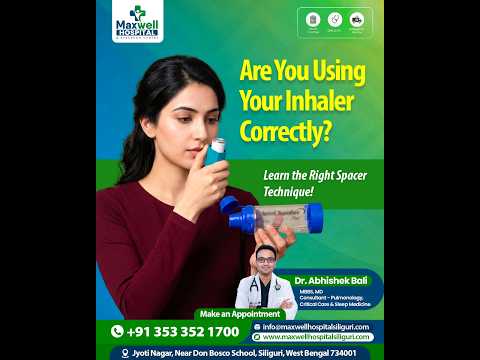
Patient Education: Proper Inhaler Spacer Technique