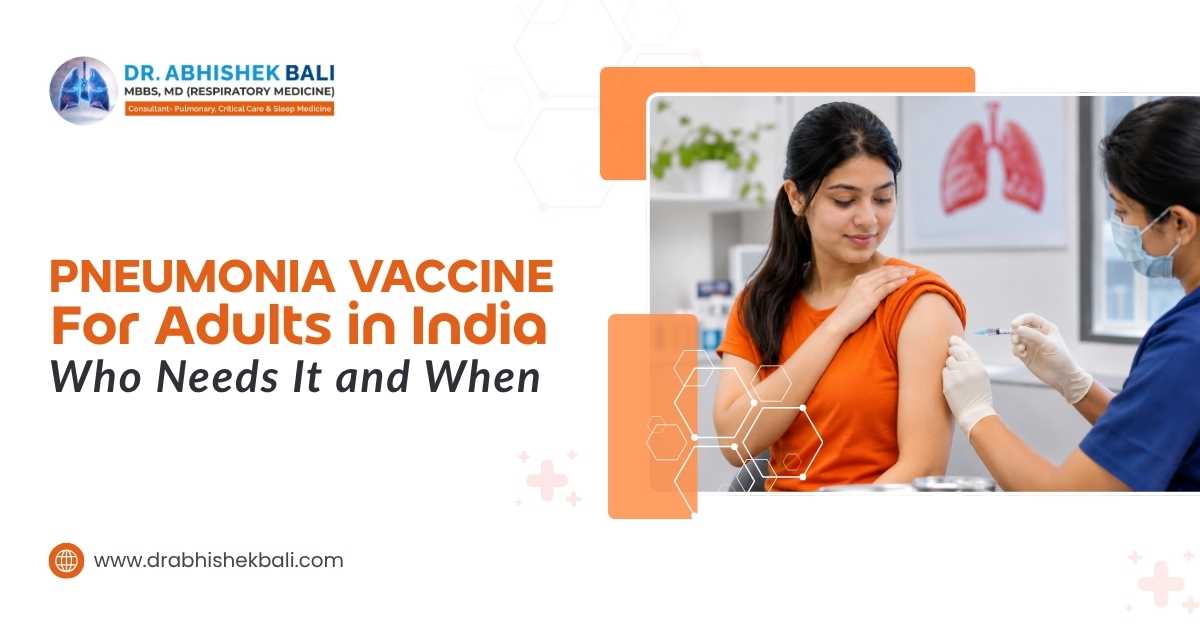
Pneumonia is a lung infection that affects anyone at any age; older folks and those with underlying medical issues are more vulnerable to its complications. The pneumonia vaccine for adults is a preventive measure intended to guard against specific diseases resulting from a bacterium called Streptococcus pneumoniae, or pneumococcus. A chest specialist in Siliguri or any other place might be able to guide you regarding this.
This bacterium may be responsible for bloodstream infections, meningitis, pneumococcal pneumonia, and other conditions. Vaccination is a preventative healthcare in India, where people with compromised immune systems, diabetes, chronic respiratory problems, and older adults may be more susceptible to severe pneumococcal disease.
Pneumonia Vaccination - Overview
The pneumococcal vaccine, often known as the pneumonia vaccine, helps the immune system detect and combat strains of the bacteria Streptococcus pneumoniae.
Numerous infections can result from these microorganisms, including:
- Pneumococcal pneumonia: A lung infection that can result in fever, coughing, chest pain, and trouble breathing.
- Meningitis: An infection of the membranes encircling the brain and spinal cord is known as meningitis.
- Bacteraemia: A bloodstream bacterial infection is known as bacteremia.
- Additional pneumococcal infections: These include several sinus and ear infections.
The likelihood of vaccine-covered illnesses and associated sequelae is low with pneumococcal immunization. However, as pneumonia can also result from viruses, fungi, and other bacteria, it is crucial to realize that it does not prevent all forms of pneumonia.
Why Is the Pneumonia Vaccine Important for Adults in India?
Serious health issues can result from pneumococcal infections, especially in those with underlying medical disorders. Older adults may have a harder time fighting bacterial infections since their immune systems gradually deteriorate with age.
Pneumococcal immunization is important for adult healthcare in India for multiple reasons:
- Age-related immune changes: Severe pneumococcal illness may be more common in older people.
- Chronic health issues: Respiratory diseases, diabetes, and heart disease can raise the risk of complications.
- Respiratory vulnerability: Respiratory infections may have more severe effects on people who already have respiratory concerns.
- Low immune function: People undergoing immunosuppressive medications or cancer therapy may be more susceptible to infection.
For individuals who qualify, vaccination can be a preventive step for them.
Who Needs the Pneumonia Vaccine?
Adults Aged 50 Years and Above
When determining whether a pneumococcal vaccination is necessary, age may be a crucial factor. Elderly people may have more serious consequences and are more prone to infections.
People Living with Diabetes
Diabetes can impair immunity and make a person more vulnerable to infections. Plus, recovery from pneumonia may be more difficult for those with diabetes.
Adults with diabetes, especially those who are younger, may get vaccinated against pneumococcal bacteria under medical supervision.
People with Long-Term Lung Conditions
Pneumococcal infections may be more common in people with pre-existing respiratory problems.
These comprise people who have been diagnosed with:
- COPD stands for chronic obstructive pulmonary disease.
- Persistent bronchitis.
- Specific conditions in asthma.
- Other long-term respiratory problems.
The pneumococcal vaccine should be discussed as part of preventive respiratory care for people with high-risk asthma and COPD.
People with Liver and Heart Conditions
Pneumococcal infection consequences can be made more likely by long-term liver and cardiovascular problems.
Adults who suffer from cardiovascular diseases, such as chronic heart failure, should speak with their doctors about their eligibility for vaccinations.
People with Weakened Immune Systems
People who have weakened immune systems may find it more challenging to combat bacterial infections.
Individuals with the following conditions need special attention:
- HIV infection.
- Nephrotic syndrome or chronic kidney disease.
- Cancer, including malignancies of the blood.
- Organ transplantation.
- Lack of the spleen, either anatomically or functionally.
- Immunosuppressive therapy for several autoimmune diseases.
Alcohol Use Disorders and Smokers
Smoking can weaken the respiratory tract's defenses against illness, and immune system performance can also be affected by excessive alcohol use.
Which Adult Pneumonia Vaccines Are Available?
Pneumococcal conjugate vaccines (PCVs) and pneumococcal polysaccharide vaccines (PPSVs) may be the two key types of pneumococcal vaccinations.
In India, the following adult vaccinations are frequently discussed:
PCV13 (13-valent Pneumococcal Conjugate Vaccine)
PCV13 provides defense against 13 distinct pneumococcal bacterial serotypes. By mixing bacterial polysaccharides with a carrier protein, it triggers an immunological response.
PCV20 (20-valent Pneumococcal Conjugate Vaccine)
Twenty pneumococcal serotypes are covered by PCV20. According to the most recent Indian consensus recommendations, it is an option for adults and can be given as a single dose to those who qualify.
PPSV23 (23-valent Pneumococcal Polysaccharide Vaccine)
Protection against 23 pneumococcal serotypes is provided by PPSV23. To increase protection against other pneumococcal strains, it may be given after PCV13.
Age, medical history, prior vaccinations, and personal risk factors influence the vaccine selection.
When is the Time to Receive the Vaccination Against Pneumonia?
The pneumococcal vaccination is not required for all people during a single season, and eligible people can get it all year long.
However, a few circumstances make vaccine planning especially crucial:
- Adults approaching or over 50 should talk to their doctor about immunization before age-related issues arise.
- Prior to immunosuppressive treatment, eligible patients should ideally finish immunization prior to chemotherapy, transplantation, or other immunosuppressive procedures.
- Vaccination should be discussed during routine consultations for people with diabetes, COPD, heart disease, or renal illness.
- Without waiting for a seasonal outbreak, this vaccination can be scheduled as part of preventive healthcare before times of higher infection exposure.
What Advantages Does the Adult Pneumonia Vaccine Offer?
There are a number of possible health advantages to pneumococcal immunization. This may be especially helpful for older adults and those with underlying medical disorders.
Assists in Preventing Pneumococcal Pneumonia
The vaccine lowers the risk of pneumonia caused by the pneumococcal strains it protects against.
Lowers the Risk of Invasive Pneumococcal Infection
Some pneumococcal infections can penetrate the brain's membranes or enter the bloodstream, and this vaccine may lower the risk.
Encourages Older Adults' Protection
Elderly people may be more susceptible to serious diseases, and as people age, vaccination may play a role in preventive healthcare.
Helps Protect People with Chronic Health Issues
Due to their increased risk of complications, those with diabetes, COPD, cardiovascular disorders, and immune-related conditions may benefit from immunization.
Enhances Respiratory Health
Vaccination can lessen the burden of pneumococcal illness and its related effects by preventing some pneumococcal infections.
Are There Any Precautions or Side Effects?
Pneumococcal immunizations can have minor, transient adverse effects, just as other vaccinations, such as:
- Puffiness, redness, or pain where the injection was made.
- Mild fever.
- Muscle aches.
- Headache.
- Fatigue.
Without any treatment, these symptoms may go away, and even though they are uncommon, severe allergic responses need to be treated right away.
Tell your doctor about any past vaccine allergies, current illness, pregnancy, immune-related illnesses, and medications before getting the shot.
In order to prevent needless doses or intervals, people who have already received PCV13 or PPSV23 should also disclose their immunization information.
How Can Adults Reduce Their Risk of Pneumonia with Vaccination?
A health approach to respiratory health may include pneumococcal immunization. Also, adults can lower their risk of respiratory infections by taking preventative steps.
- Avoid secondhand smoke exposure and smoking.
- Keep your hands clean.
- Control diabetes and other long-term health issues.
- Observe the prescribed guidelines for influenza immunization.
- Keep up a healthy diet and engage in frequent exercise.
If you have a persistent cough, fever, chest pain, or trouble breathing, get medical help.
Final Words
Adults in India who are 50 years of age or older, as well as younger people with medical disorders that raise their risk of pneumococcal infections, should have the pneumonia vaccine if advised by doctors.
Vaccination schedules can be customized based on age, medical history, and prior doses, with options like PCV13, PCV20, and PPSV23. Your healthcare provider will guide you on choosing your vaccine and timing.
Seek medical advice on pneumonia vaccine for adults.
FAQs
1. At what age should adults get the pneumonia vaccine in India?
Pneumococcal immunization may be advised for persons 50 years of age and above, and it may also be necessary for younger adults with certain medical issues. Consult your healthcare provider.
2. Is there only one dosage of the pneumonia vaccine?
PCV20 may be given as a single 0.5 mL dose, and PCV13 and PPSV23 may be administered at a clinically suitable interval on an alternate schedule.
3. Can people with diabetes get the pneumonia vaccine?
Pneumococcal immunization may be advised for adults with diabetes because the condition can raise their risk of infections and complications.
4. Can all forms of pneumonia be prevented by the vaccine?
It does not protect against all bacterial, viral, or fungal causes of pneumonia; rather, it only guards against certain strains of pneumococcal bacteria.
5. Is a booster shot for pneumonia necessary for adults?
A booster is not necessary for everyone, and based on their previous immunization history and medical evaluation, certain high-risk individuals may be eligible for further PPSV23 vaccination. Speak with your doctor, such as a pulmonologist, for guidance.
