

Do you find yourself gasping for air after walking just a few steps? When shortness of breath, an ongoing dry cough, and constant exhaustion begin to disrupt your daily routine, your body is sending you warning signs.
When you recognise these symptoms early, you can get the help you need and prevent health issues from worsening. Spotting these changes early and seeking expert pulmonary fibrosis treatment in Siliguri can help improve your long-term health.
Understanding the Concept of Lung Fibrosis
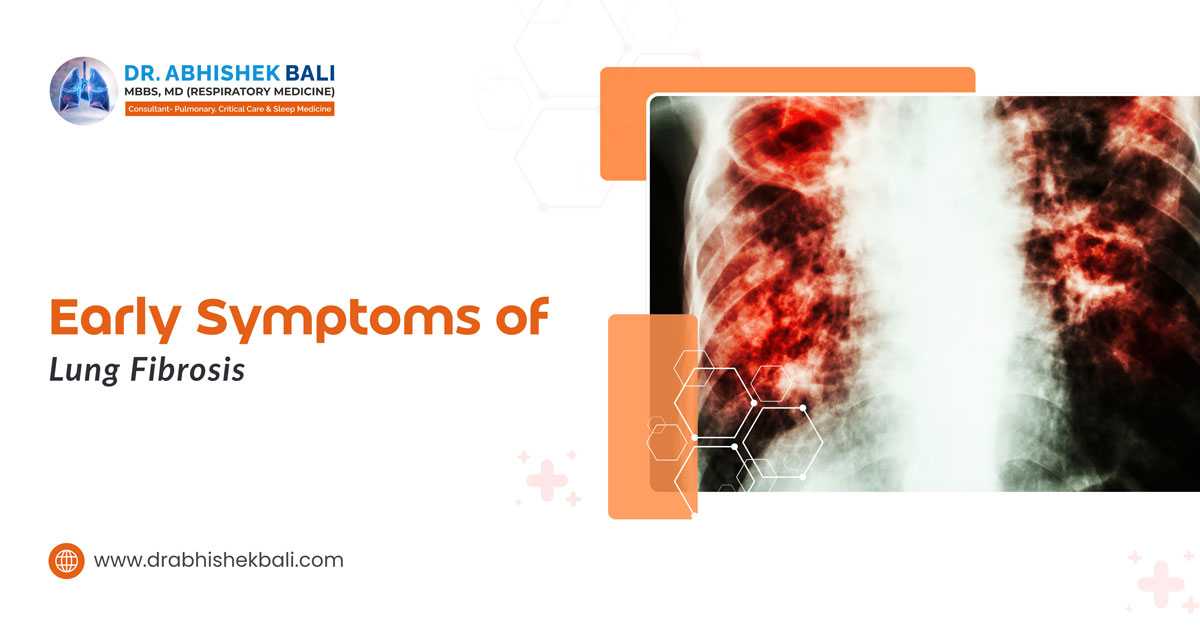
Inside your chest, a healthy respiratory system depends upon a network of delicate, flexible tissues to draw in oxygen. When fibrosis sets in, this tissue undergoes a dangerous transformation, turning thick, stiff, and permanently scarred.
This permanent damage prevents your lungs from expanding properly when you breathe. Since the lungs can no longer stretch, the transfer of vital oxygen into your bloodstream slows down, leaving your entire body starving for oxygen.
Medical Professionals categorize this condition under restrictive lung disease because it changes the tissue structure of the respiratory system. They specifically call it interstitial lung disease when these lung tissues become inflamed.
Permanent scarring makes the lung sacs lose their natural elasticity. When this happens, your lungs cannot hold as much air. This makes simple activities such as walking around the neighborhood much more exhausting than they used to be.
The Subtle Early Symptoms You Must Not Ignore
Persistent Dry Cough
Watch out for a dry cough that does not produce any phlegm or mucus during the day. This specific type of cough usually resists standard over-the-counter cough syrups and continues to bother you for several consecutive weeks.
Patients often mistake this chronic irritation for a lingering seasonal allergy or a mild post-nasal drip condition. You should track how long this symptom lasts since an unexplained cough over a month requires an expert medical opinion.
Shortness of Breath During Routine Activities

You might feel breathless during normal tasks that never used to require any extra physical effort from you in the past. This breathlessness often creeps up slowly, making you believe that you are simply getting older or falling out of good shape.
You lose energy and stamina over time because your lung tissues slowly lose their natural flexibility. You should pay close attention if you catch your breath during simple tasks. This includes everyday activities such as carrying groceries or walking on flat ground.
Constant Tiredness and Exhaustion
You may feel extremely tired all the time during the day. This exhaustion does not improve even after a full night of deep sleep. This continuous tiredness happens because your body is working twice as hard to pull sufficient oxygen into your vital organs.
Low levels of oxygen in the blood can drain your daily physical energy, leaving you feeling completely wiped out. You should never dismiss constant exhaustion as mere stress when it accompanies even mild breathing discomfort during your normal routine.
Gradual and Unintentional Weight Loss
You might notice you are losing weight even though you have not made any changes to your diet. This unexpected weight loss occurs because your body uses up a massive amount of calories just to breathe.
When you face breathing problems for a long time, it may disrupt your metabolism and gradually reduce your appetite. You should consult a doctor if you lose a lot of weight without changing your diet or lifestyle.
Tightness and Discomfort in the Chest
You could feel a sense of heaviness or mild ache across your chest when you take a deep breath. This discomfort makes you feel restricted whenever you do any intense physical activity.
If this condition is left untreated for a long time, it may cause your lung tissues to become stiff. This causes strain on surrounding chest muscles, which creates the uncomfortable feeling. You should keep a note when such sensations occur so that you can provide the details to your doctor later.
Risk Factors and Common Causes
| Risk Factor Category | Specific Contributing Elements | Long-Term Health Impact |
| Environmental Hazards | Breathing in dust from grains, sand, or bird droppings | Causes inflammation and irritation inside the lungs |
| Medical Treatments | Radiation treatments, certain cancer medicines, or specific heart medications | Causes unintended damage to healthy lung cells |
| Other illnesses | Autoimmune diseases, in which the body mistakenly attacks its own tissues | Forces the body to create permanent scarring inside organs |
| Everyday Habits | Smoking cigarettes for many years or living near industrial air pollution | Speeds up the breakdown of healthy lung areas |
Identifying these specific risk factors early can help you prevent further damage to your respiratory system. Your genes can also affect how your body reacts to environmental triggers.
If you experience issues, you should discuss your work history with an interstitial lung disease specialist in Siliguri. They can help you uncover hidden exposures that might be causing the problem.
How Medical Professionals Diagnose the Condition
When you visit a hospital for your breathing problems, the specialist does a detailed evaluation process. Your doctor will likely start by listening to your lungs with a stethoscope. This is done to check for unusual, crackling sounds in your chest when you breathe.
These distinct sounds, which resemble the peeling apart of Velcro, often indicate the presence of thick scar tissue. You will undergo specific diagnostic tests to confirm what is the condition of your lungs.
You will probably need a high-resolution computed tomography scan, which provides detailed images of your internal lung tissue layers. Your medical team will also request pulmonary function tests. These tests measure exactly how much air your lungs can hold.
These precise measurements help doctors determine the exact stage of your condition and plan your medical treatment. You might need to consult a dedicated lung specialist in Siliguri to get an accurate diagnosis and a management plan.
How Fast Does Lung Fibrosis Progress?
The progression of lung fibrosis varies from person to person. While some individuals experience a slow decline in lung function over many years, others may notice symptoms worsening much more quickly.
Slow Progression
In some cases, lung fibrosis develops gradually. Symptoms such as mild breathlessness and a dry cough may remain stable for several years with proper monitoring and treatment. Many patients continue their daily activities with minimal limitations during this stage.
Moderate Progression
Some patients experience a steady worsening of symptoms over time. Shortness of breath may become more noticeable during routine activities, and fatigue can start affecting daily life. Regular medical follow-ups are important to track changes and adjust treatment plans.
Rapid Progression
In certain cases, lung fibrosis can progress quickly within months. Breathing difficulties may worsen significantly, making simple tasks challenging. Early diagnosis and timely treatment are essential to help slow disease progression and preserve lung function for as long as possible.
Can Lung Fibrosis Be Prevented?

While not all cases of lung fibrosis can be prevented, certain lifestyle changes can help lower the risk of lung damage and protect your respiratory health.
Quitting smoking is one of the most important steps you can take, as tobacco smoke can irritate and damage lung tissue over time. If your work involves exposure to dust, chemicals, or other airborne particles, wearing protective masks can help reduce harmful inhalation.
Following workplace safety guidelines and using proper protective equipment can also minimize long-term lung injury. Additionally, limiting exposure to air pollution whenever possible may help reduce irritation and inflammation in the lungs.
Taking these preventive measures can support healthier lungs and may lower the risk of developing respiratory complications in the future.
Essential Lifestyle Adjustments for Lung Health
To proactively protect your health, you must prioritize daily habits that minimize exposure to pollutants and support lung capacity. Giving up smoking tobacco products is an effective way to reverse the inflammation of your airways and reduce chronic breathing difficulties.
You should also focus on having a balanced, nutrient-rich diet so your body has enough energy needed for breathing. You can also do easy, low-impact exercise, like gentle walking. This keeps your heart and body strong without putting excess stress on your scarred lungs.
Make sure to get your yearly flu shots and recommended pneumococcal vaccines to shield your system from infections.
Why Should You Intervene at the Earliest
When lungs cannot heal themselves, permanent scar tissue sets in. Seeking medical advice when you notice the very first sign of breathing trouble gives you access to treatments that protect remaining tissue.
Delaying your medical treatment lets the silent scarring process continue, damaging healthy parts of your lungs unchecked. You should schedule a medical checkup the moment you notice a persistent, dry cough.
If you are seeking comprehensive and personalized respiratory care, you can schedule a consultation with Dr. Abhishek Bali. He offers expert guidance and an advanced treatment plan tailored specifically to your respiratory health needs.
Final Thoughts
Recognising the early signs of breathing problems enables you to make swift decisions and seek timely medical intervention. Finding expert advice for pulmonary fibrosis treatment in Siliguri or a place of your choice ensures you receive the specialized care needed to manage this condition effectively.
Book a consultation with us or a trusted pulmonologist near you to take proactive steps toward protecting your long-term lung health.
Medically reviewed by Dr. Abhishek Bali, Pulmonologist and Respiratory Specialist in Siliguri.
Medical Disclaimer: This article is intended for educational purposes only and should not replace professional medical advice, diagnosis, or treatment.
Comments (0)
